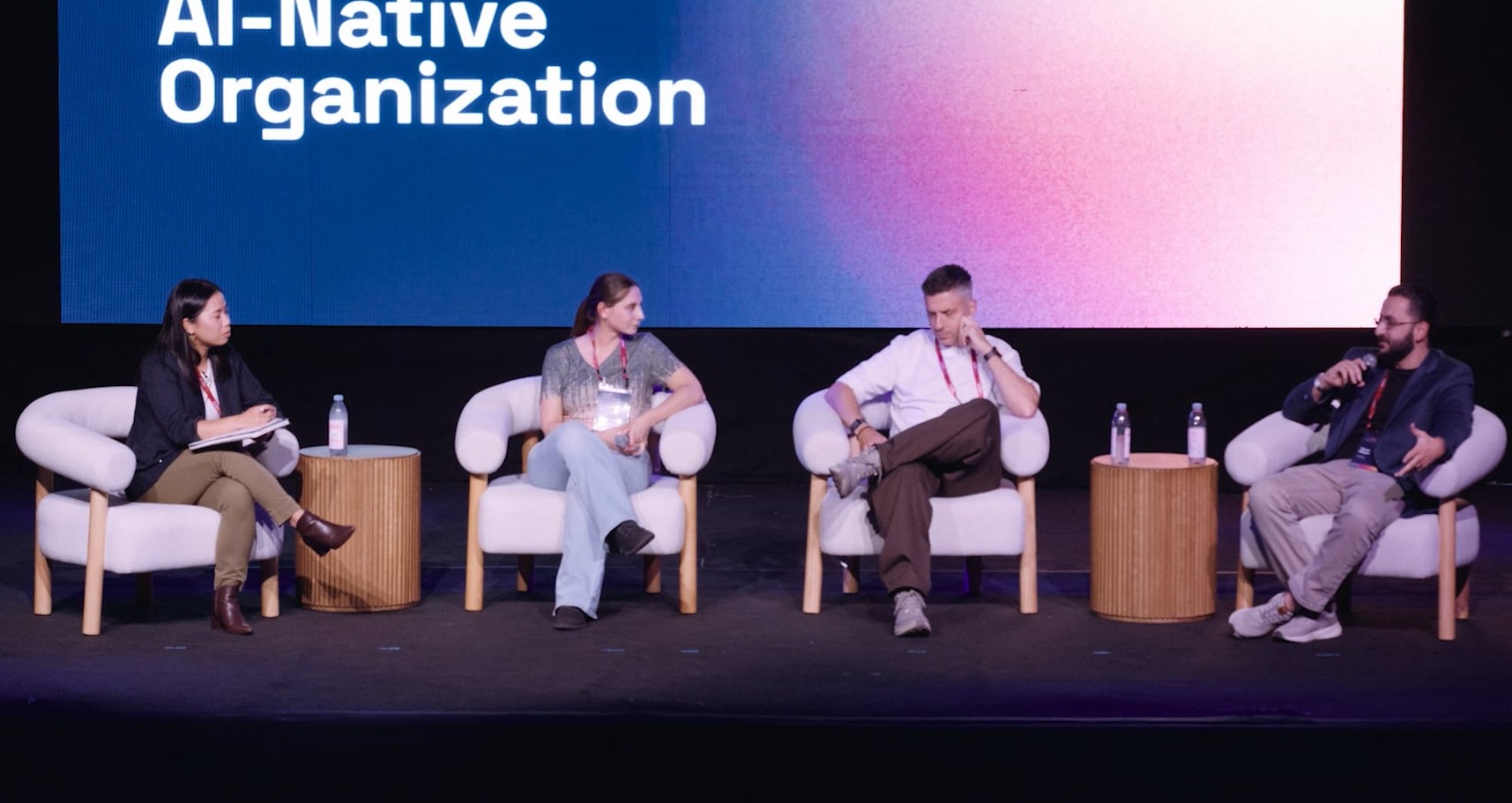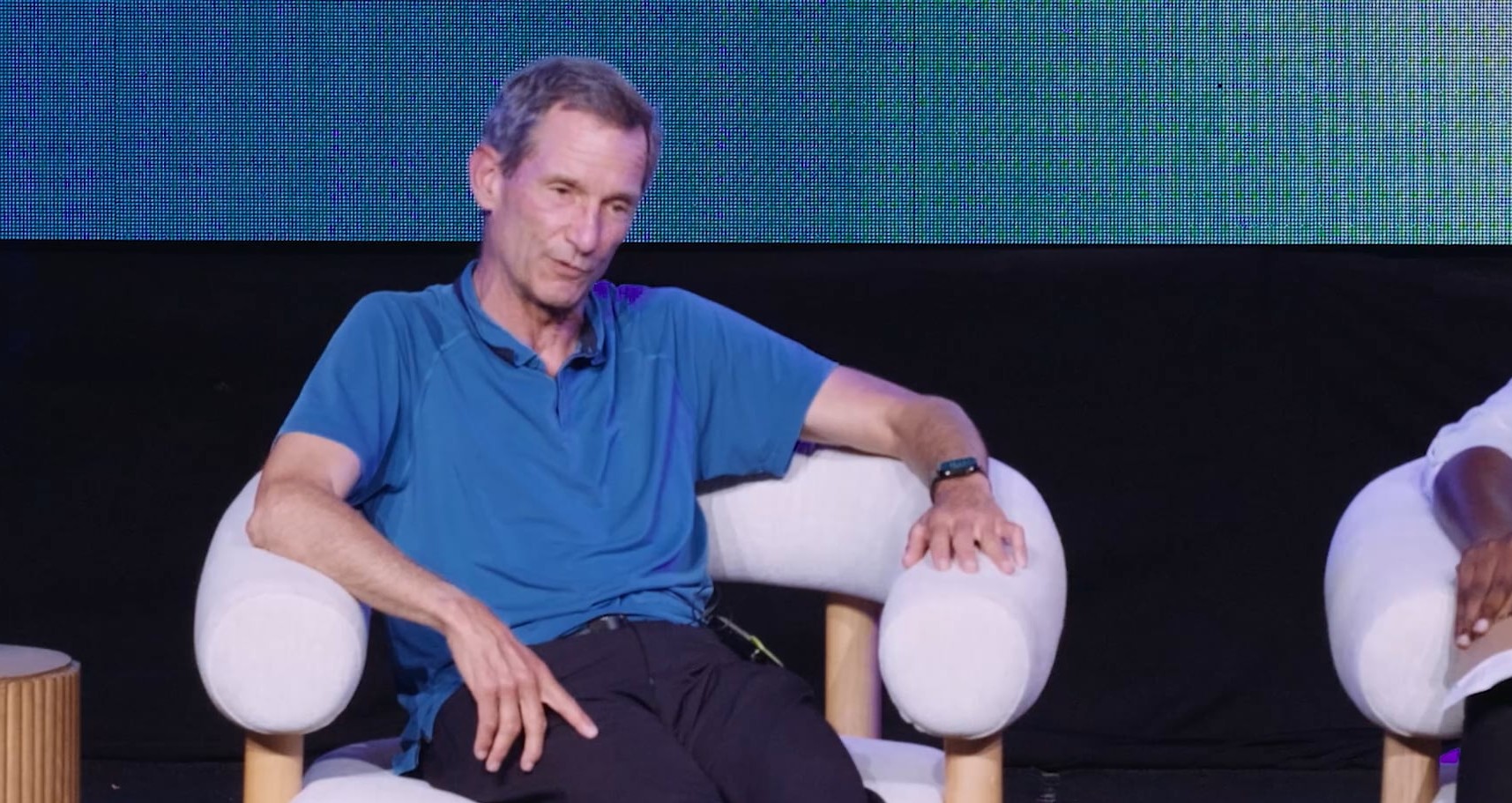
Whitnie Narcisse moderated a conversation with Matt Stephenson, who leads tech talent at Bain Capital Ventures, and Jose Cong, a talent leader whose career runs from Nvidia and Apple to Netscape, Google and now Airbnb (speaking for himself, not the company). The topic was the new talent playbook for AI companies. The short answer: there isn’t one yet.
Recruiting finally has a seat at the table. Jose said recruiting has moved from “help me hire” to business partner, because nobody knows which roles will exist or which profiles AI will replace. Matt sees founders building internal talent teams right after their Series A, with a founding recruiter often in place before employee 20.
Plan for an hourglass, not a pyramid. Jose expects org charts to flex up and down with need. His team works with HR and product leaders on a 10-year view: where the skill gaps are, when roles expire and who can be redeployed before going to market.
Measure quality, not cosmetic metrics. Instead of time and cost per hire, Jose asks one question at 3, 6 and 9 months: is this person better than we thought? Then the team amplifies, mentors or separates quickly.
The hot role is the forward-deployed engineer. Matt defines it as a software engineer who can talk to customers and get the product in, and said some founders now book FDEs as cost of goods. He also sees role compression as engineers and designers take on more product work.
Comp is the Wild West. Jose described a founding-employee offer of $125,000 and 2.5% losing to competing offers of $350,000. Matt is seeing new grads over $200,000. His advice: if you can’t win on cash, win on conviction and time with the team.
The human touch still wins. Matt said AI agents now filter inboxes and open rates are falling, while the densest teams still hire 60% to 80% through referrals. Jose took 10 referrals who had said no, invited each to coffee, and said 8 are now in late-stage interviews.
Jose’s advice on AI: don’t use it to get answers. Use it to ask better questions.