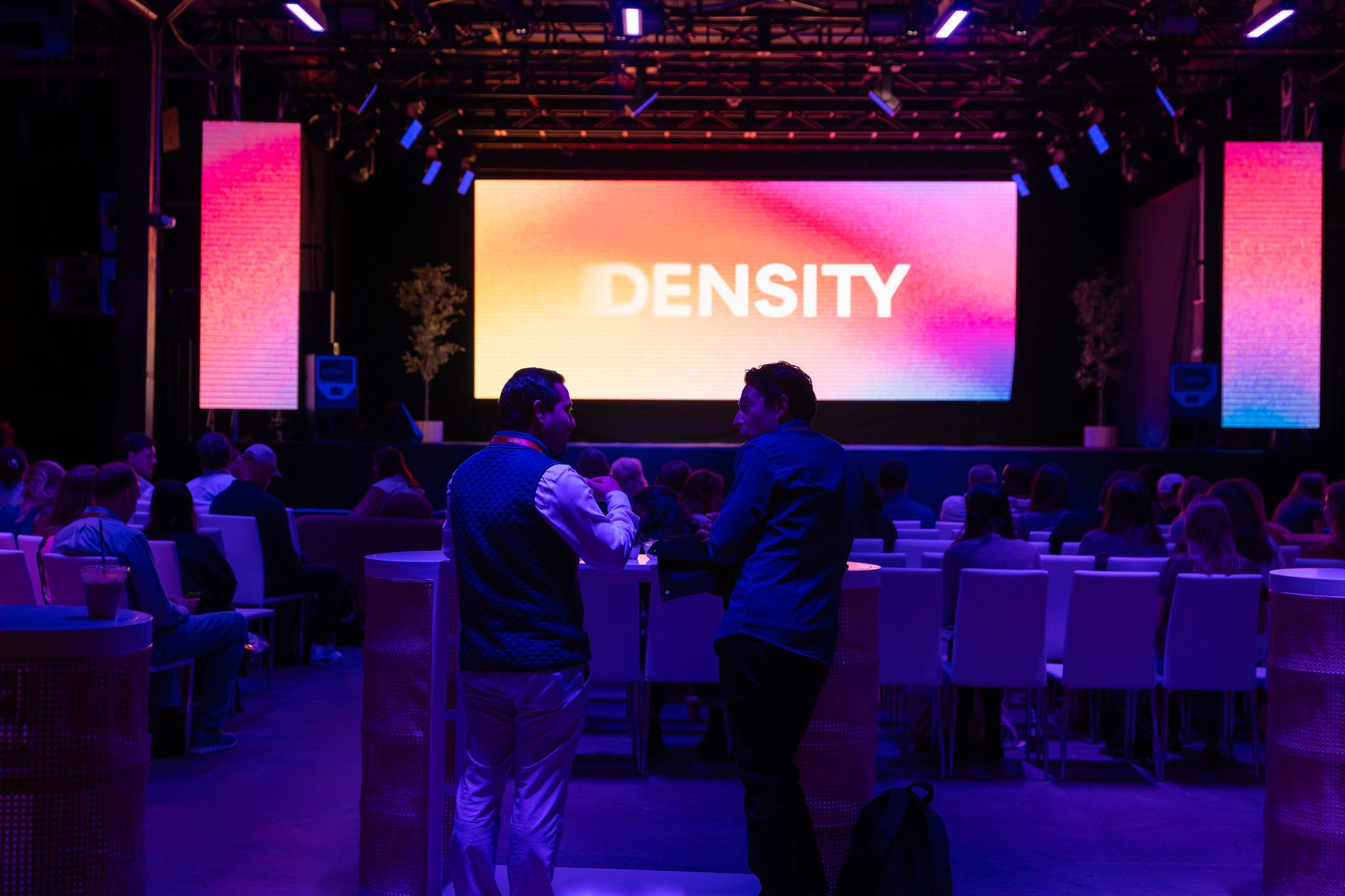
Density Summit San Francisco
Watch every session from Density San Francisco 2026: talent leaders, founders and investors on building teams in the AI era.

Watch every session from Density San Francisco 2026: talent leaders, founders and investors on building teams in the AI era.
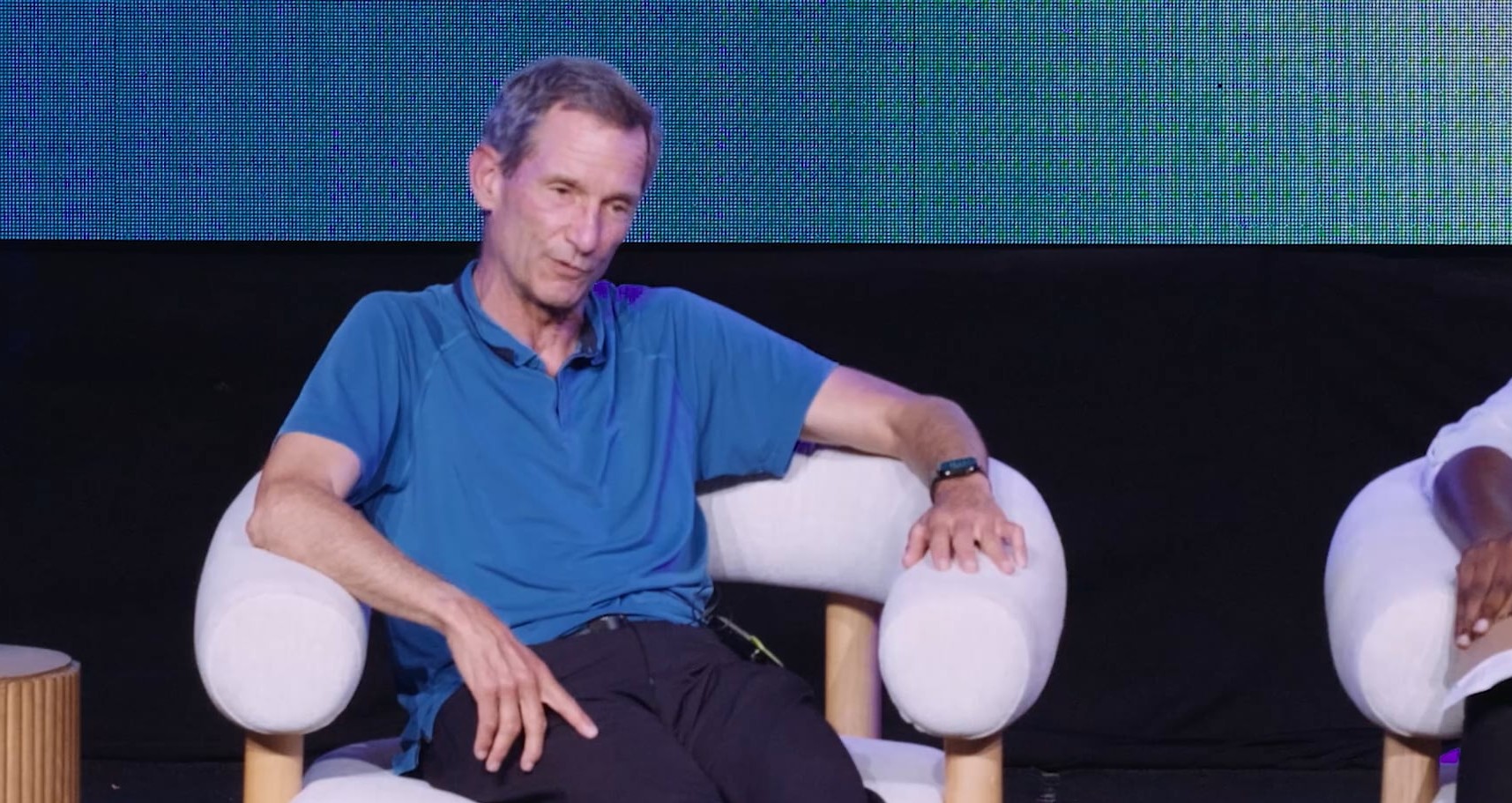
From Density 2026: Jeff Jordan (Andreessen Horowitz) on building teams over all-star rosters, why every exec should mentally resign each year, and how you get the culture you deserve.
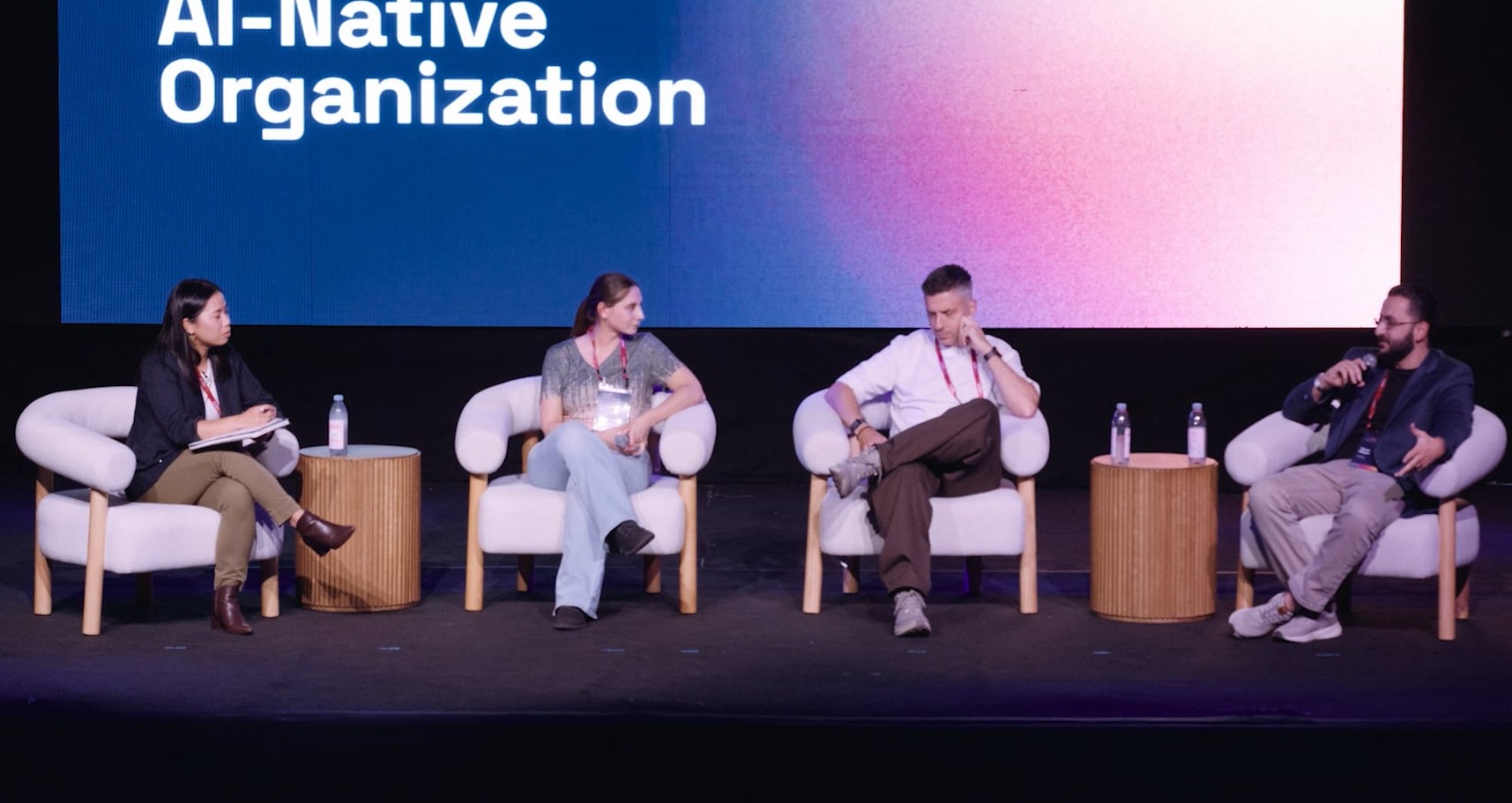
From Density 2026: Tigran Sloyan (CodeSignal), Dan Pupius (The General Partnership) and Maria Kazandjieva (Figma) on how AI is reshaping engineering teams, managers and who thrives.
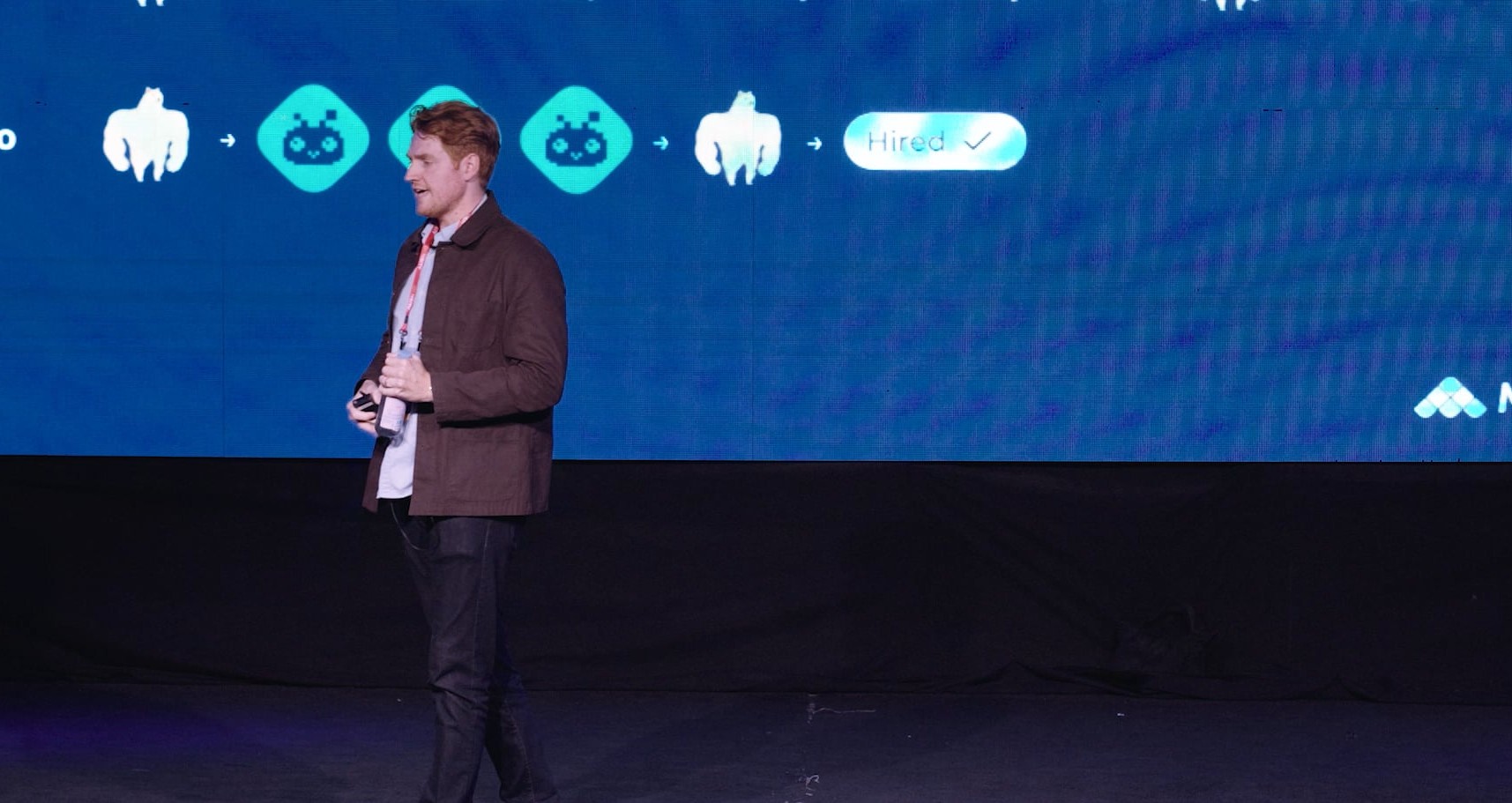
From Density 2026: Siadhal Magos (Metaview) on moving past AI adoption to “less human, more loops,” and how agents take the waiting out of hiring.
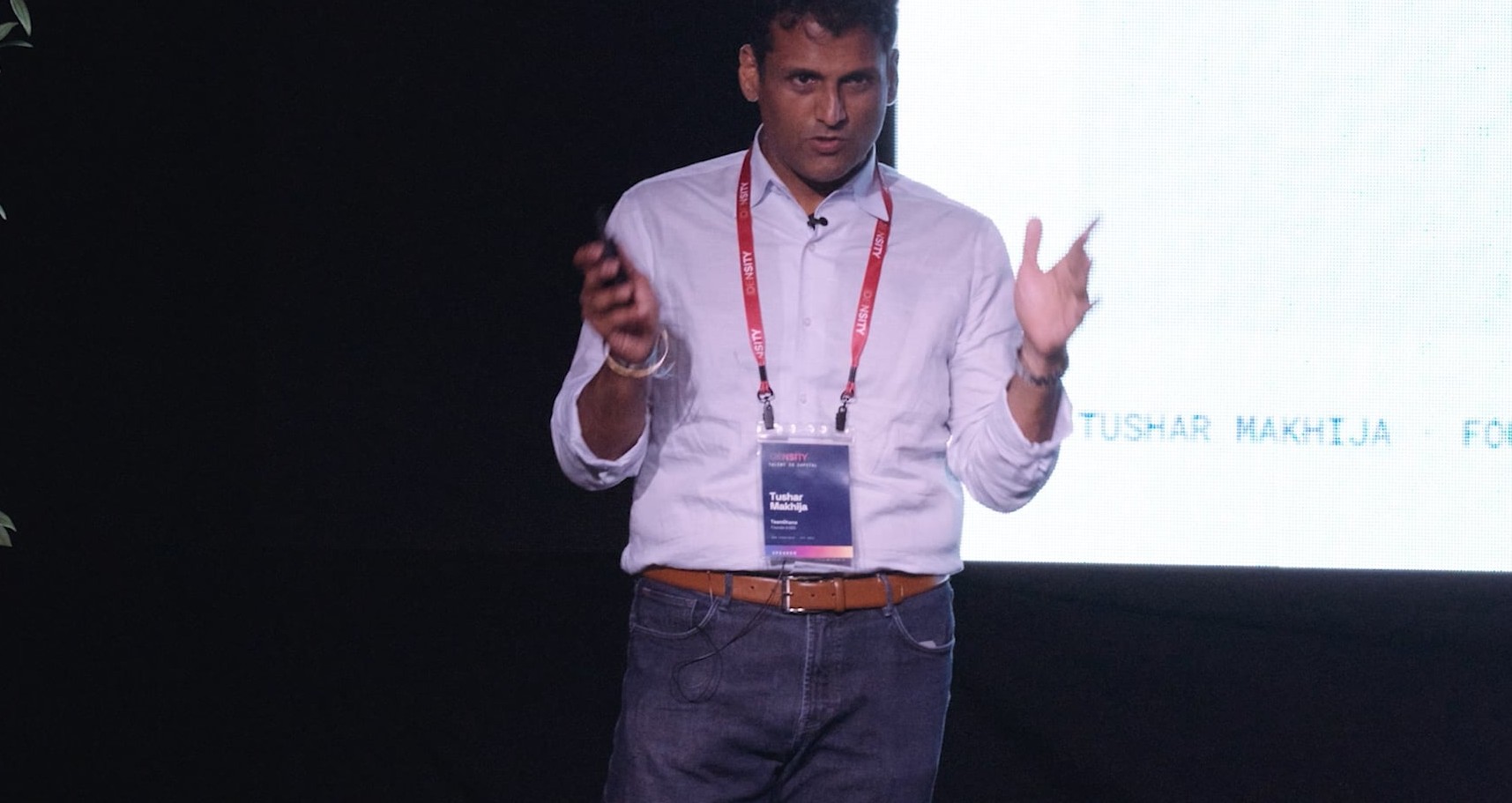
From Density 2026: Tushar Makhija (TeamOhana) on why AI spend is coming out of payroll, and why HR and talent need to own the plan for a workforce of people and agents.
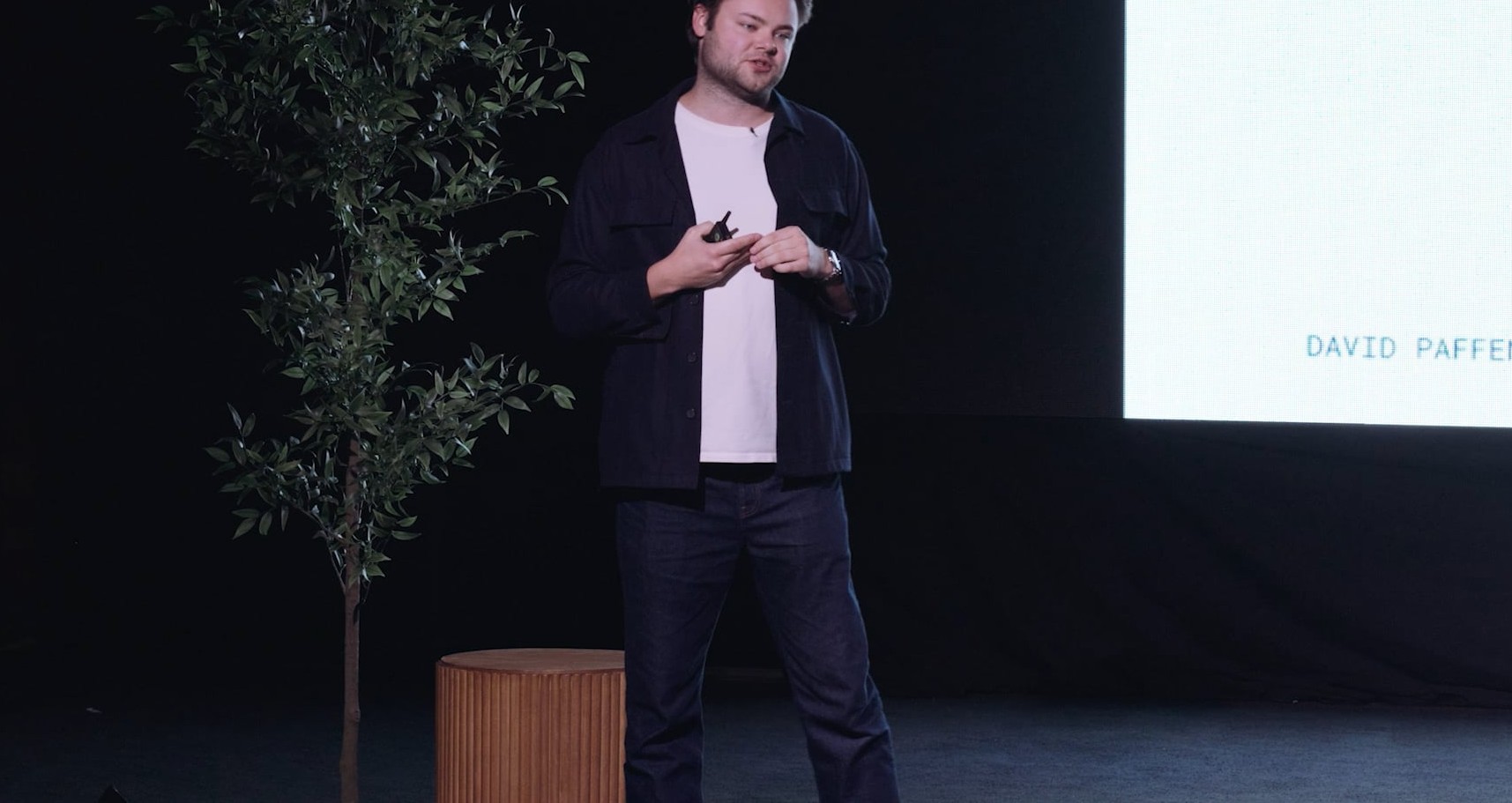
From Density 2026: David Paffenholz (Juicebox) on why AI makes an executive-search process possible for every role, and why recruiters become advisors paid for judgment.
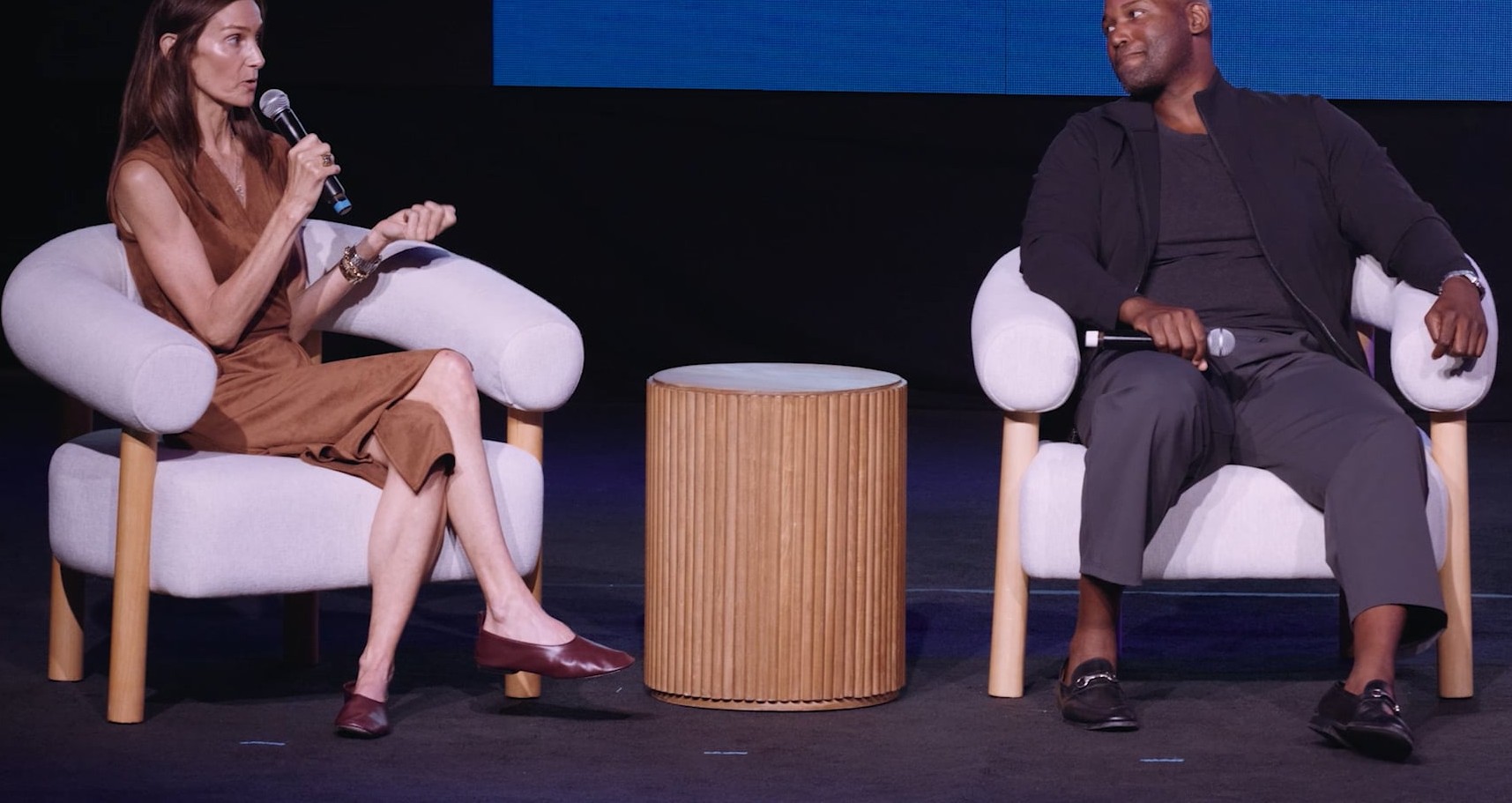
From Density 2026: Reggie Williams (Sequoia), Beth Scheer (Theory Ventures) and Lisa Campbell (Town) on hiring from the first employee to 100, and why most early mistakes are over-hiring.
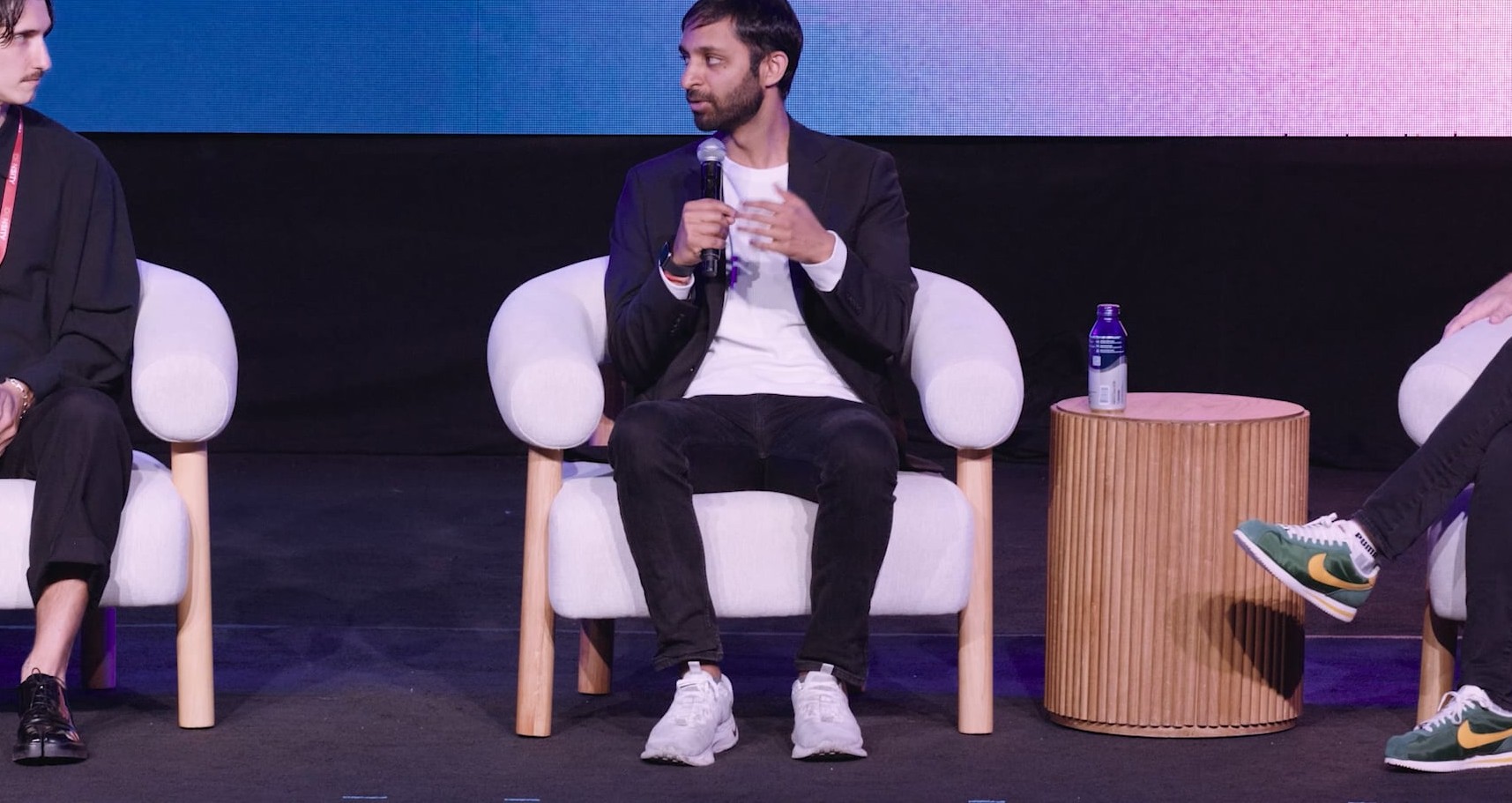
From Density 2026: Arnav Mishra (Doss), Jeff Hunter (Talentism) and Trevor Phillipi (Meta) on hiring for judgment, wider spans of control and the shift from memos to demos.
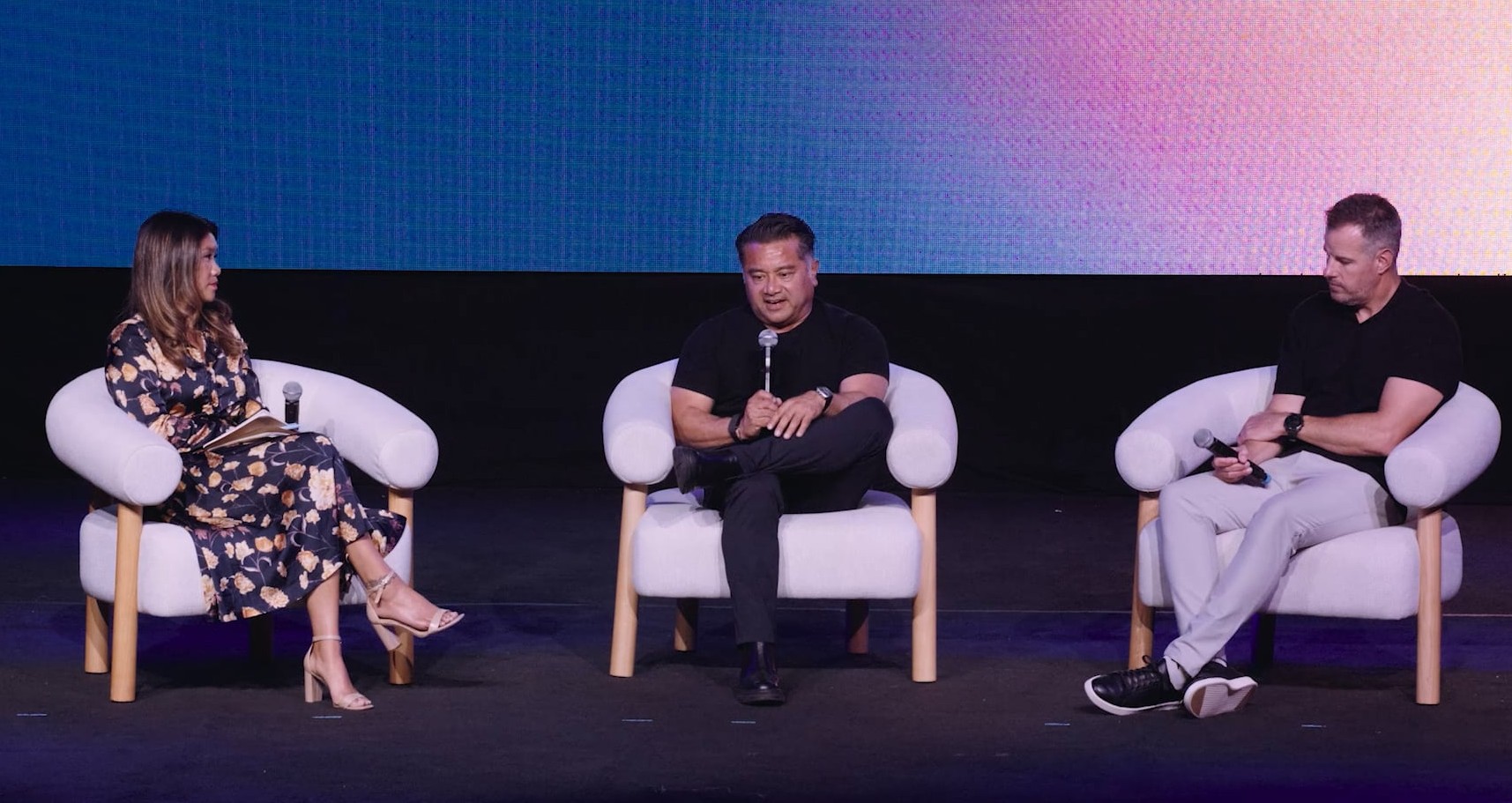
From Density 2026: Matt Stephenson (Bain Capital Ventures) and Jose Cong on why recruiting finally has a seat at the table, what AI companies pay now, and why the human touch still wins.
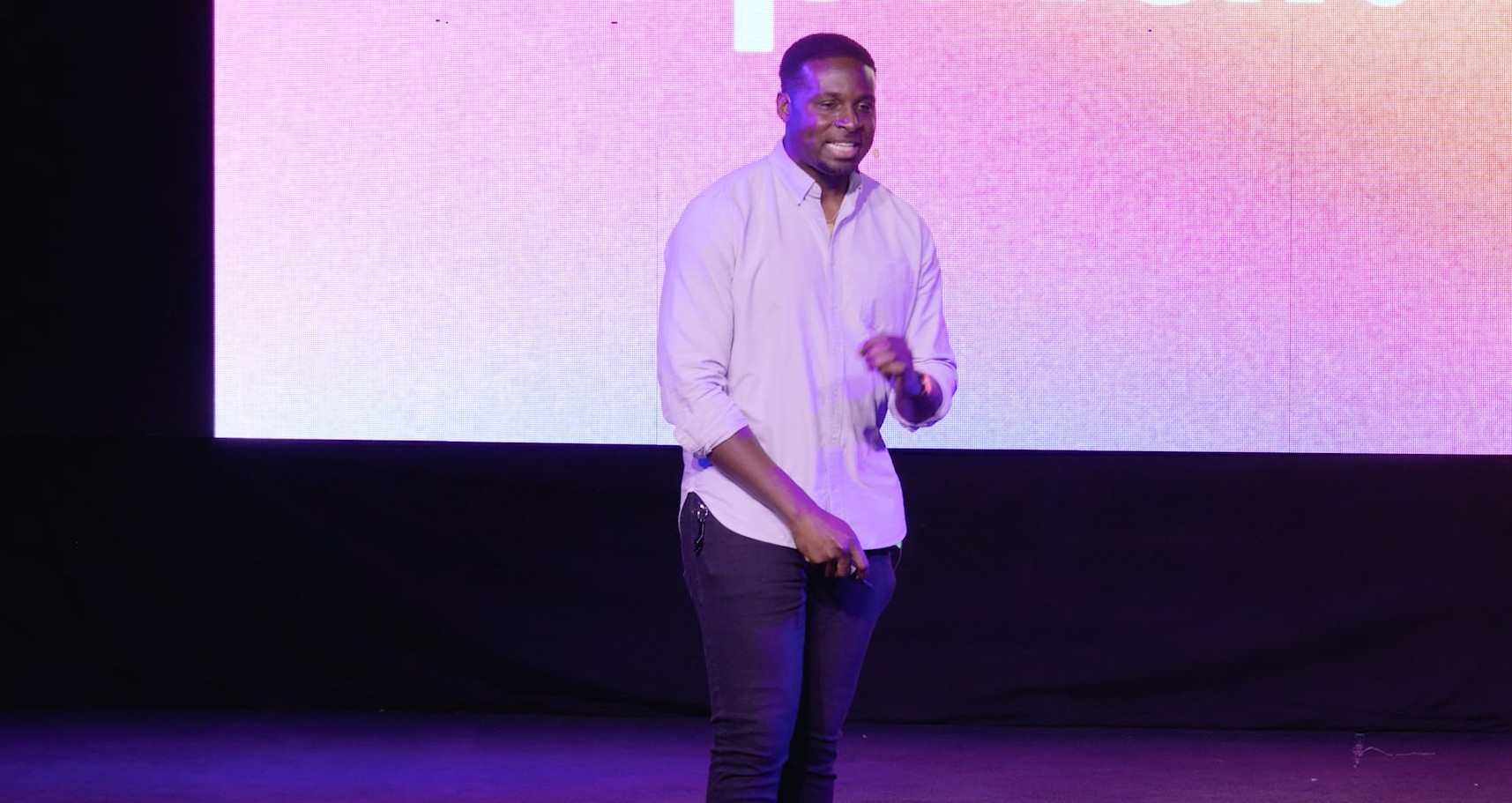
From Density 2026: Wahab Owolabi (OneReq) opens the day on why talent is capital, and why the people who allocate it are the ones companies can’t run without.
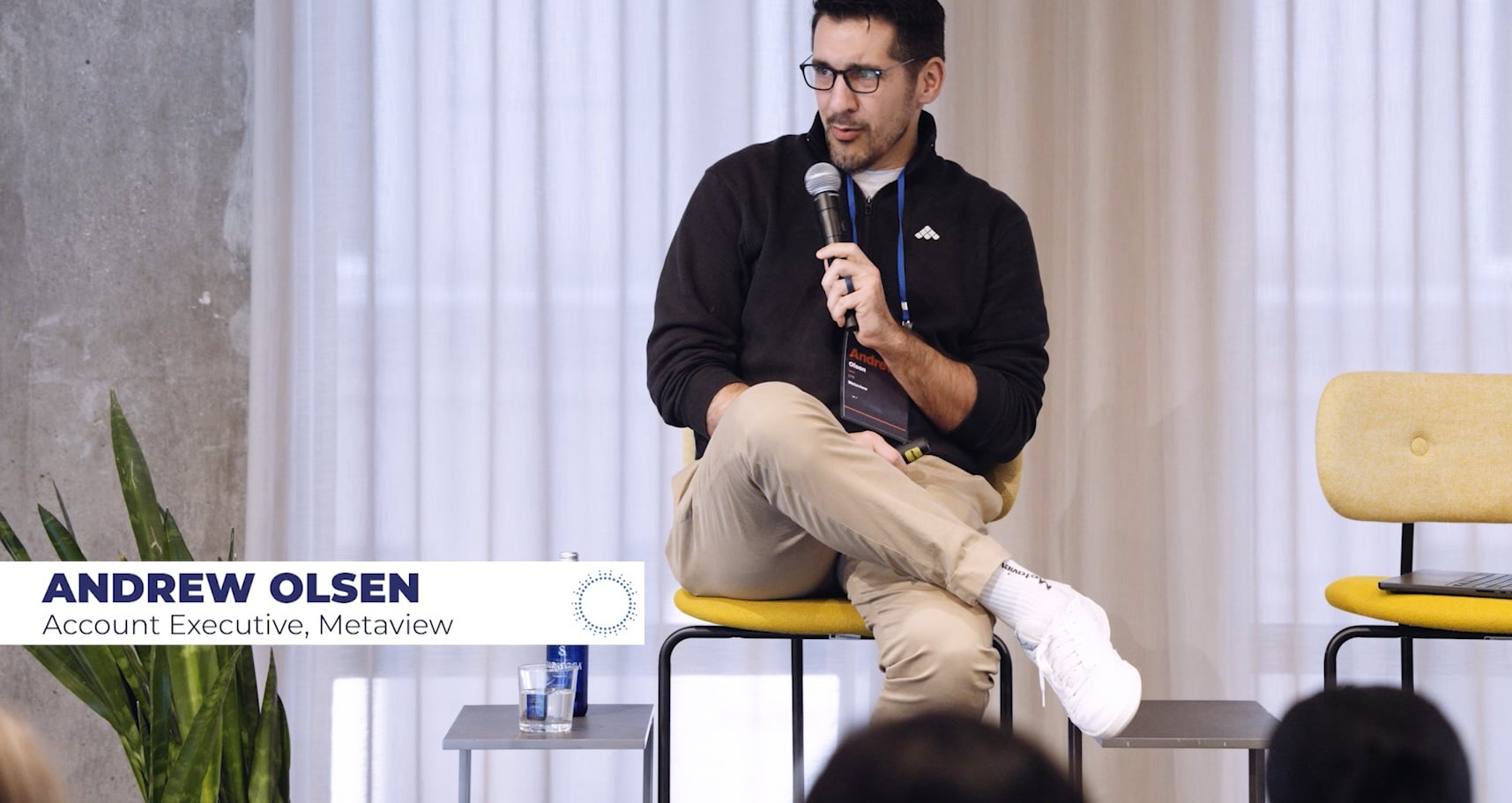
From RecOps Con 2026: Andrew Olsen (Metaview) on why individual AI gains don’t speed up hiring, and how agents can take the waiting out of the whole funnel.
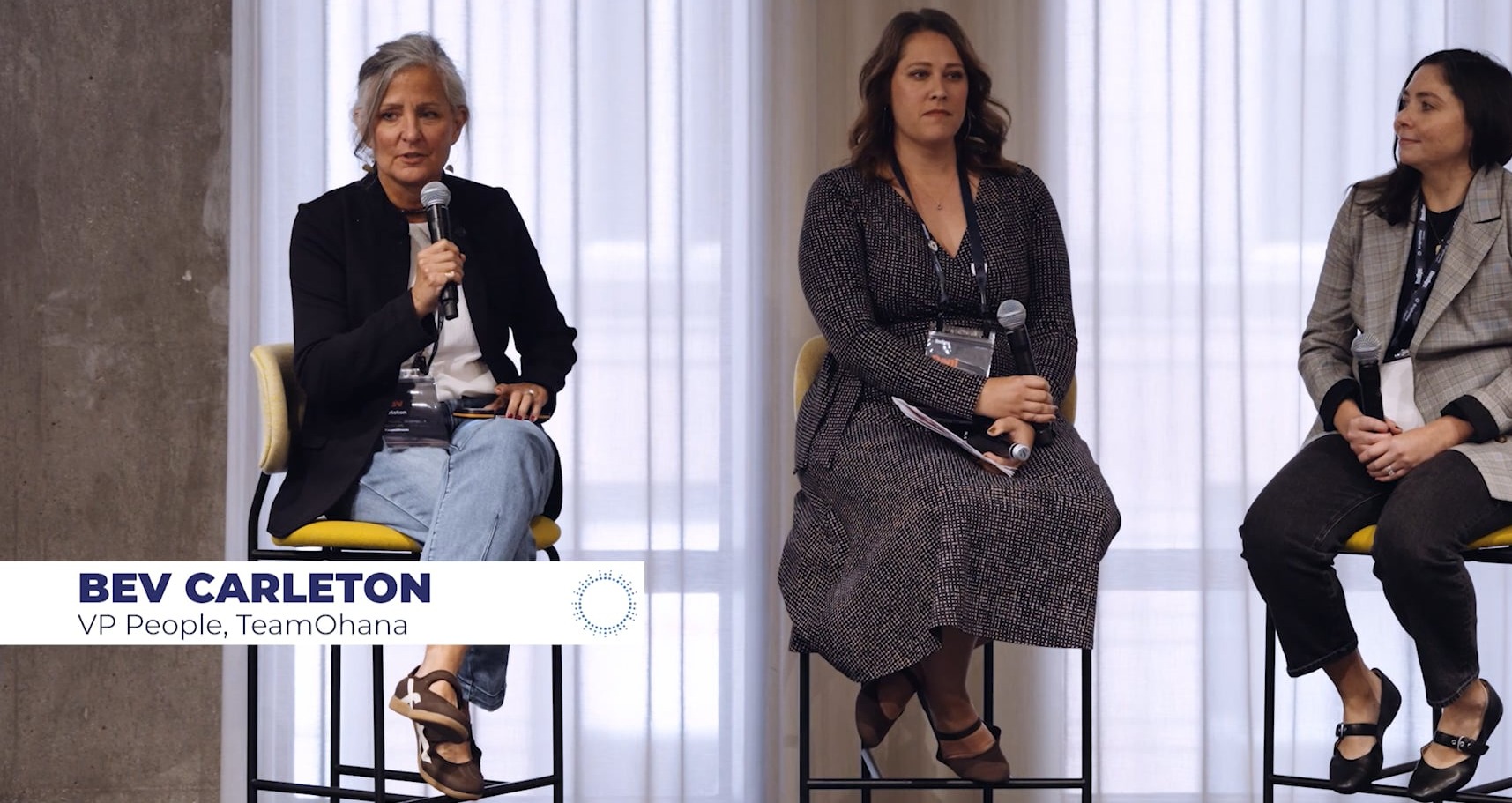
From RecOps Con 2026: Bev Carleton (TeamOhana), Dani French (Everpure) and Amy Amato (Sprout Social) on moving workforce planning out of spreadsheets and making finance your closest partner.
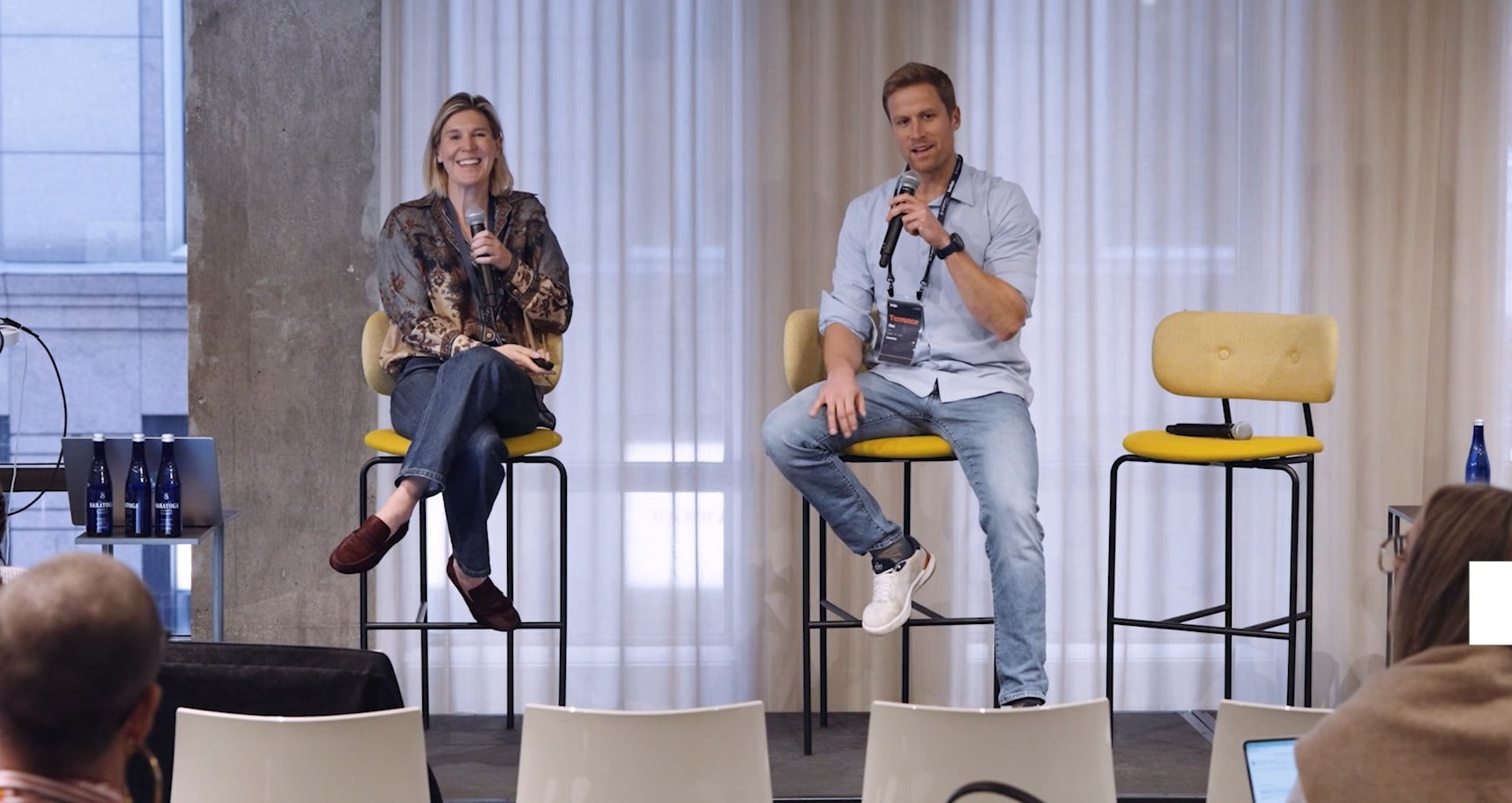
From RecOps Con 2026: Catherine Hill and Terrence Fox (CoderPad) on bringing structured, AI-aware skills assessment to sales, marketing and every other non-engineering role.
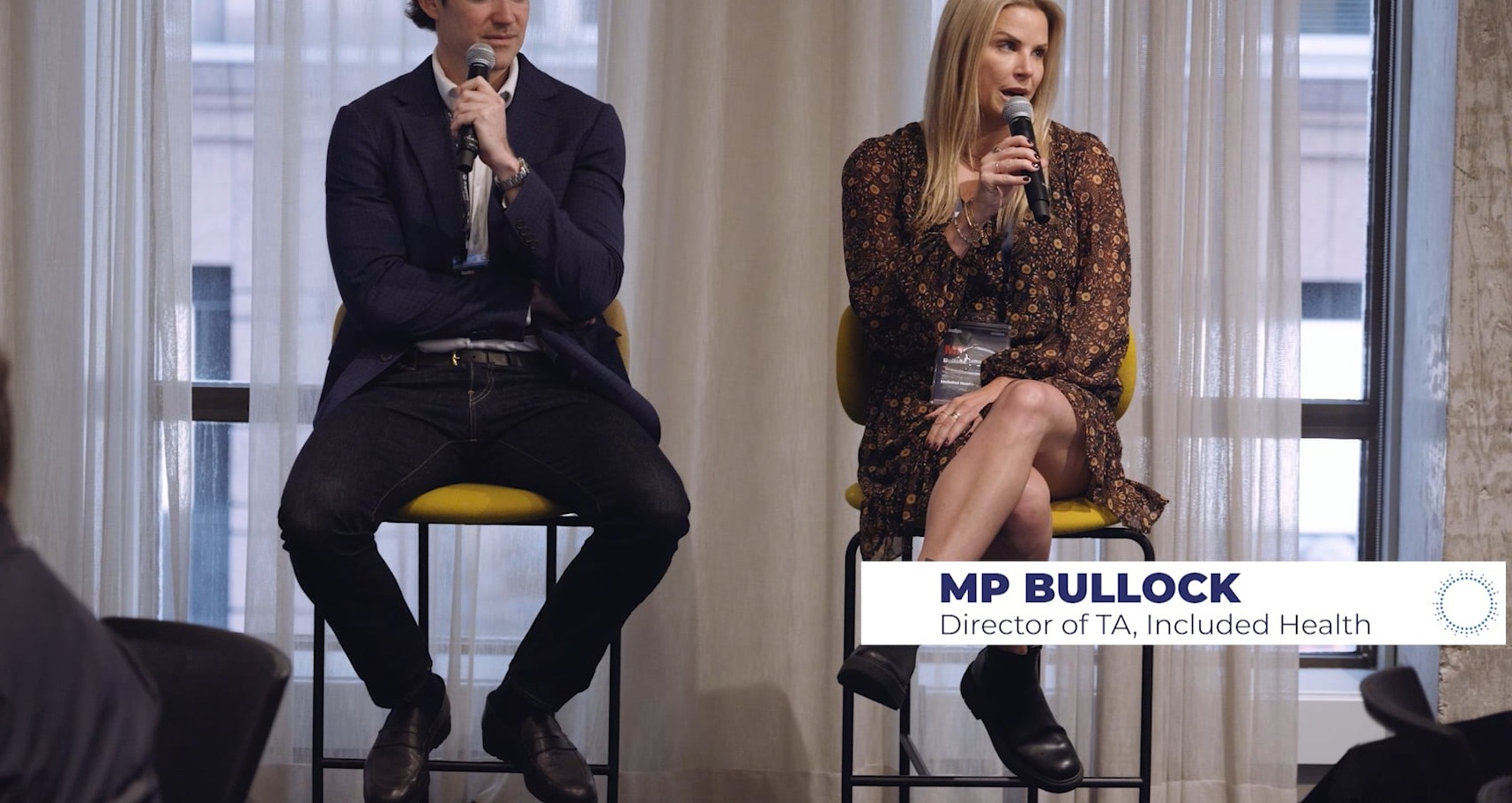
From RecOps Con 2026: MP Bullock (Included Health) and Oliver Stephenson (BrightHire) on taking AI screening interviews from a 2-week pilot to a running program in 90 days.
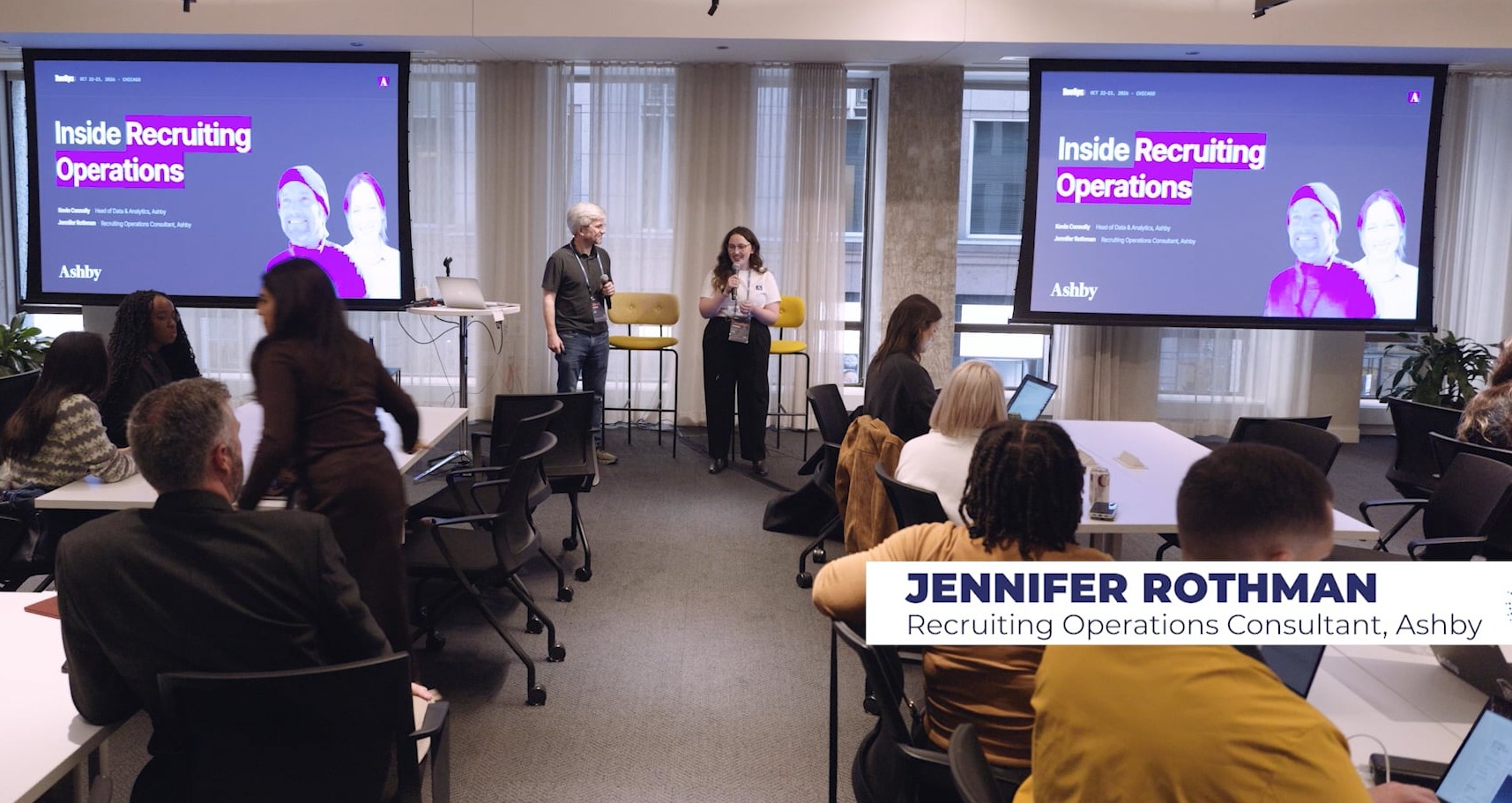
From RecOps Con 2026: Ashby’s Kevin Connolly and Jennifer Rothman share benchmarks from more than 50 million applications on time to fill, referrals and candidate experience.
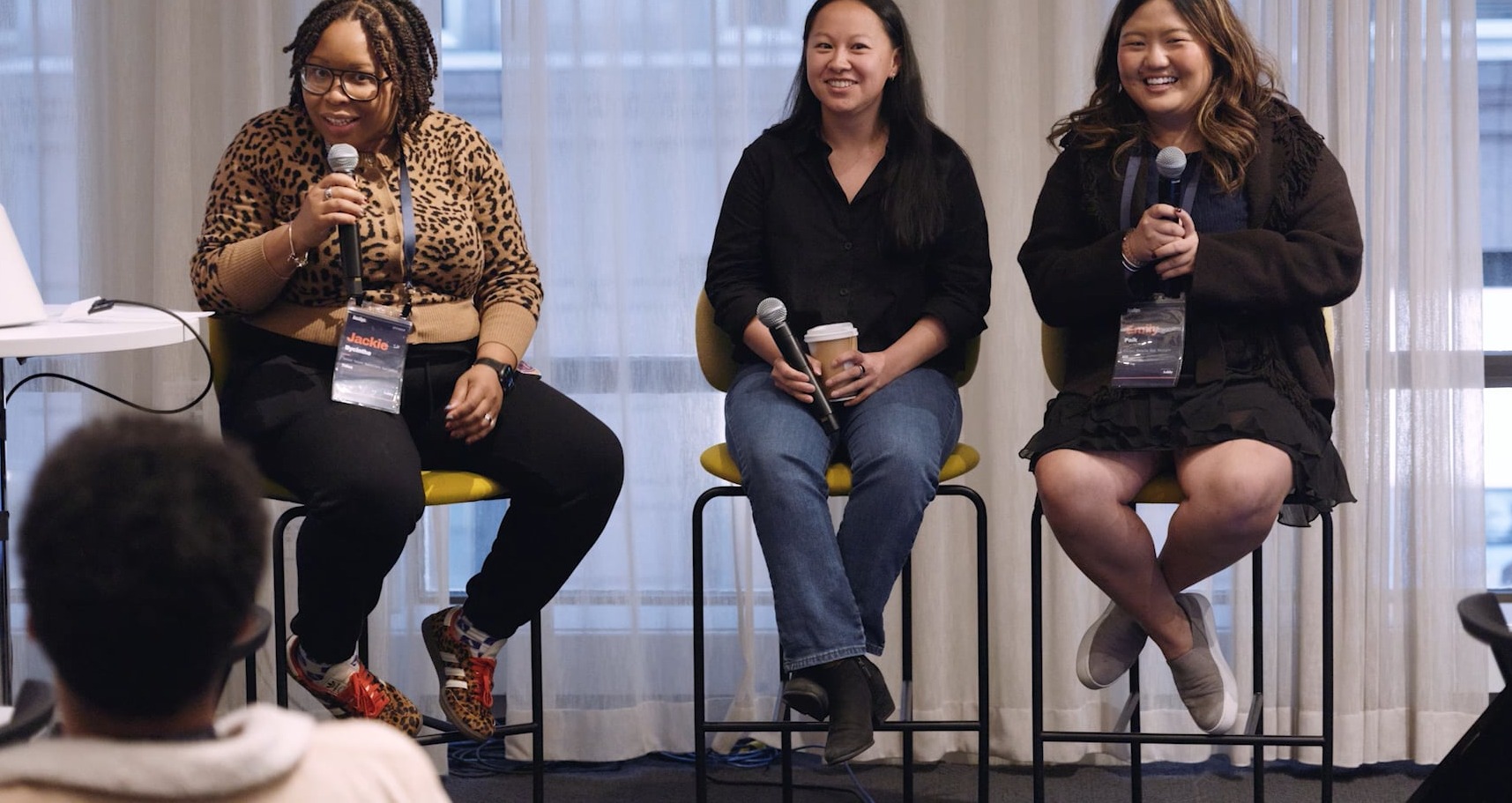
From RecOps Con 2026: Jackie Bycinthe (Tides), Maia Miller (Teamworks) and Emily Paik (Kit) on running RecOps solo, and the outside community that makes it possible.

From RecOps Con 2026: Valerie Keller (CodeSignal) on why resumes are a weaker signal than ever, and how to gather real skills evidence earlier without taking humans out of the decision.
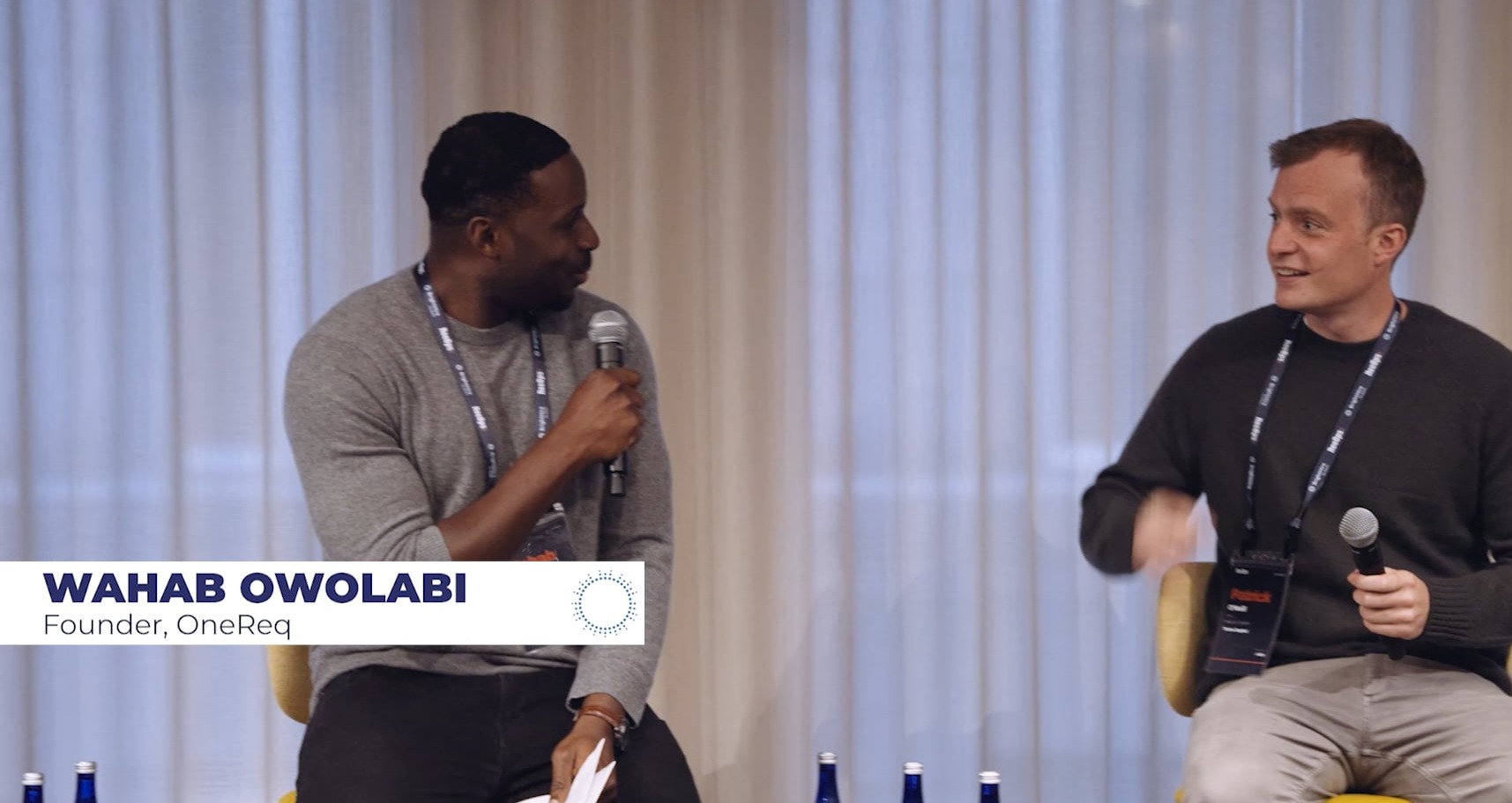
From RecOps Con 2026: Patrick O’Neill (Thrive Capital) joins Wahab Owolabi to open the conference with what he’s seeing across recruiting teams, from incubations to companies the size of Stripe and OpenAI.
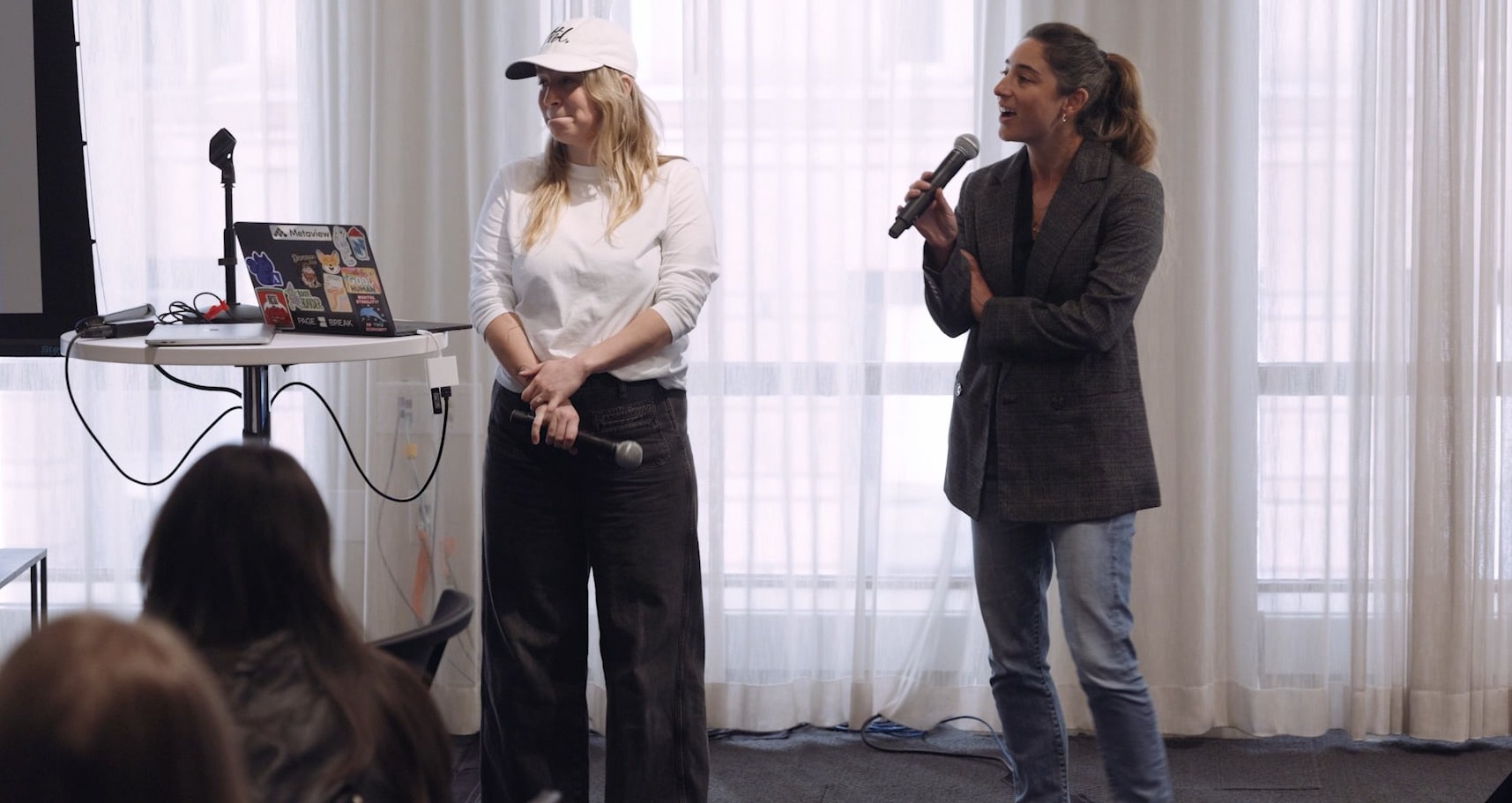
From RecOps Con 2026: Allison Slater Rasch and Katie Wagner (Talent by Design Collective) on how AI is reshaping recruiting roles and capacity models.
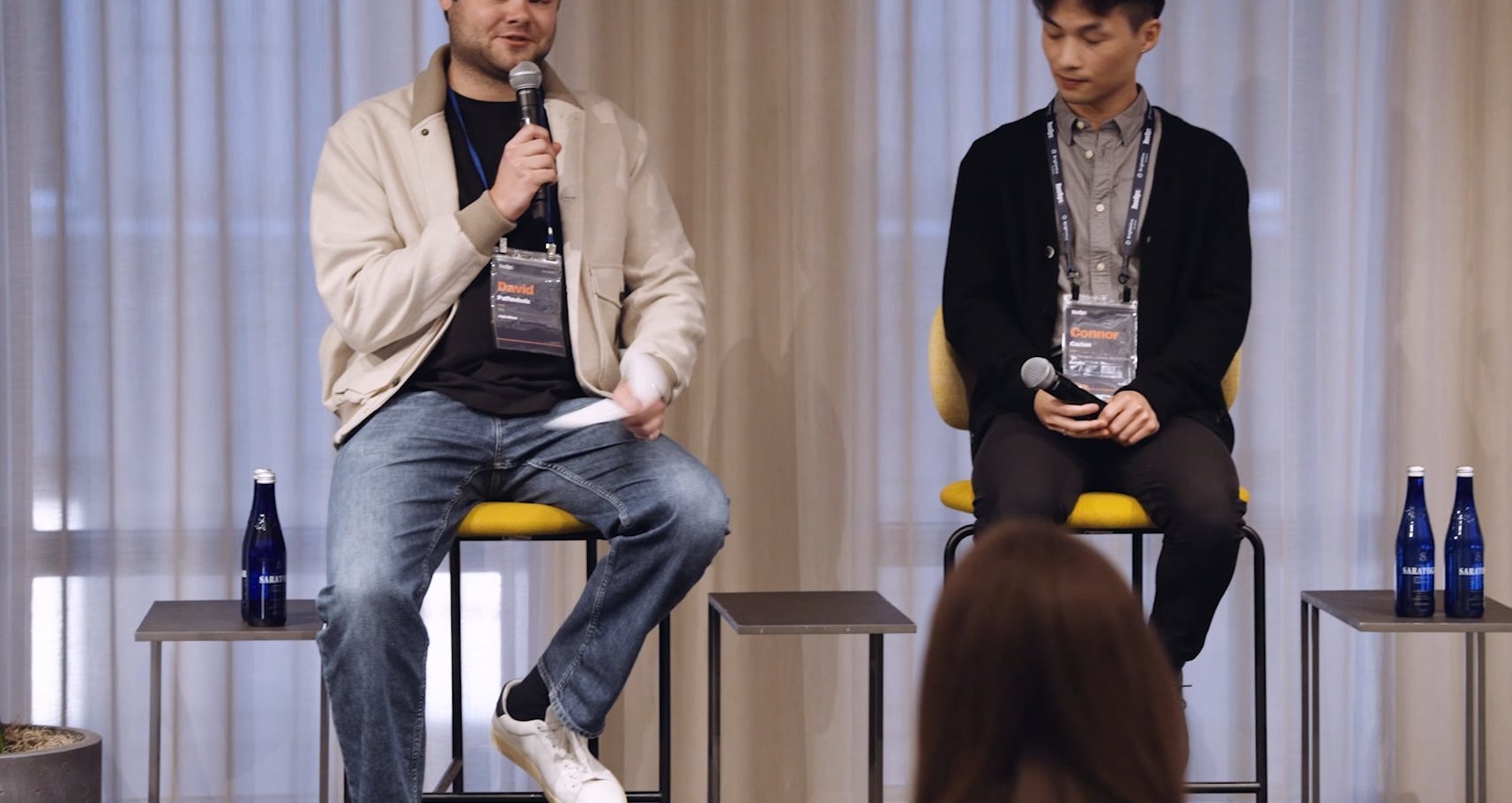
From RecOps Con 2026: Connor Carion (Render) on why talent ops should own every hire from the revenue plan to day 90, and how to earn a seat in headcount planning.
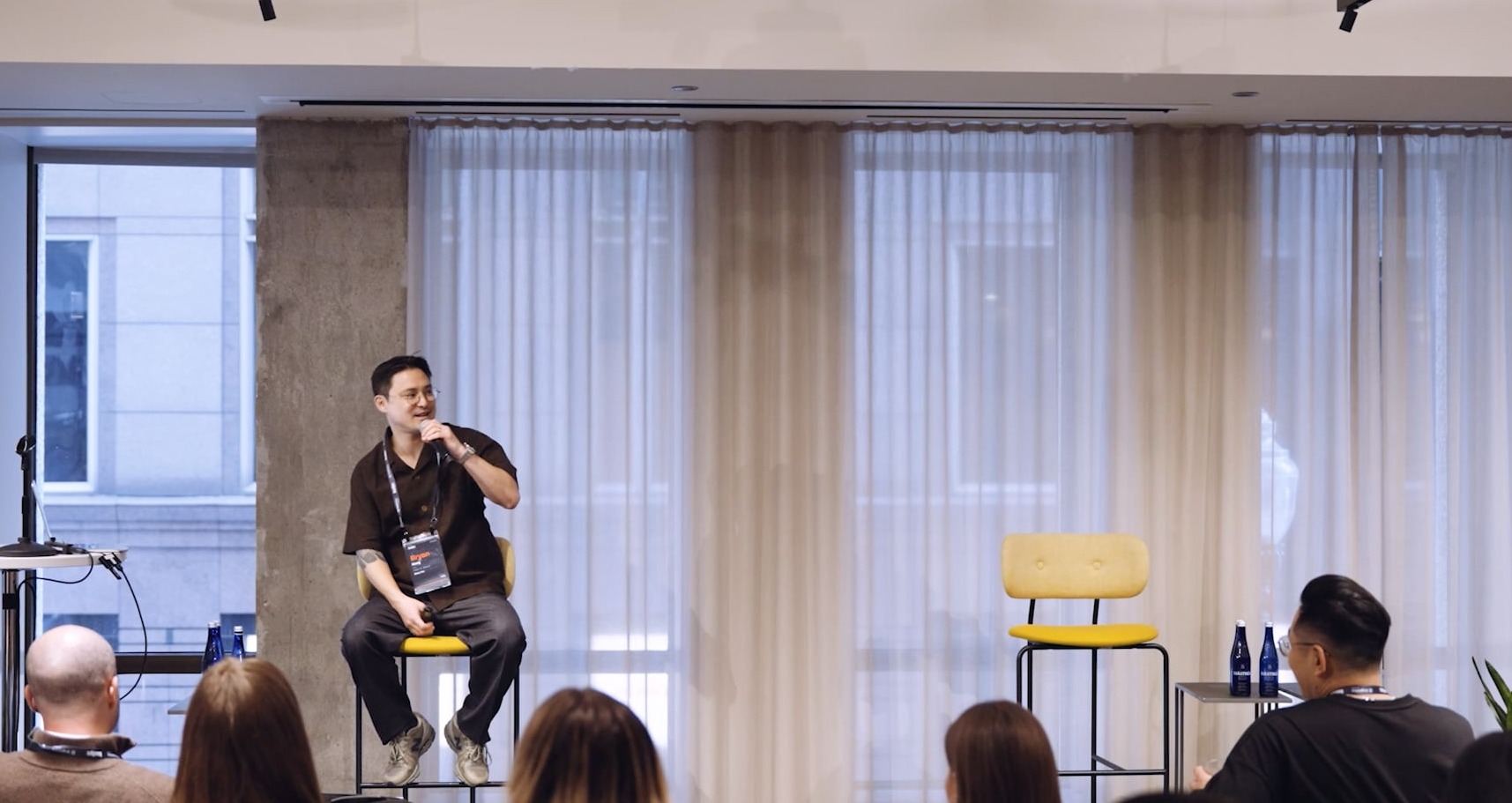
From RecOps Con 2026: Bryan Hong (Story AI) on taking an AI workflow from a demo that works for you to a production system your engineers and security team will sign off on.
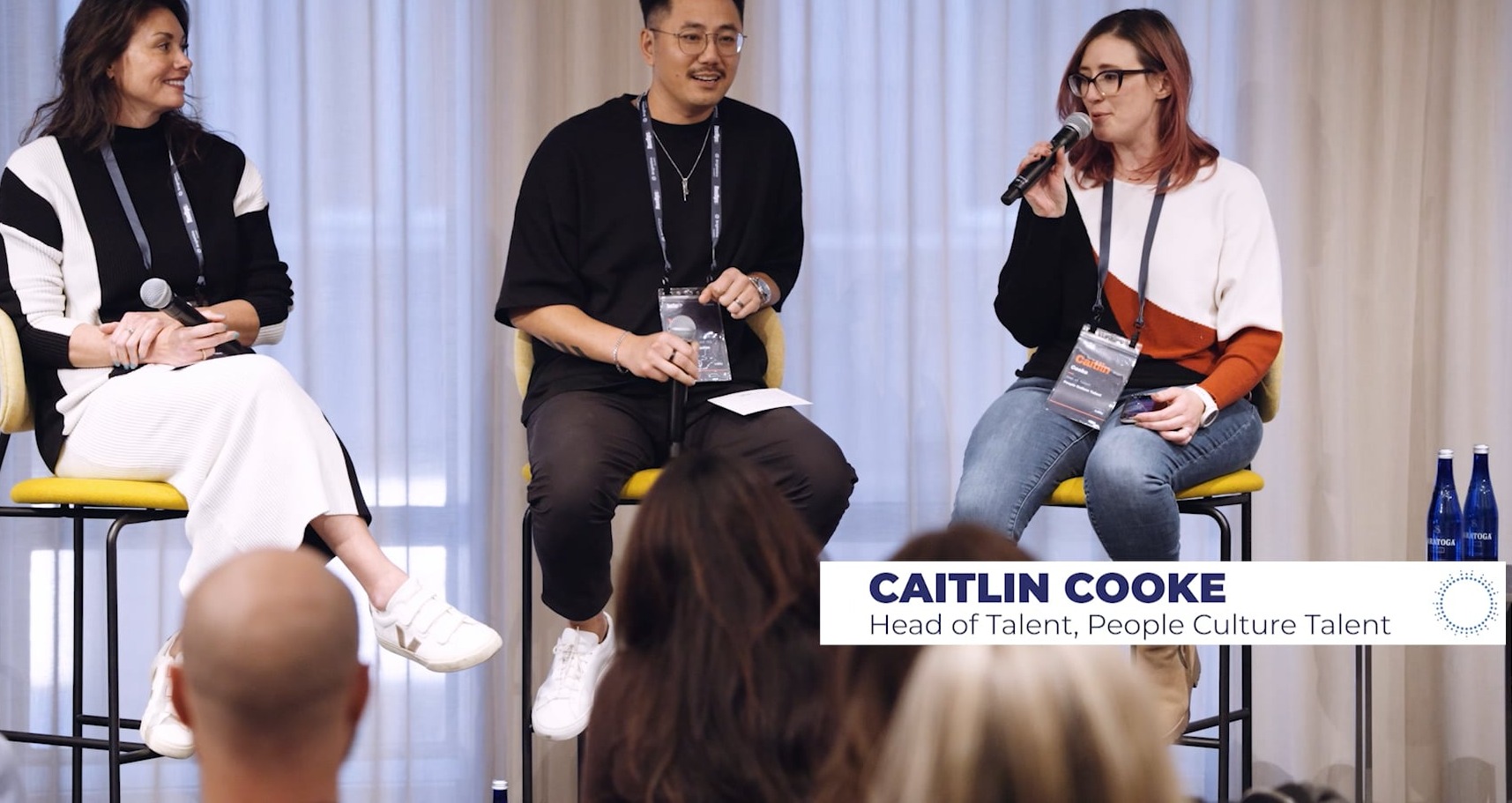
From RecOps Con 2026: Caitlin Cooke, Viet Nguyen and Tianna Johnson debate what talent engineering actually is, who should do it and whether your team is ready for it.
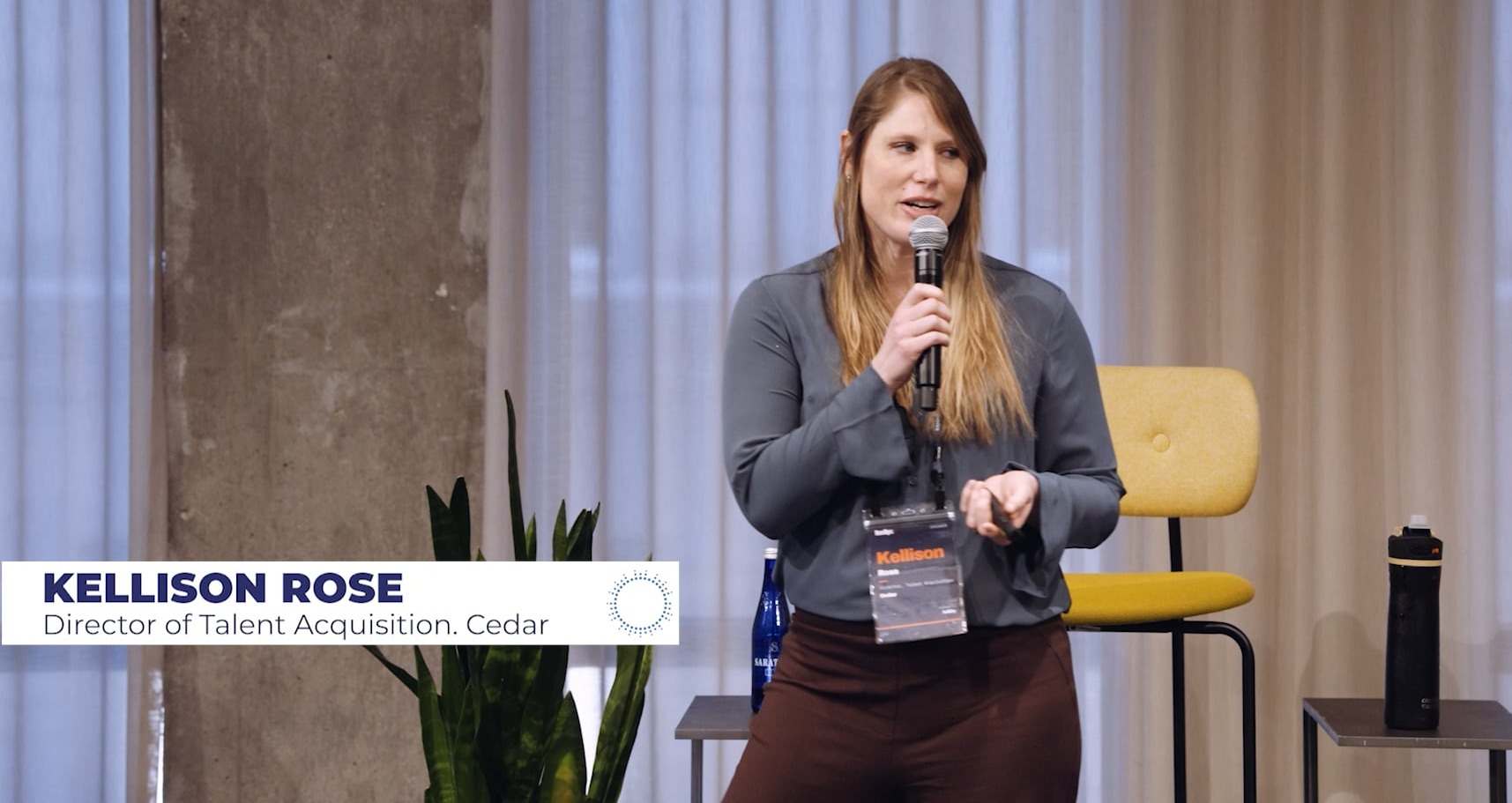
From RecOps Con 2026: Kellison Rose (Cedar) on building interviewer training from your best interviewers up, not from recruiting down.
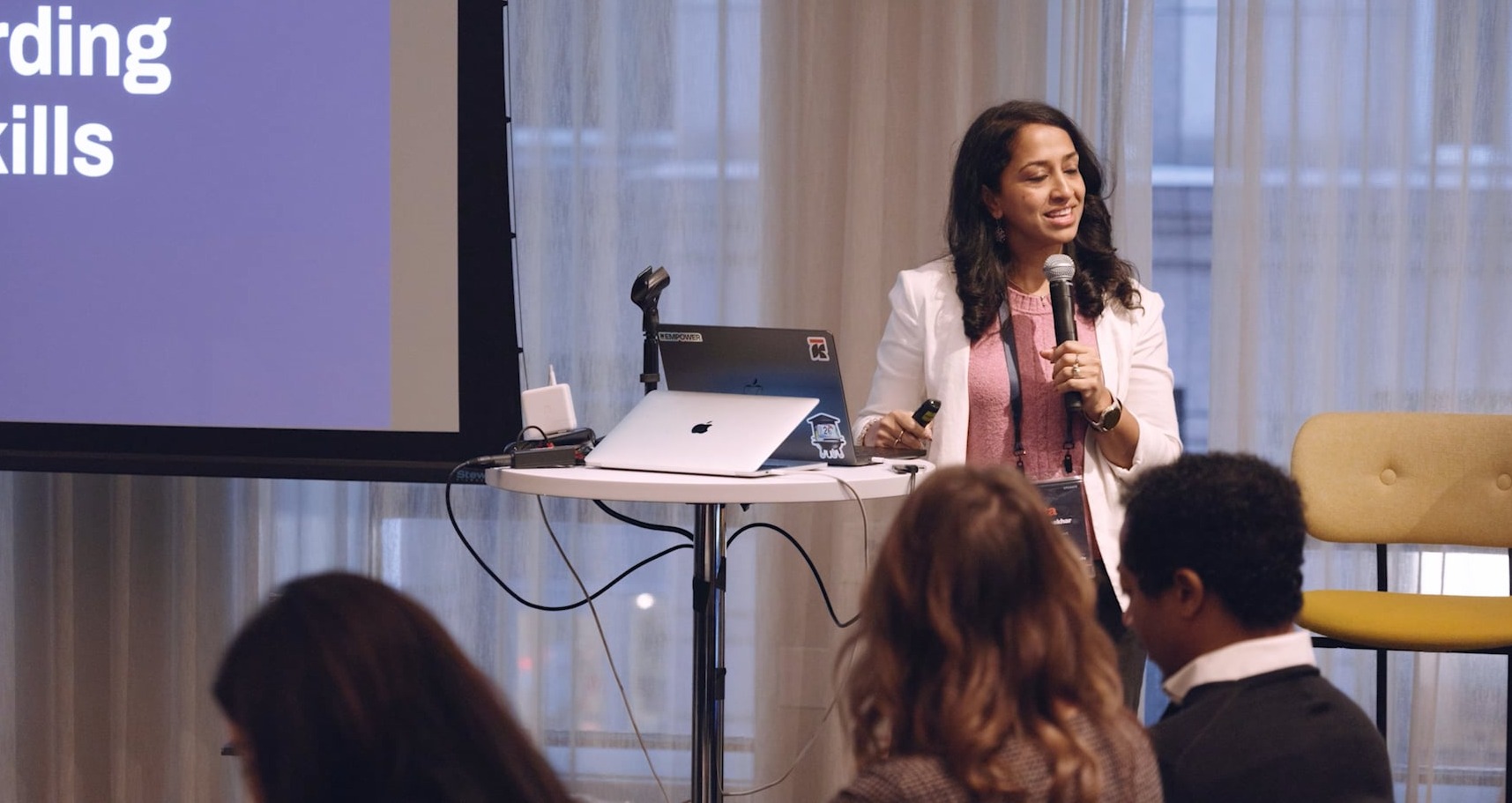
From RecOps Con 2026: Anita Chandrasekhar (Zapier) walks through the 2 Claude Skills she built to give every new TA hire a consistent onboarding plan.
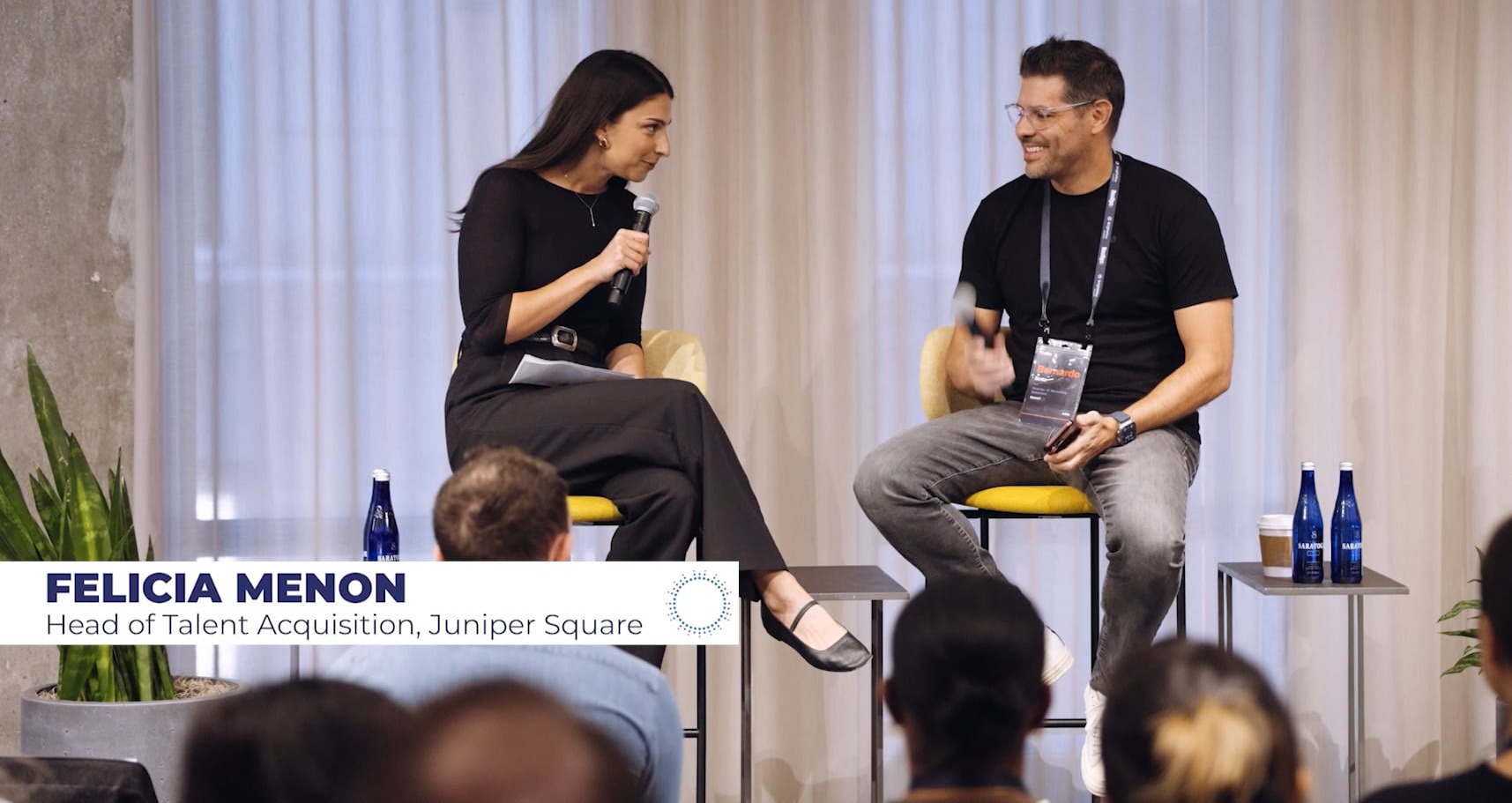
From RecOps Con 2026: Bernardo Sosa (Vercel) on how headcount planning, recruiter capacity and quality of hire are changing at a high-growth AI company.
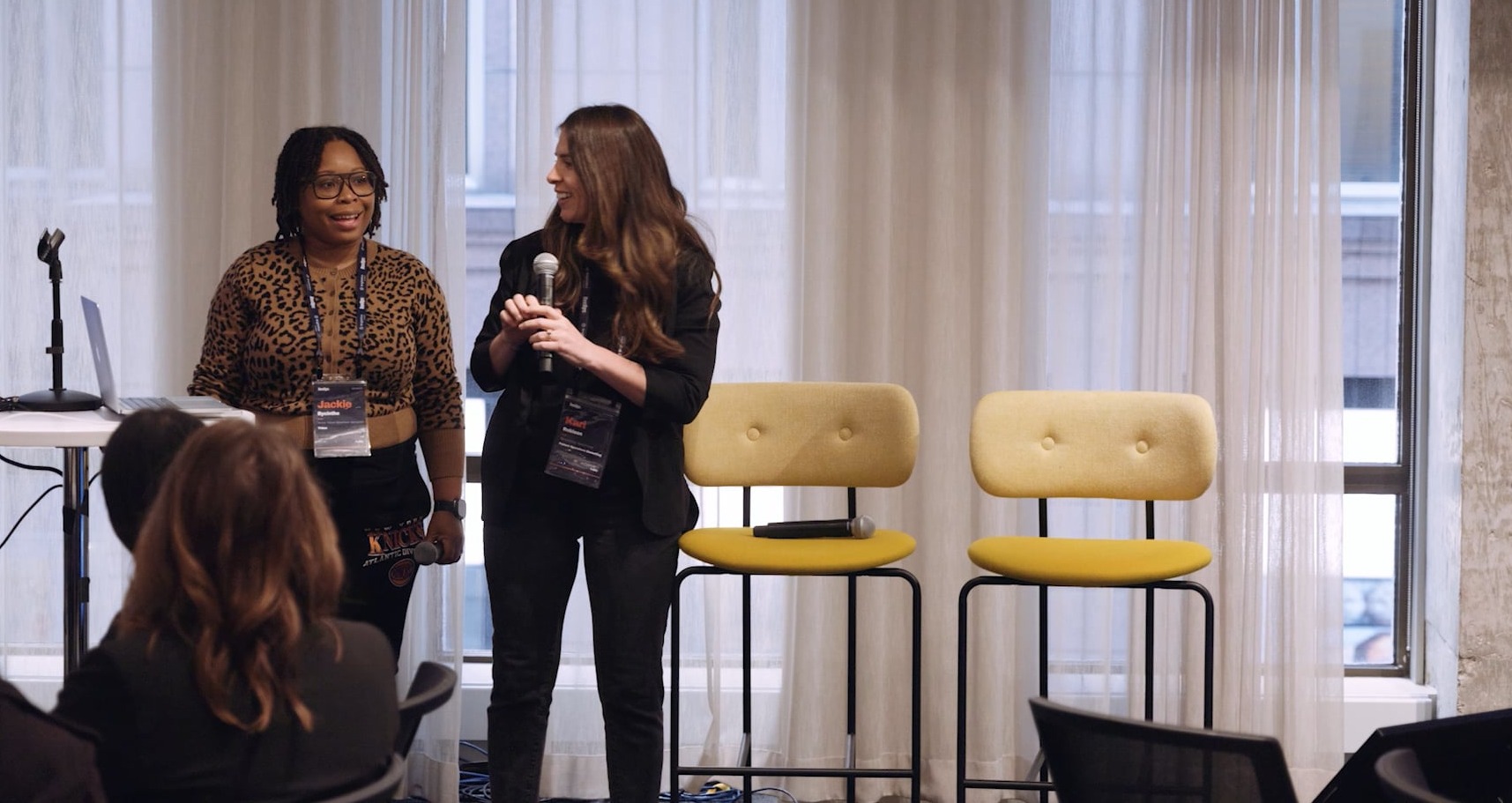
From RecOps Con 2026: Kari Robison and Jackie Bycinthe close the conference with a look back at the year recruiting went agentic, and what the RecOps job looks like in 2027.
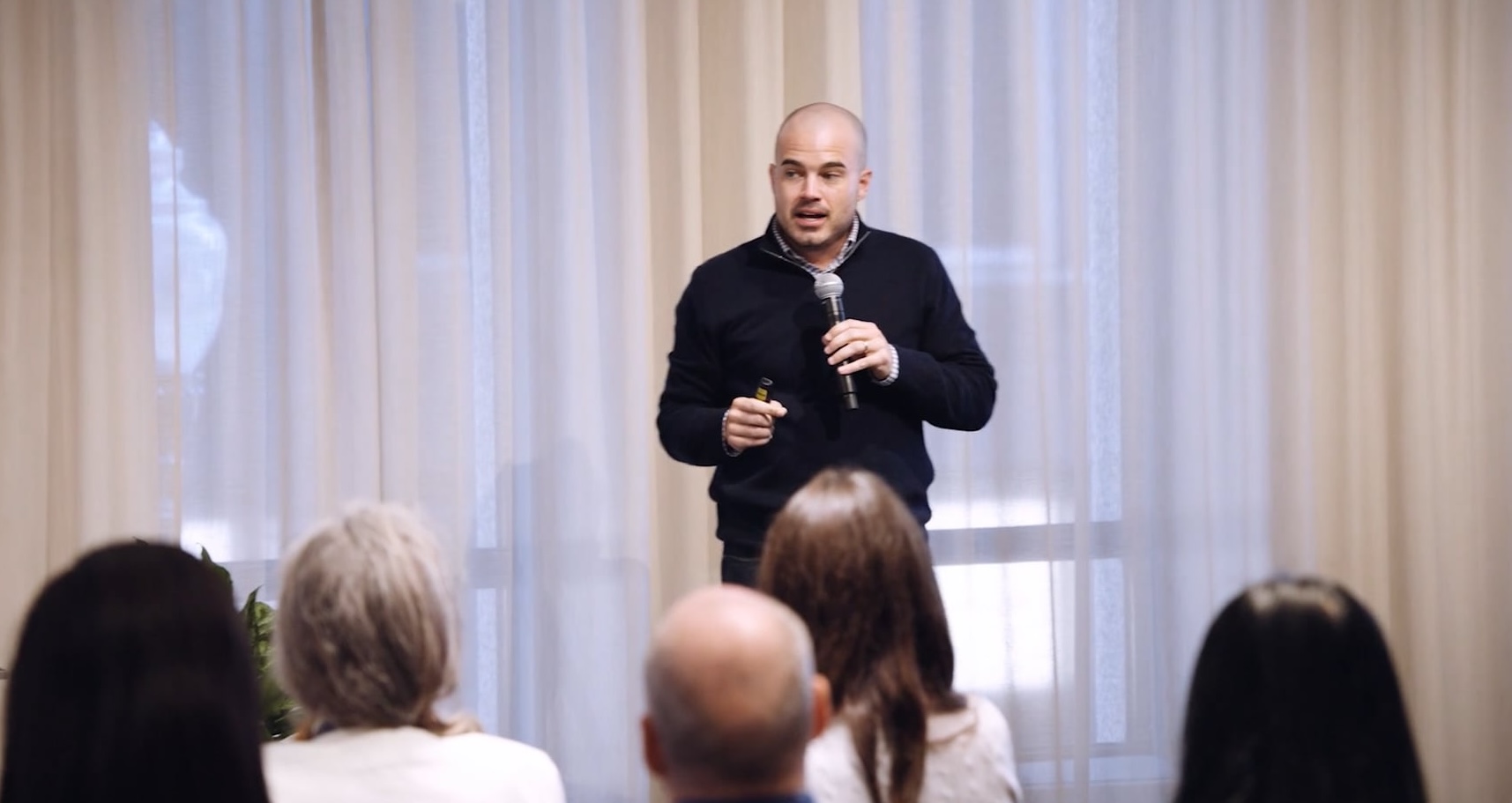
From RecOps Con 2026: As AI makes it easier to eliminate friction from our work, this session explores the case for putting some of it back intentionally.
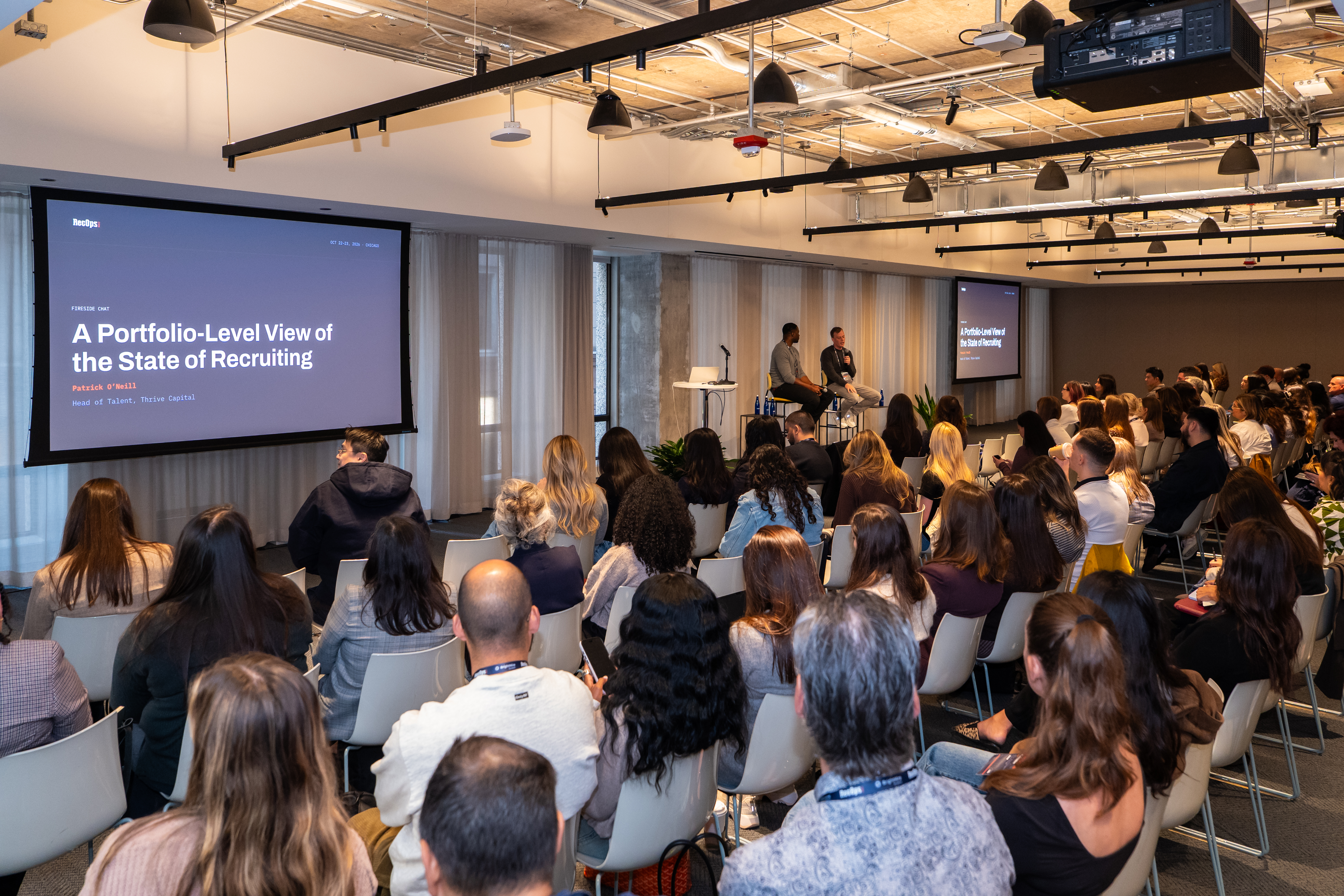
Watch the RecOps Con 2026 highlight reel and catch up on the keynote, hands-on labs and practitioner-led sessions on the tools, workflows and AI changing how recruiting runs.

From UrX10, this session offers practical frameworks for building global early-talent programs that hold together across wildly different recruiting cycles, university systems, and cultural expectations without losing the local nuance that makes them work.
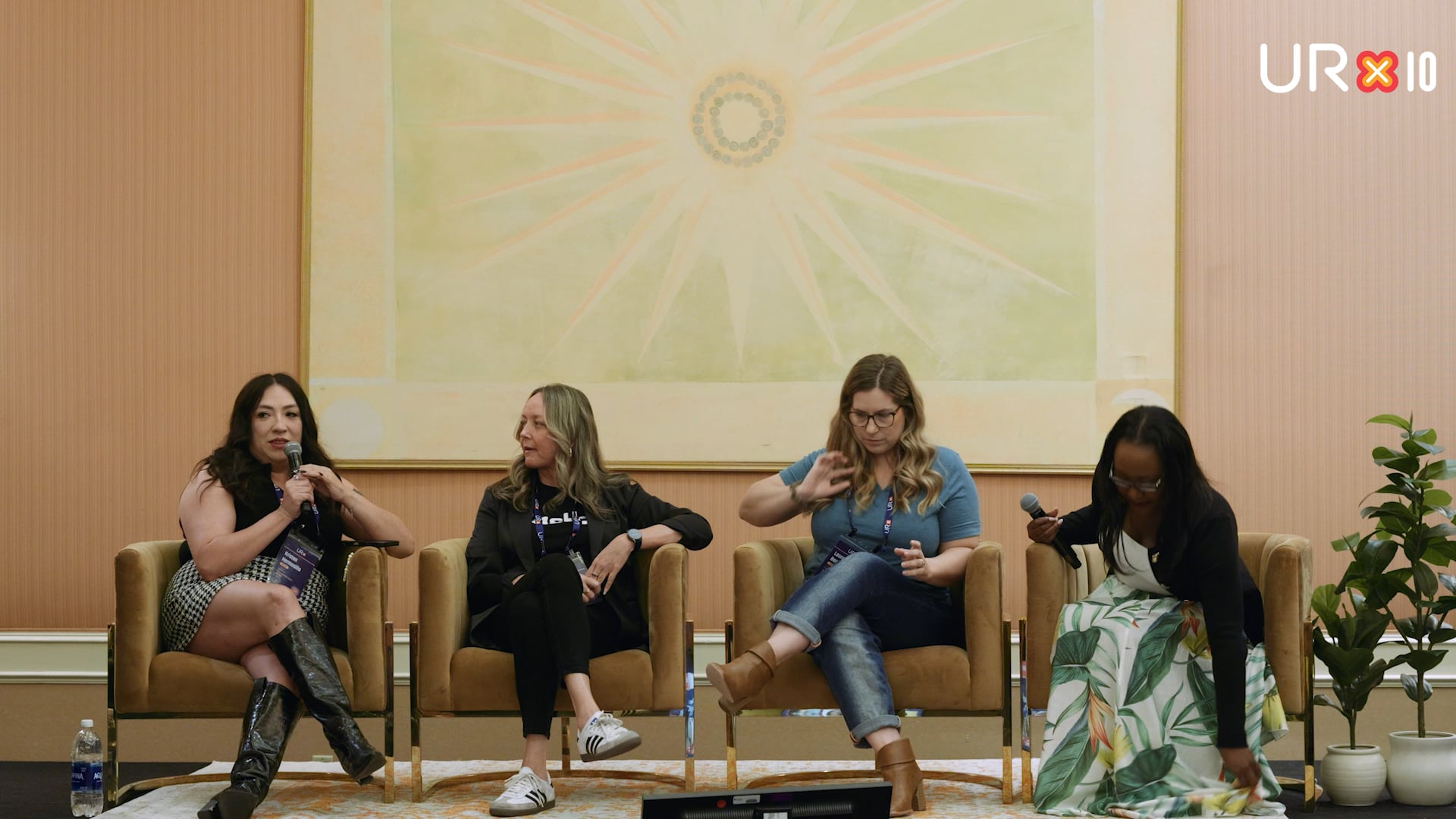
In this URx10 session, university recruiting leaders share how they’re making tough budget calls in a constrained environment—what they’ve cut, what they’ve kept, and how they’re aligning every dollar to measurable business outcomes.
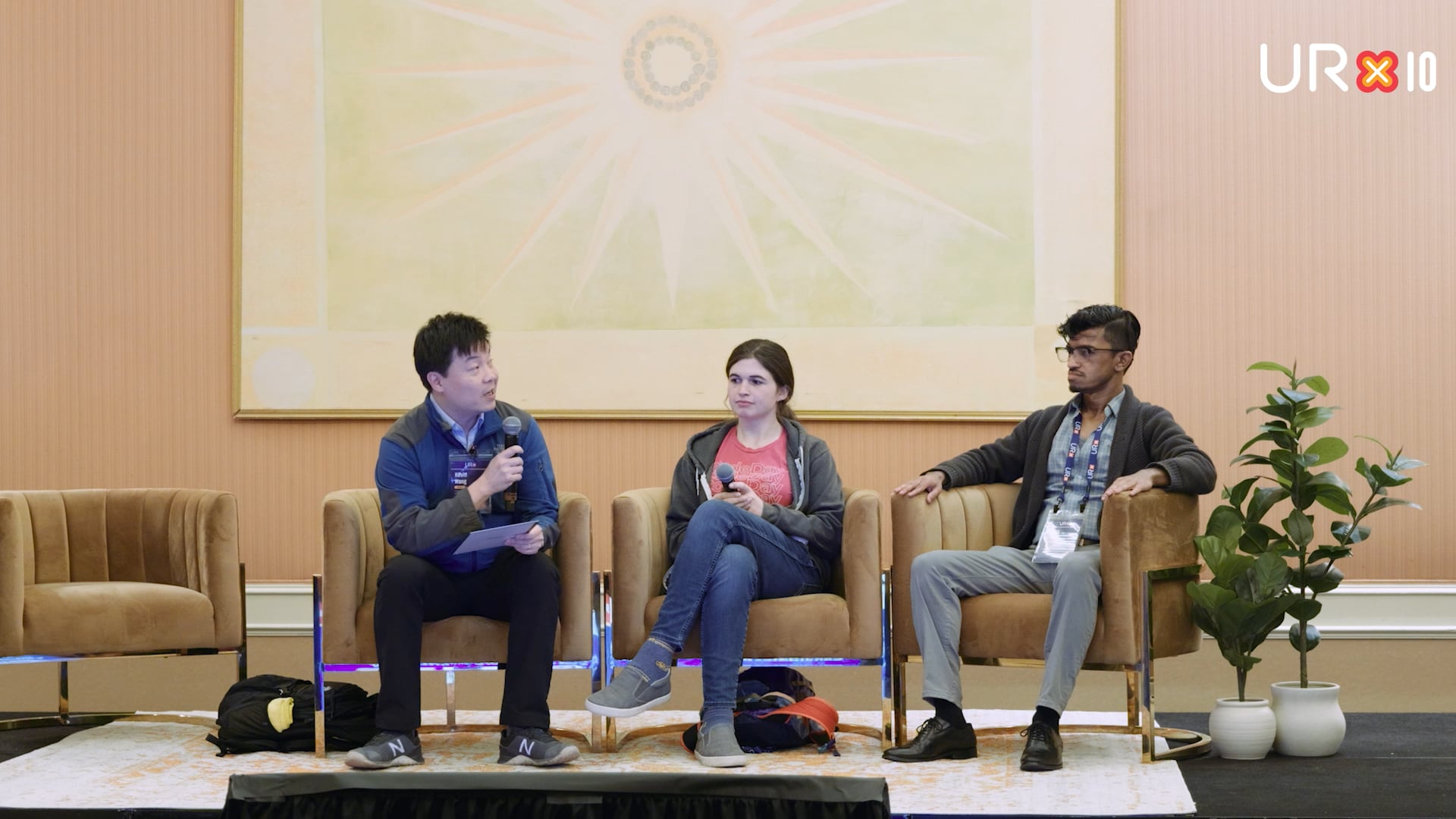
Drawing on a peer-reviewed study of tech hiring managers, this panel from URx10 reveals the seven traits that consistently predict new-grad success in an AI-integrated workplace and the practical screening tools that surface them before a single interview is scheduled.
Grounded in workforce data and TA economics, this URx10 session makes the case for why interns and new grads are uniquely positioned to grow alongside AI-enabled workflows, and why leading organizations are expanding, not shrinking, their early-career pipelines.
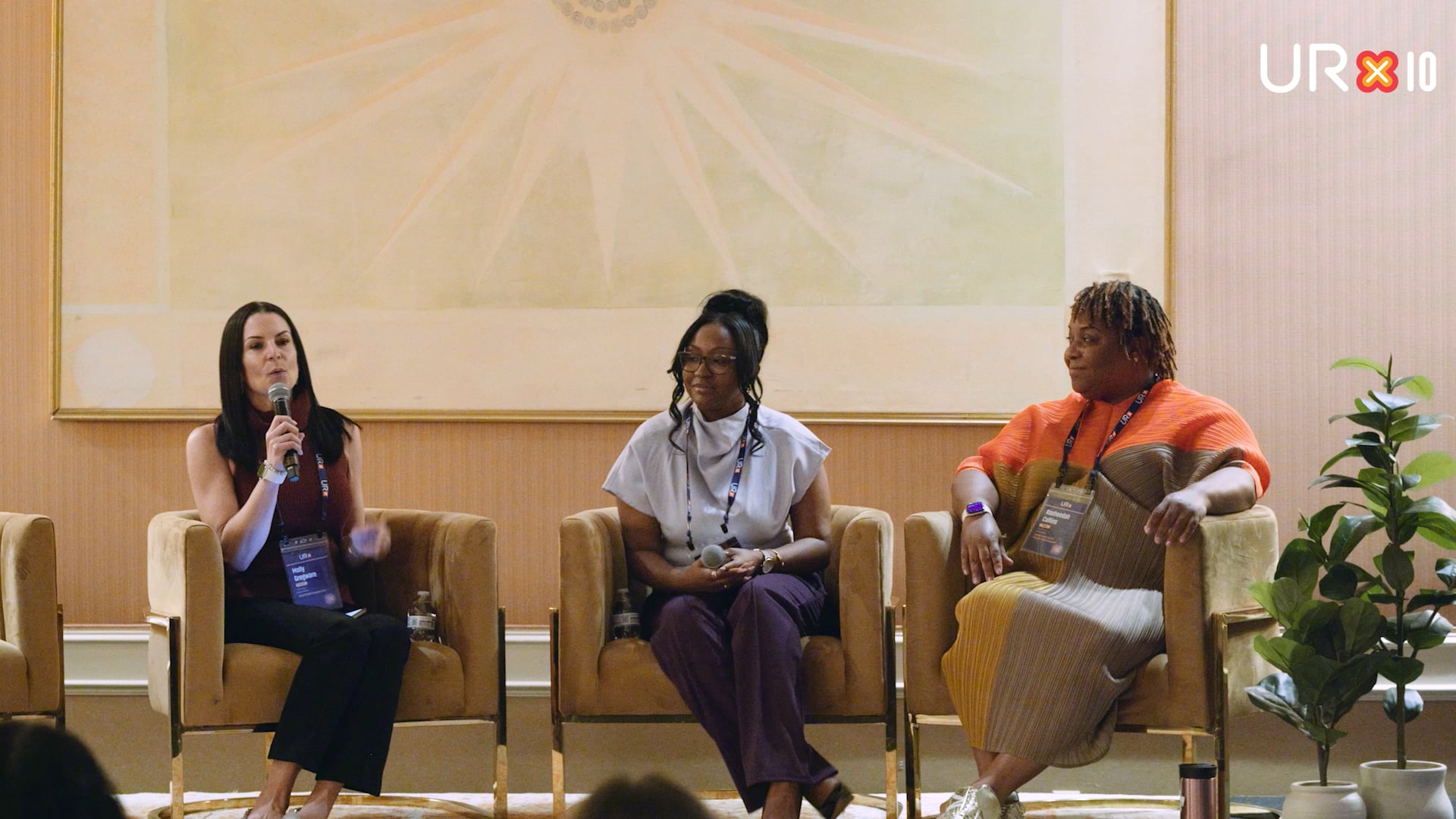
From UrX10, this session explores how leading teams are rebalancing their approach by maintaining the strength of referrals while protecting space for diverse, high-potential talent from outside networks.
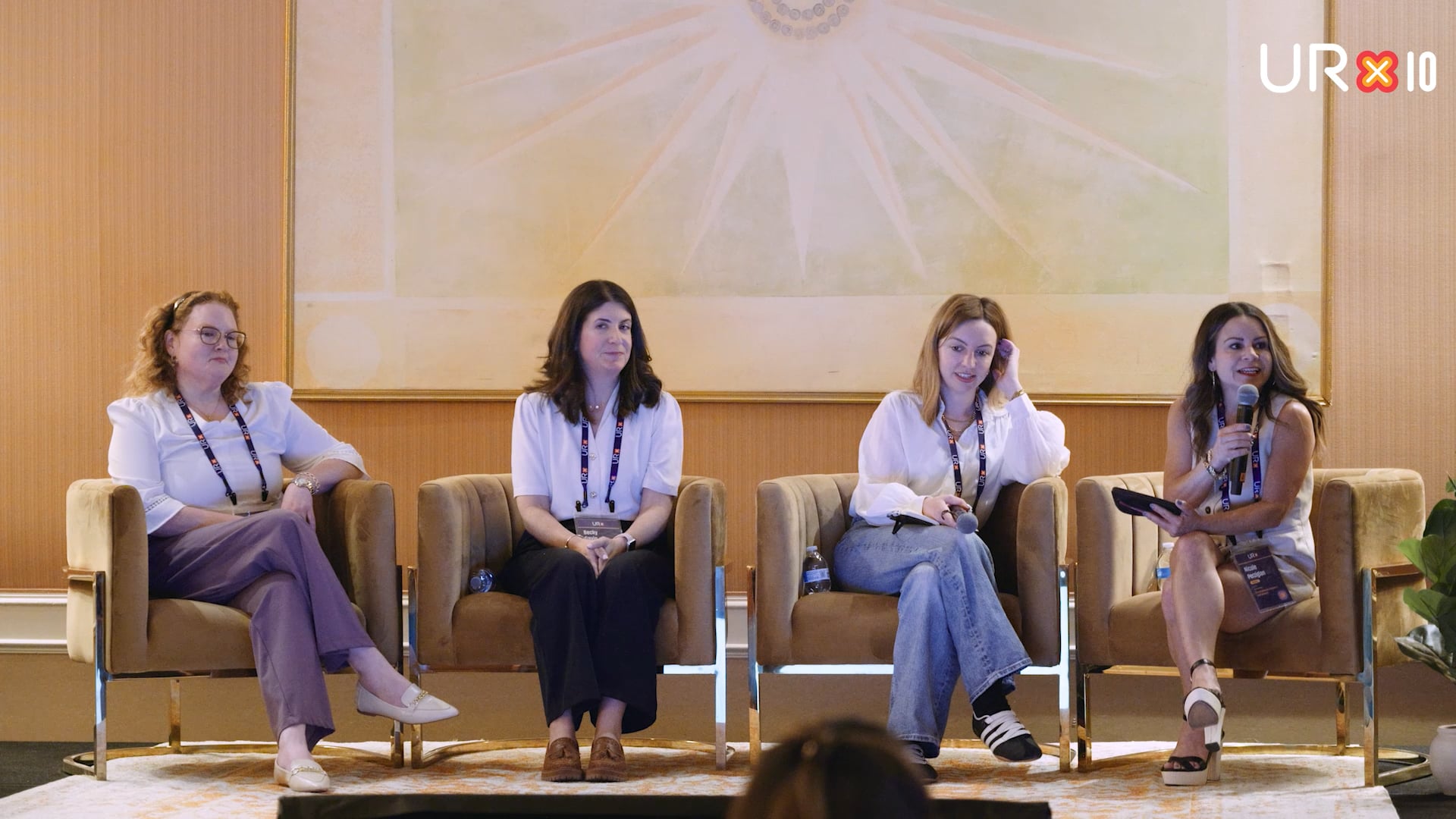
This session from URx10 explores how organizations outside the traditional tech sector are reframing their stories to attract early-career technical talent to some of the most complex, high-impact engineering challenges happening today.
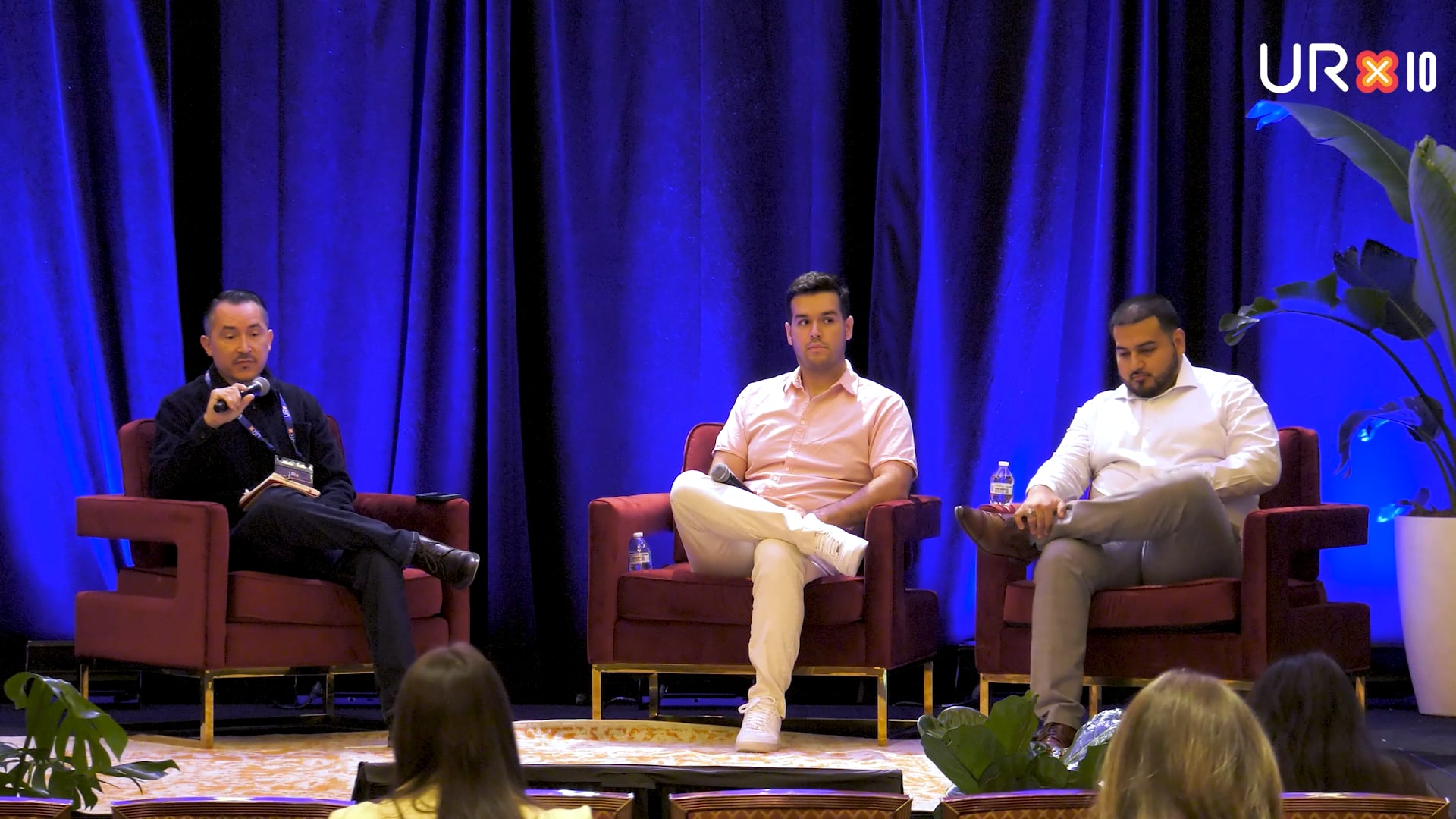
From UrX10, this session explores how first-gen talent, defined by unique adaptability and navigational capital, can become a primary driver of innovation within organizations.
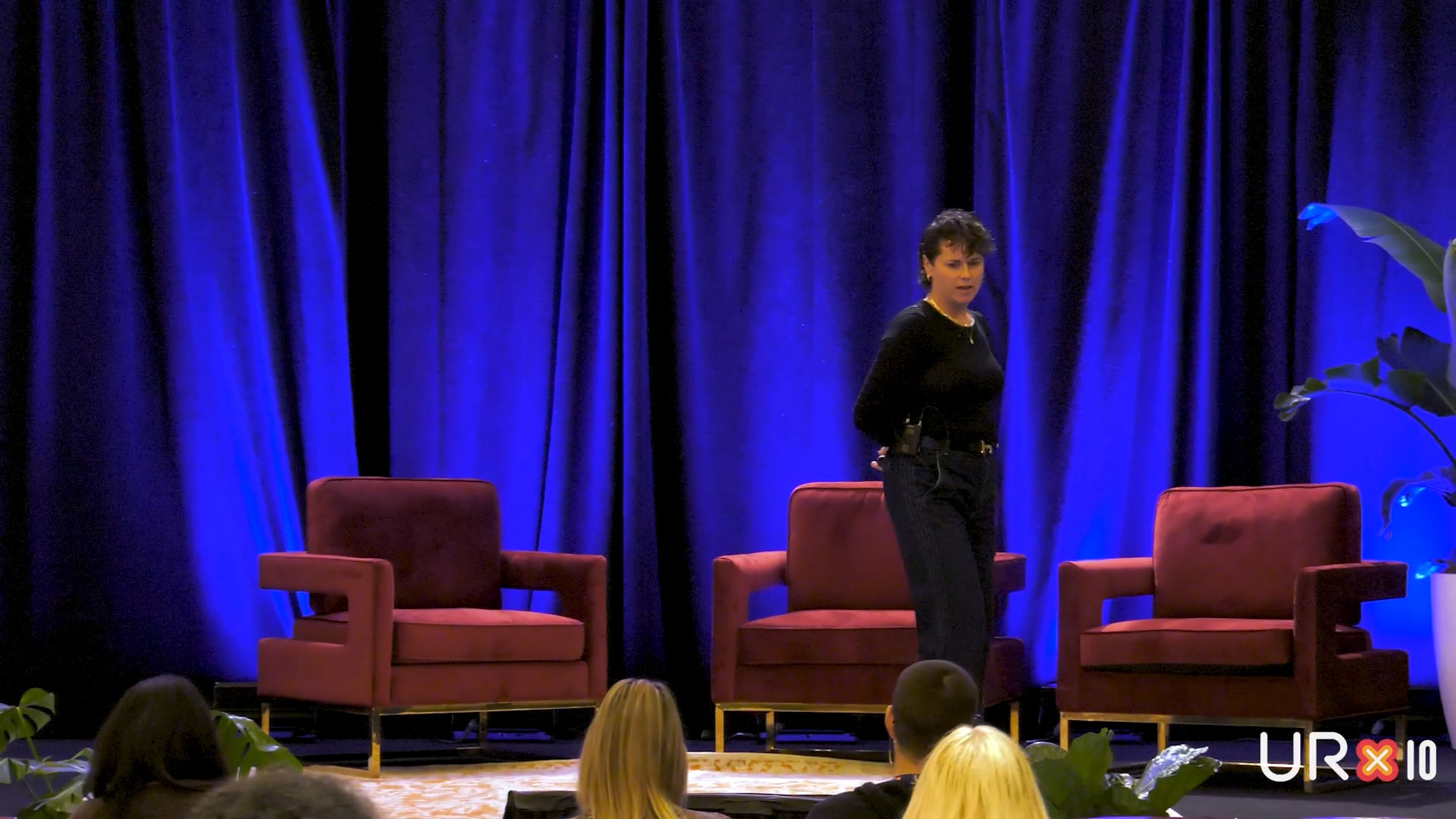
From URx10, this session with Amanda Richardson, CEO of CoderPad, challenges the narrative that AI is replacing early career talent.
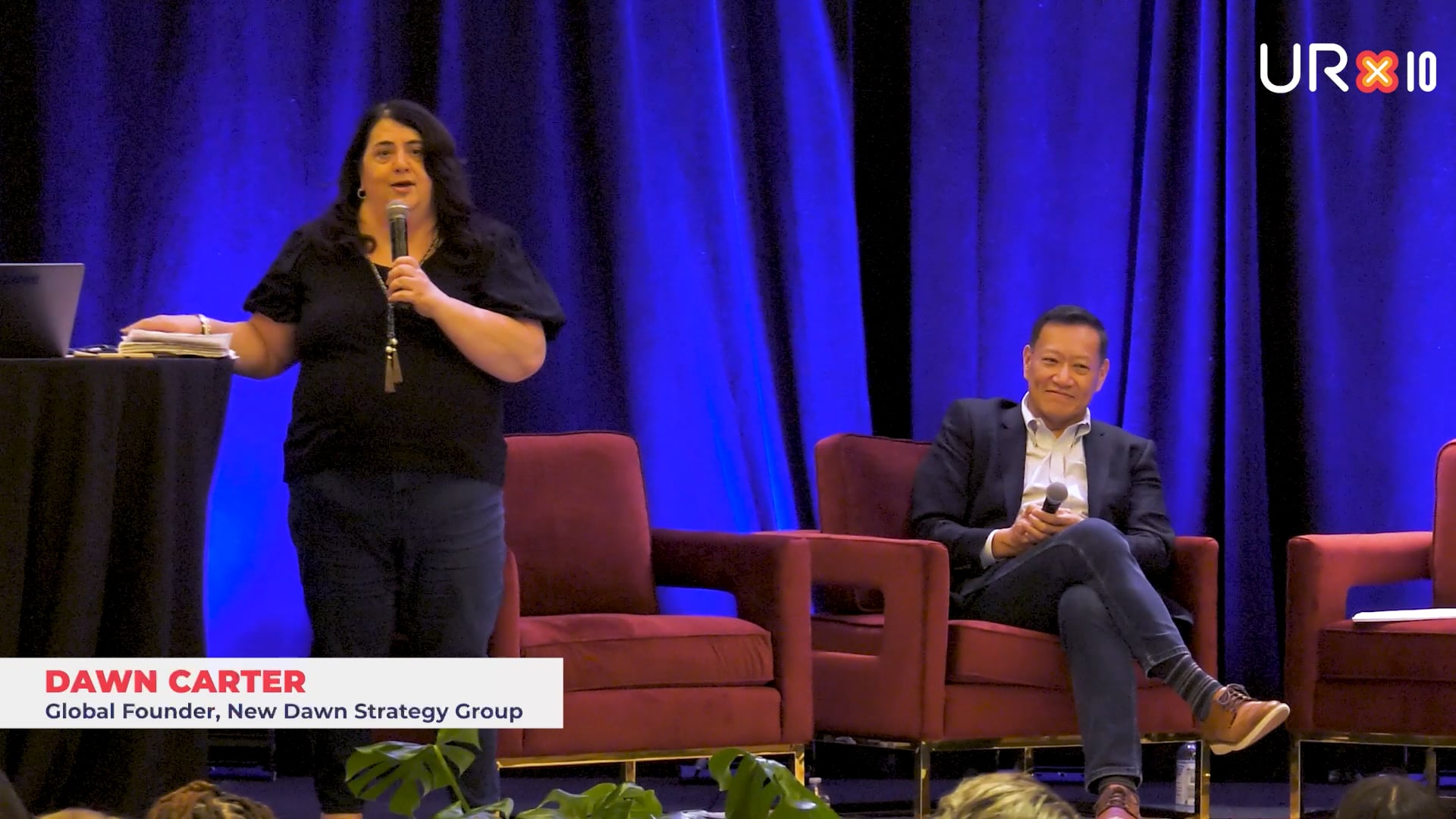
From URx10, this session teaches early-career leaders how to move beyond activity-based reporting and connect disconnected data into a compelling narrative that links talent investment directly to the business outcomes executives actually care about.
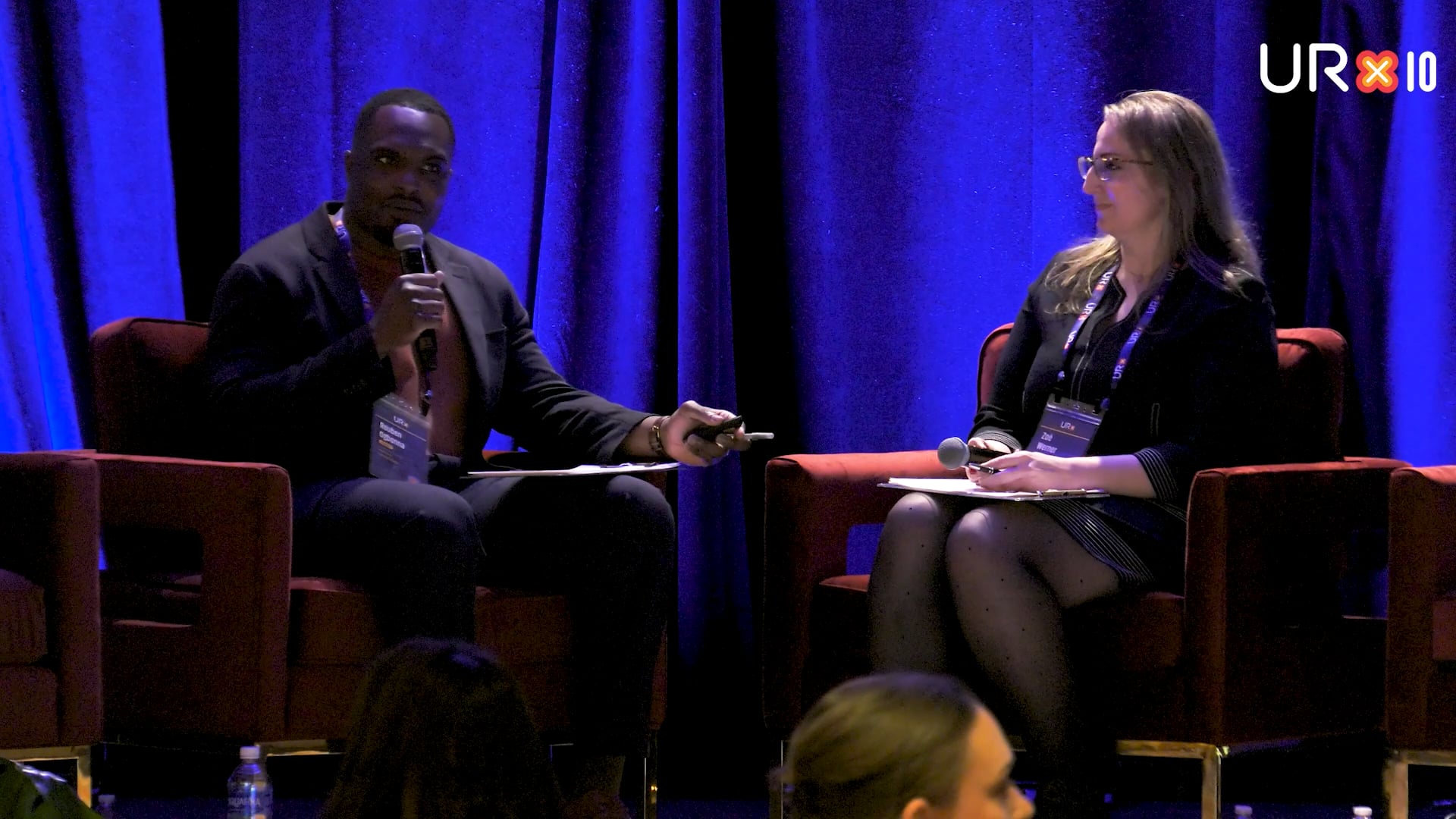
Using Mizuho’s ApprenTECH program as a real-world case study, this URx10 session moves beyond apprenticeship theory to explore what it actually takes to build a practical, sustainable alternative hiring pipeline inside a real organization.
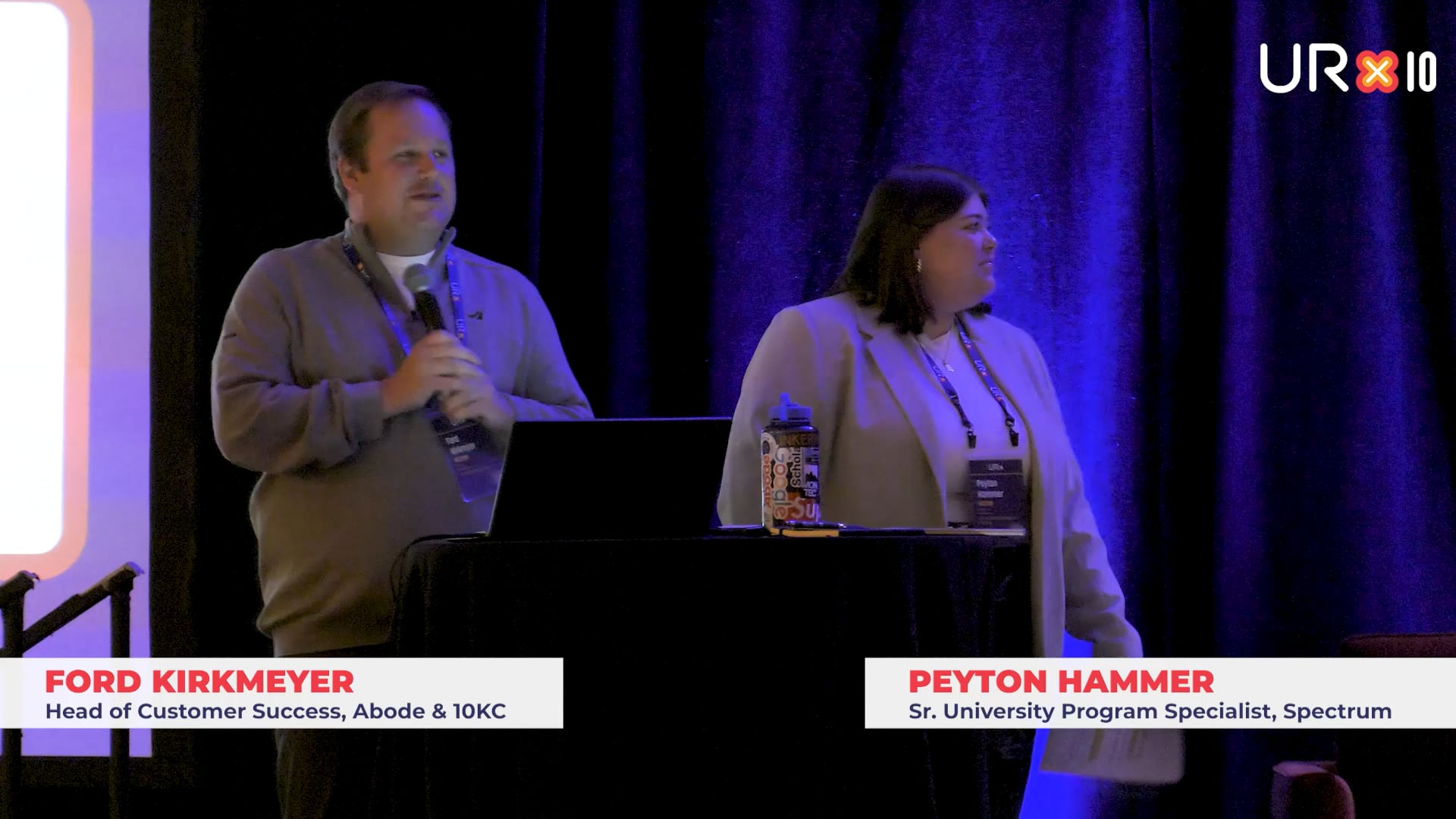
Drawing on a survey of 900 college students, this URx10 session reveals the expectations gap between candidates and employers, and how teams like Spectrum’s are closing it with faster, more personalized follow-up that turns early conversations into accepted offers.
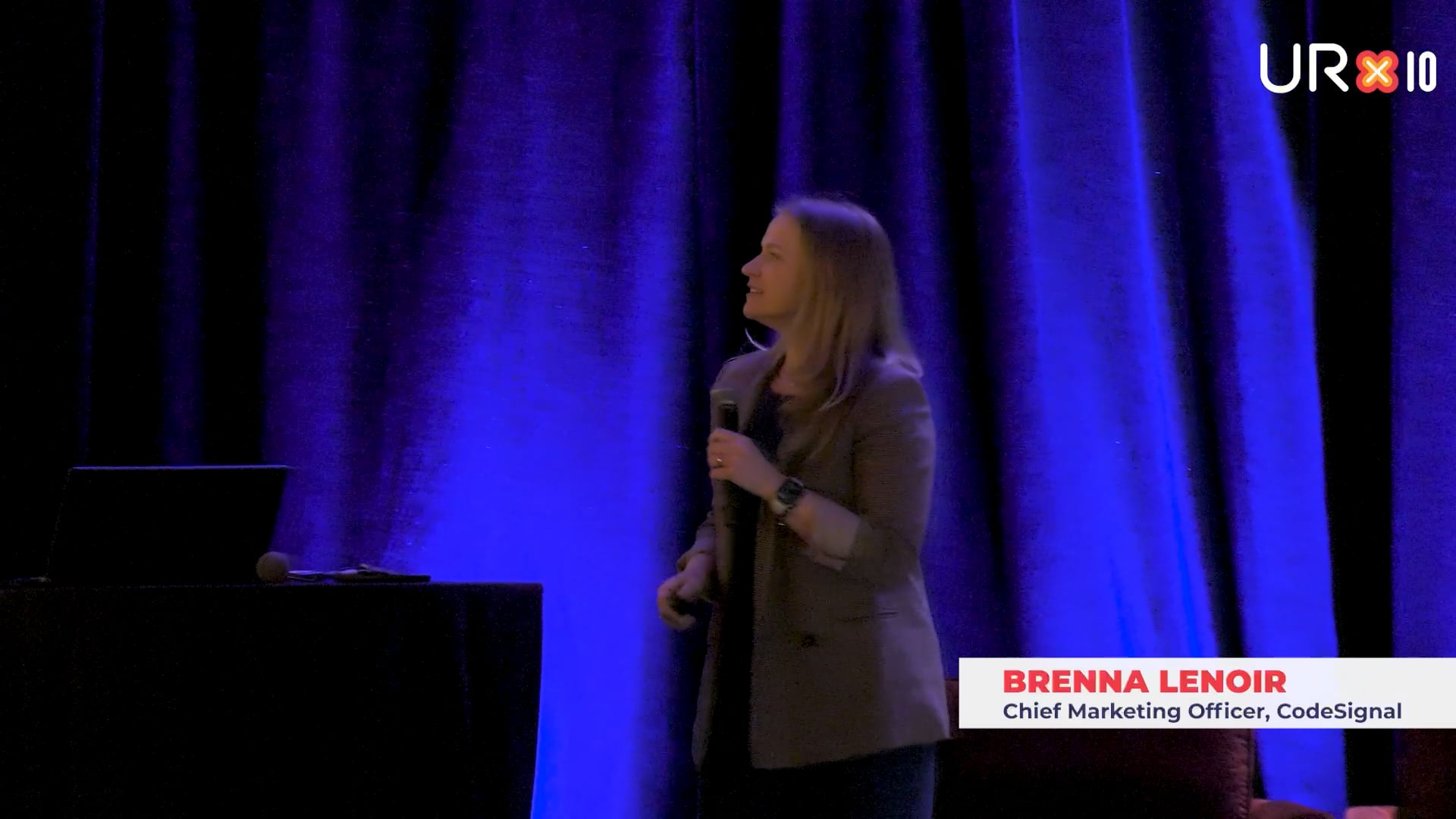
With application volume tripling and cheating attempts surging, this keynote from URx10 unpacks how the most forward-thinking university recruiting teams are redesigning assessment, rethinking traditional proxies like GPA and school name, and using skills data to lead with influence in a rapidly shifting landscape.
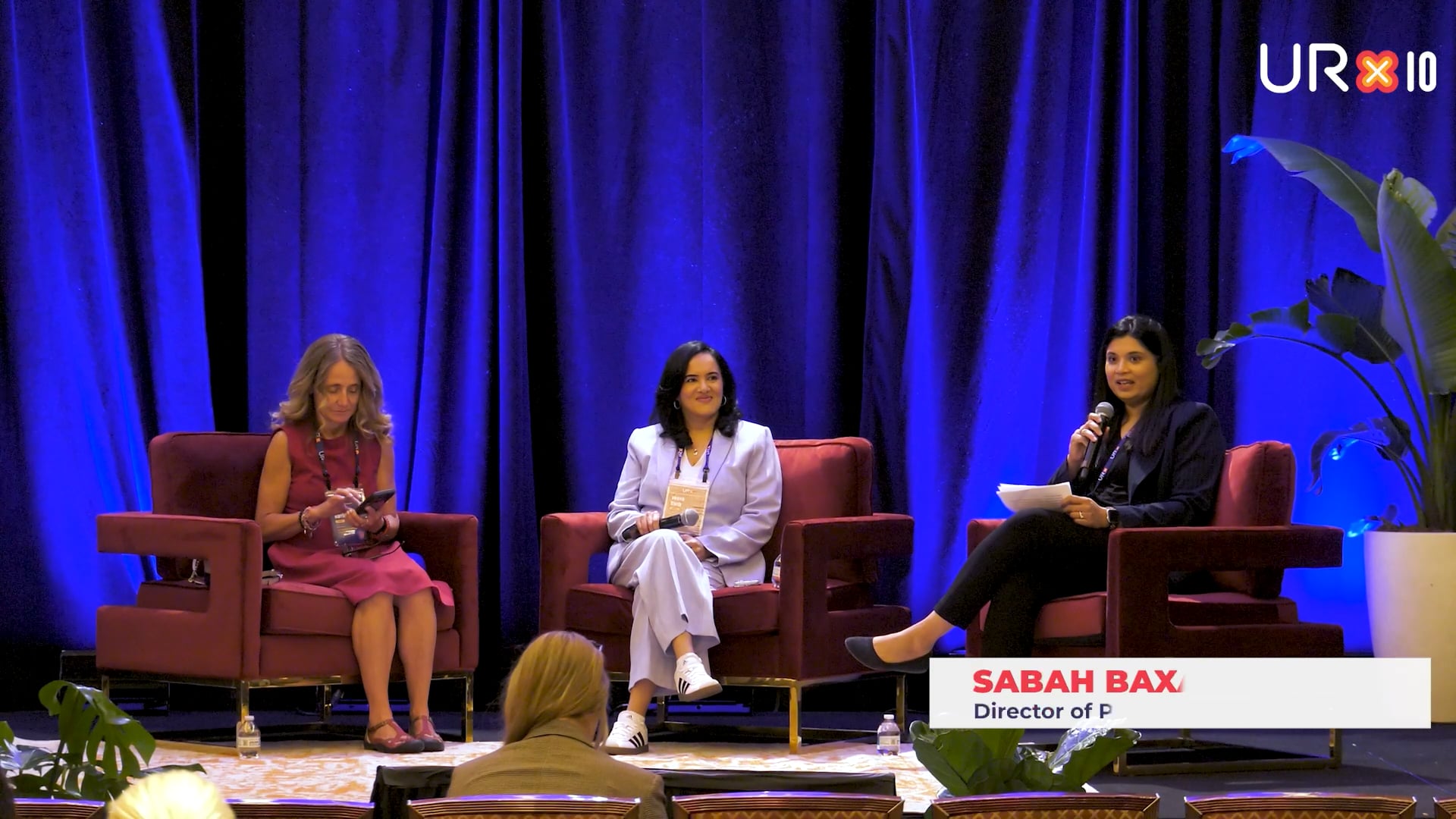
From URx10, university leaders come together for an honest dialogue about the widening gap between what campuses are producing and what employers now demand in an AI-transformed workforce.
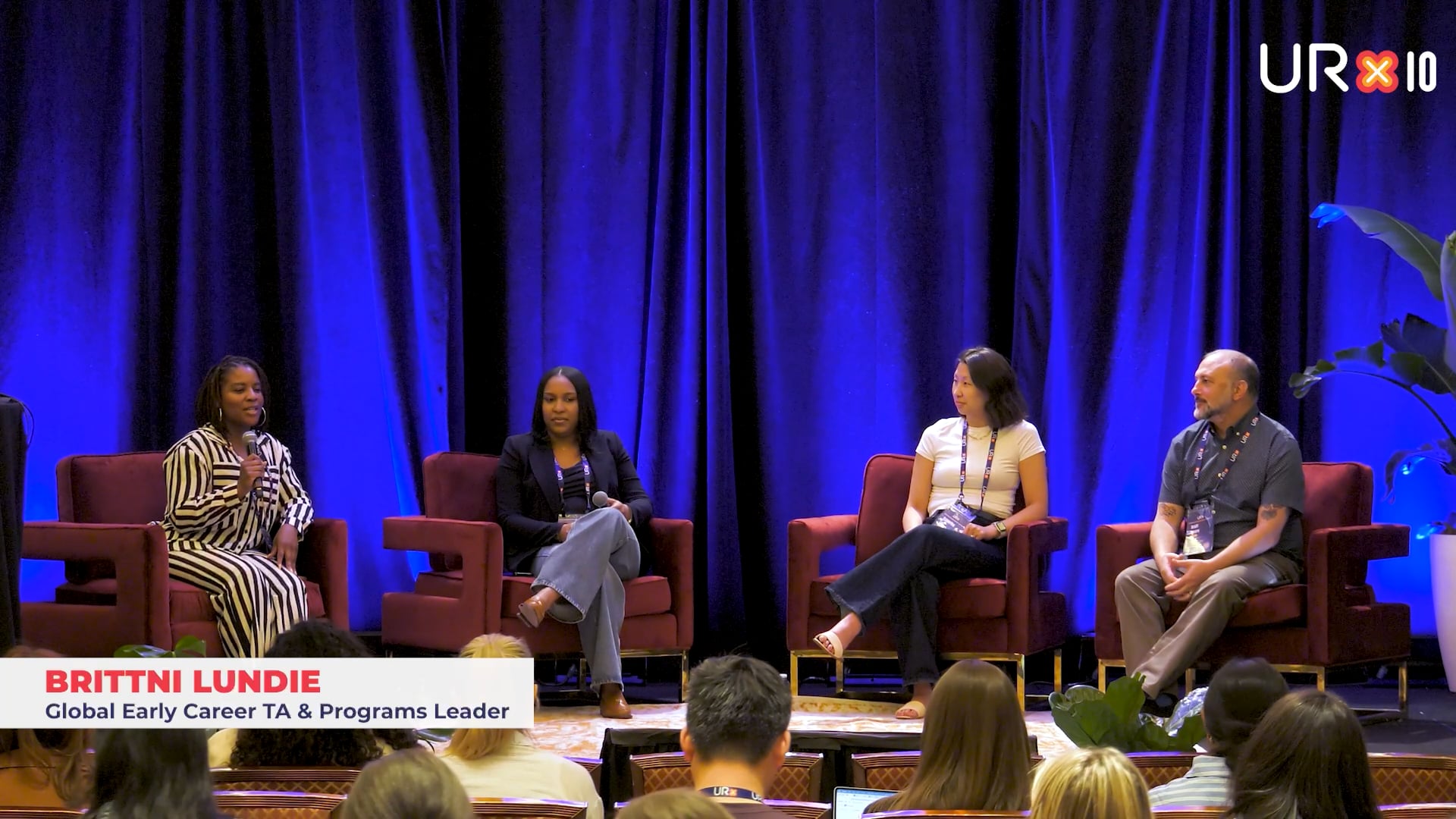
As budgets tighten and scrutiny increases, this URx10 session explores how teams are building high-impact internship programs by embracing smaller, more intentional cohorts, and turning selectivity into a competitive advantage.
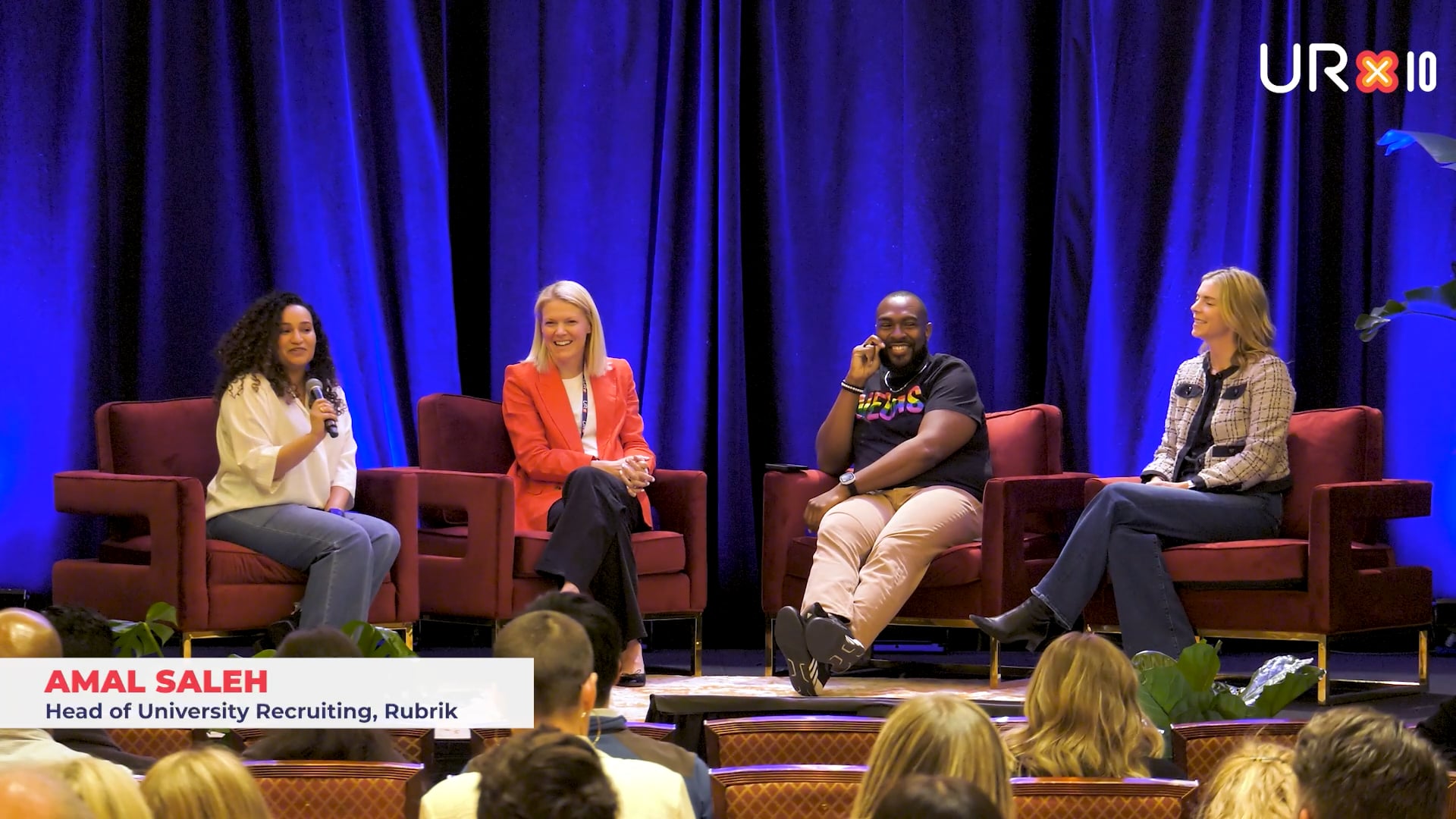
As AI makes polished answers and assisted coding easier than ever, this URx10 session explores how hiring teams are rethinking early talent evaluation to focus on what truly can’t be faked—problem-solving ability, learning velocity, and sound judgment.
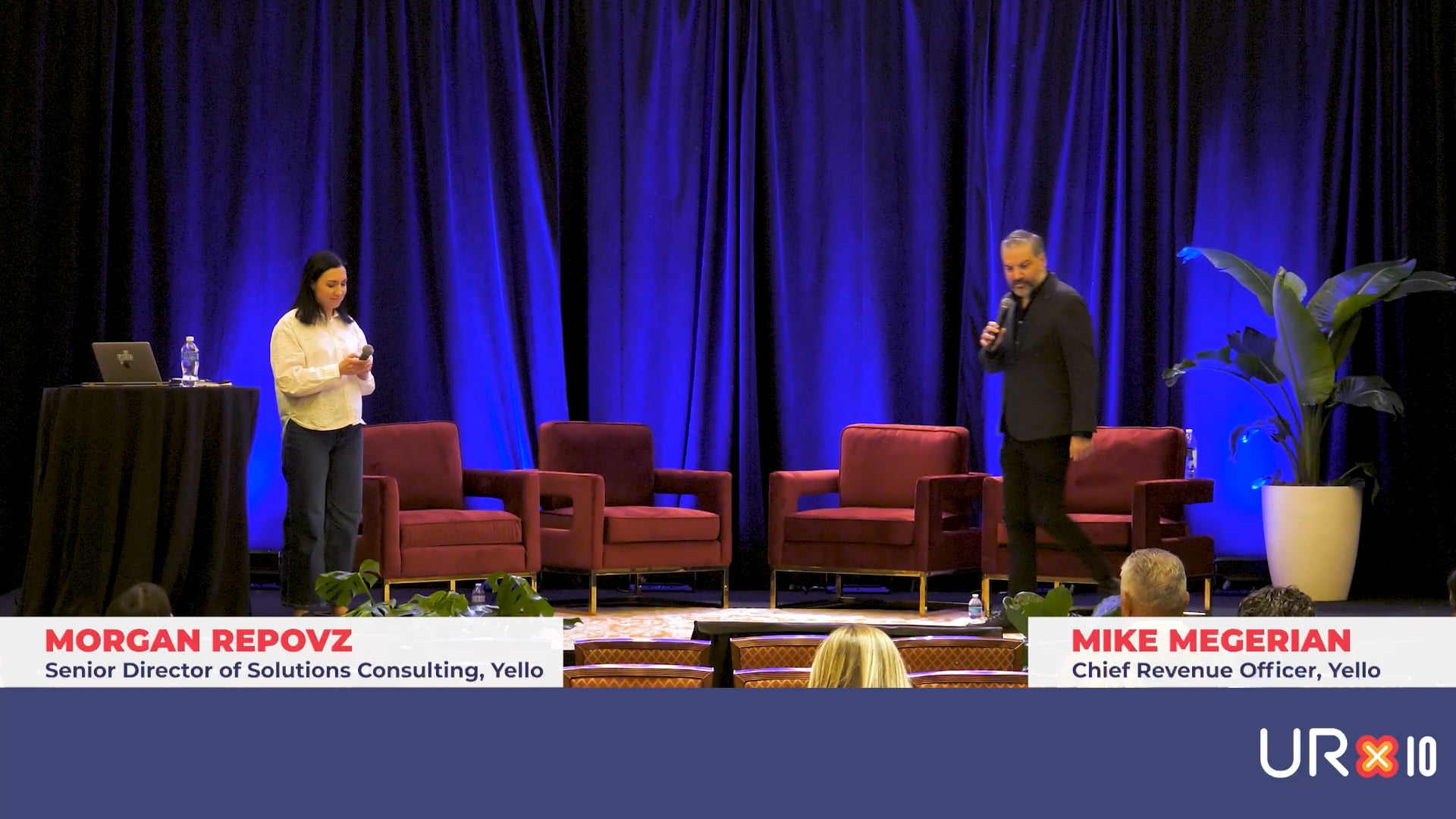
In this session from URx, Yello’s Mike Megarian and Morgan Repovz share data-backed insights on how AI is reshaping campus recruiting, and introduce an AI-powered recruiting agent that pre-books top candidates for interviews before events even start, helping teams shift from activity to outcomes and finally prove their ROI.
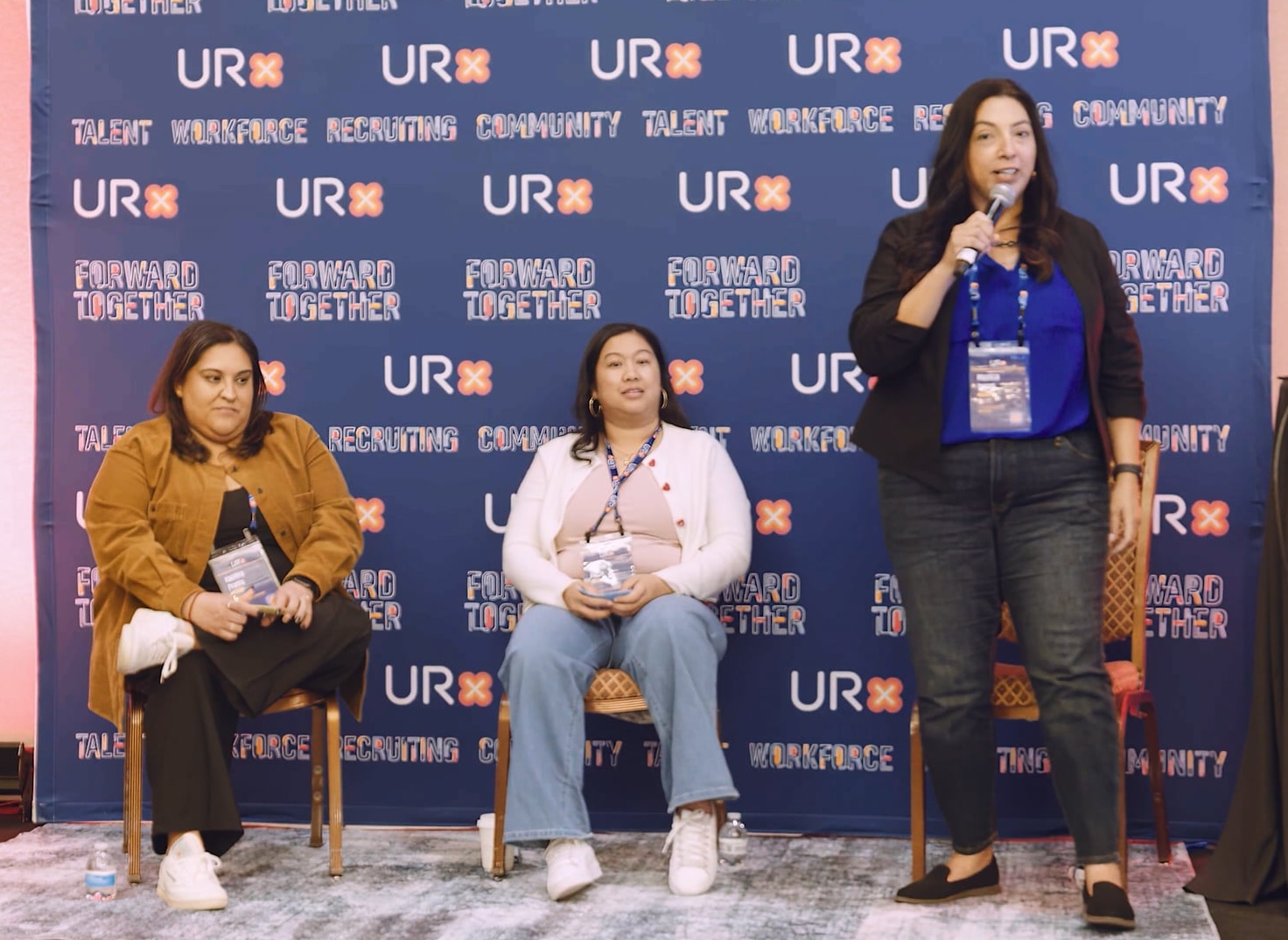
From URx10, join CrowdStrike’s Emerging Talent team to learn the frameworks and key ingredients for building and managing a global internship program.
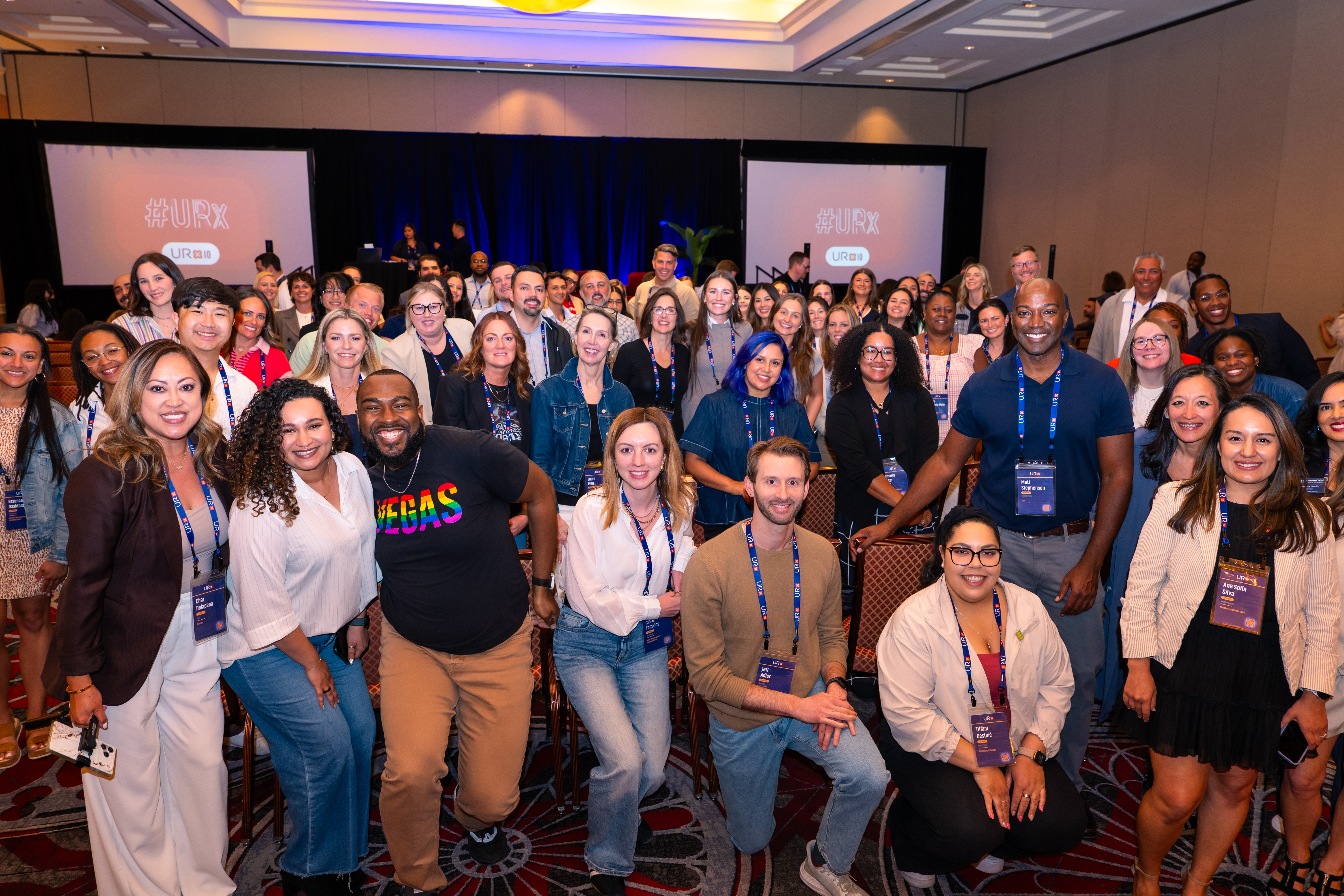
Watch the URx recap and highlight video, plus session recordings from this year’s event—featuring conversations shaping the future of emerging talent recruiting and development.
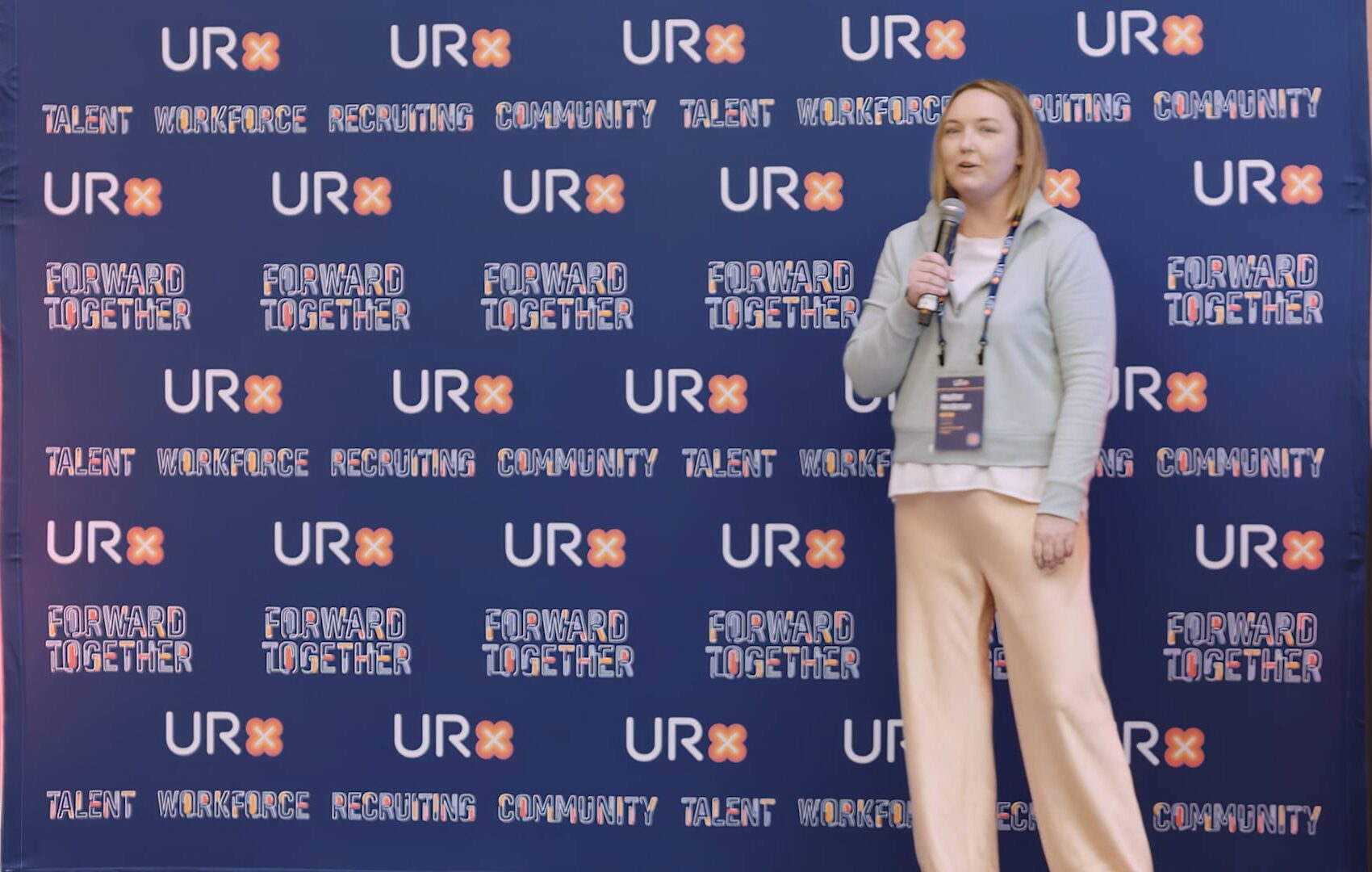
From URx10 a talk on how in the AI era, attention is becoming the most critical talent infrastructure—determining whether early-career programs produce resilience, retention, and sustainable performance or accelerated burnout.
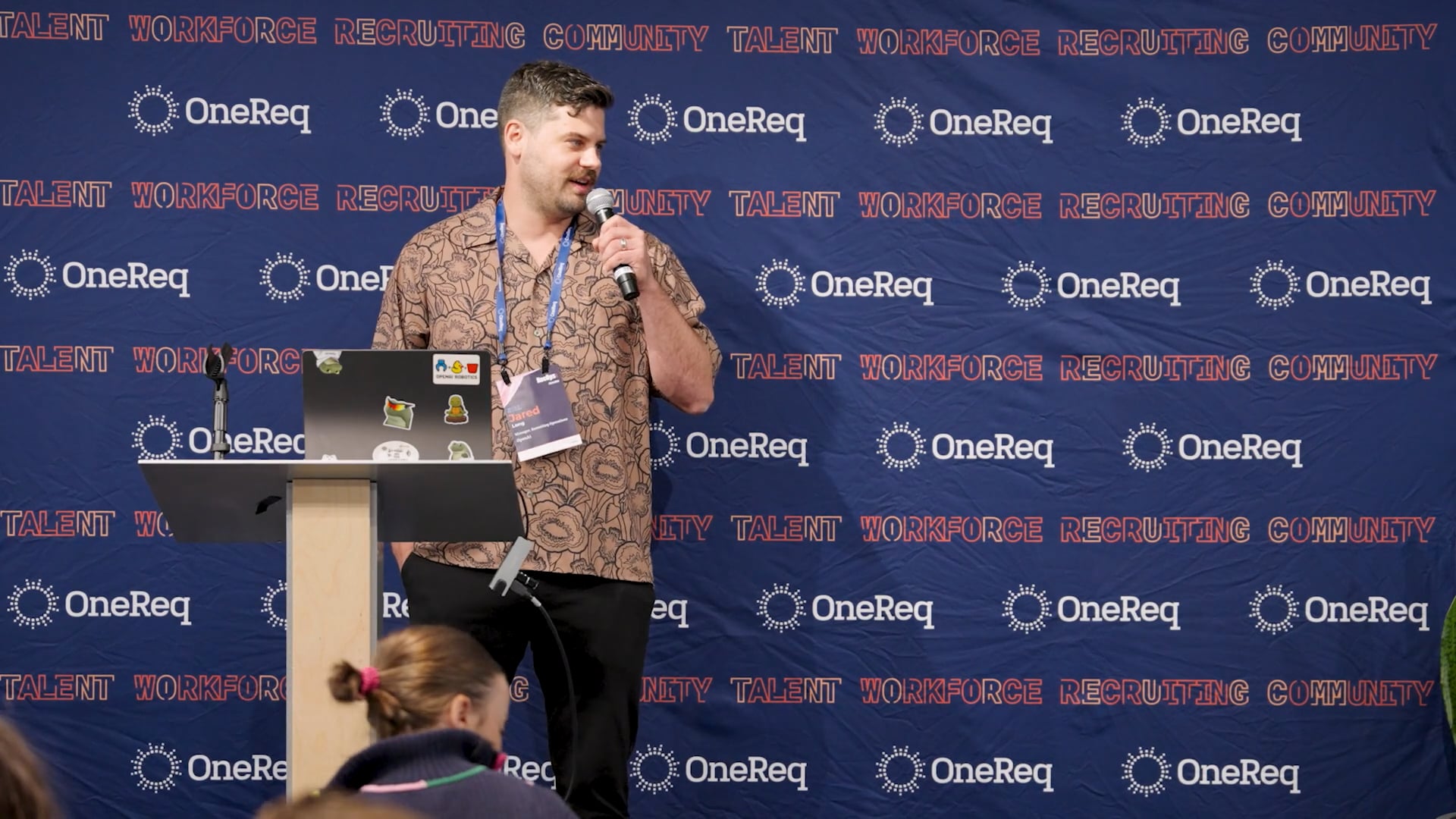
From RecOps Con 2025. Jared Long presents a practical three-phase framework for applying AI in recruiting operations, giving viewers an actionable process to pilot immediately.
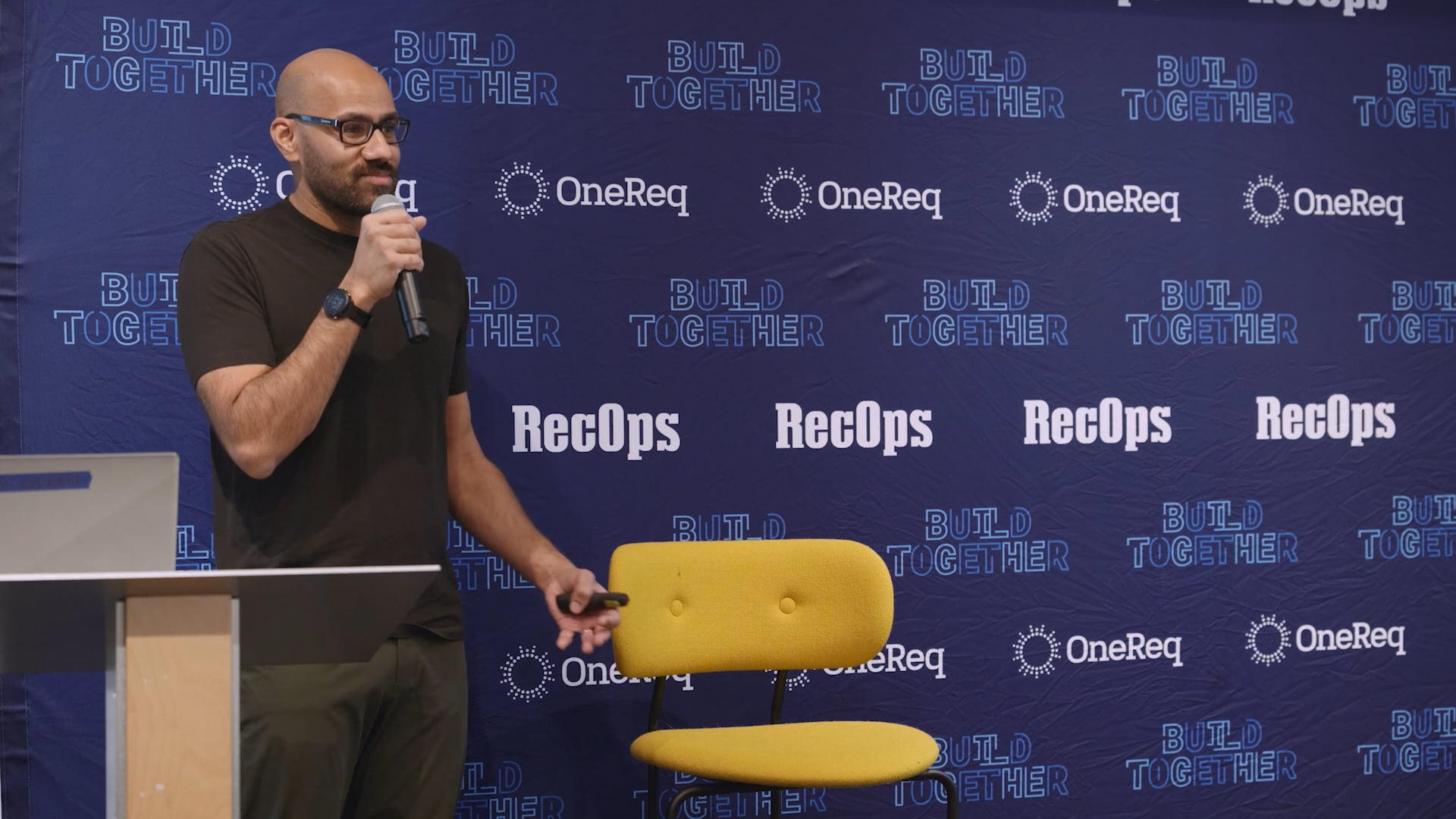
Ali Yousaf shows how to align Talent Acquisition and Recruiting Operations to company priorities and drive measurable business impact.
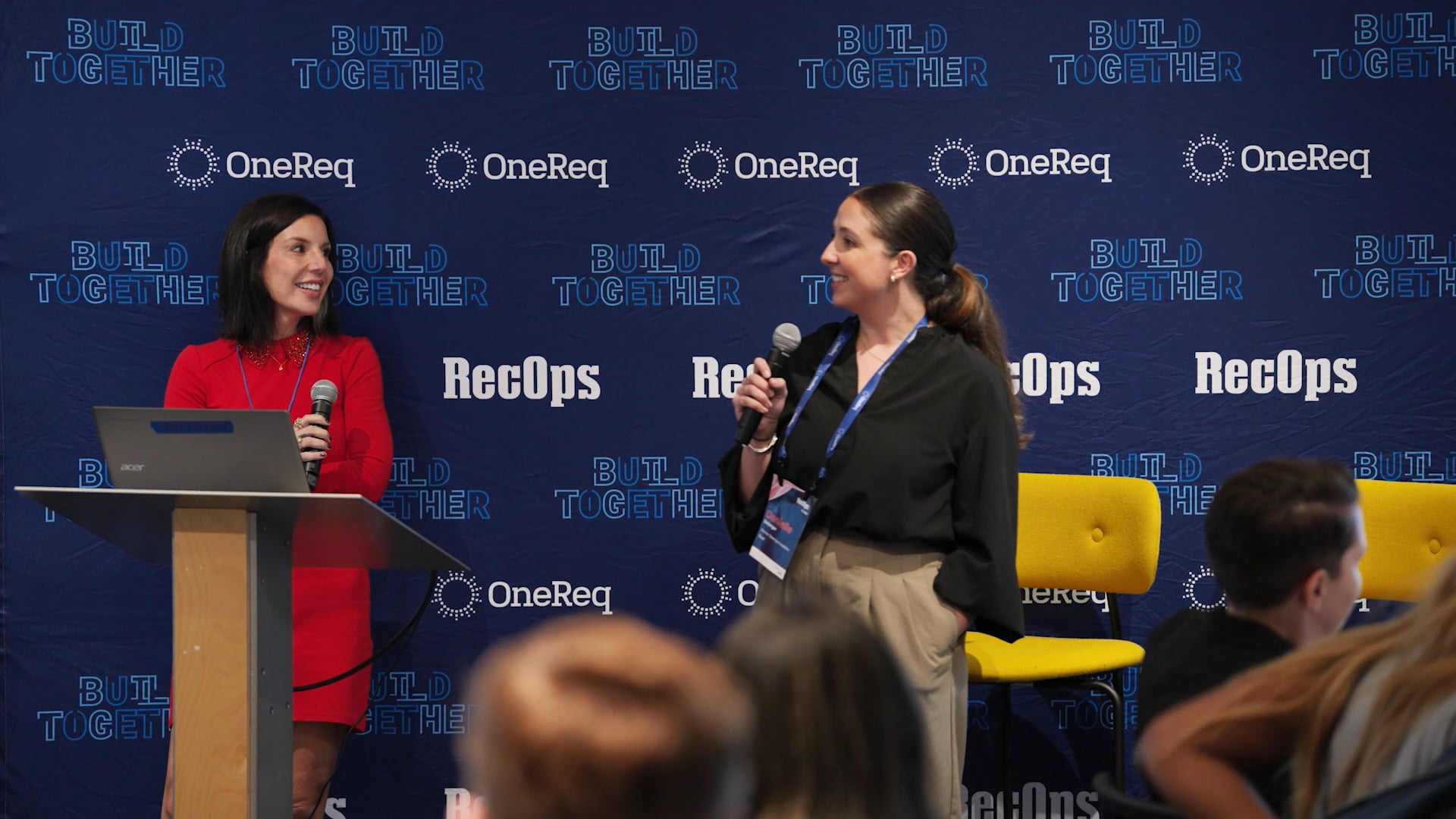
From RecOps Con 2025. Amy Wood and Danielle Belanger explore how AI is reshaping recruiting and offer practical guidance for teams adopting it responsibly.
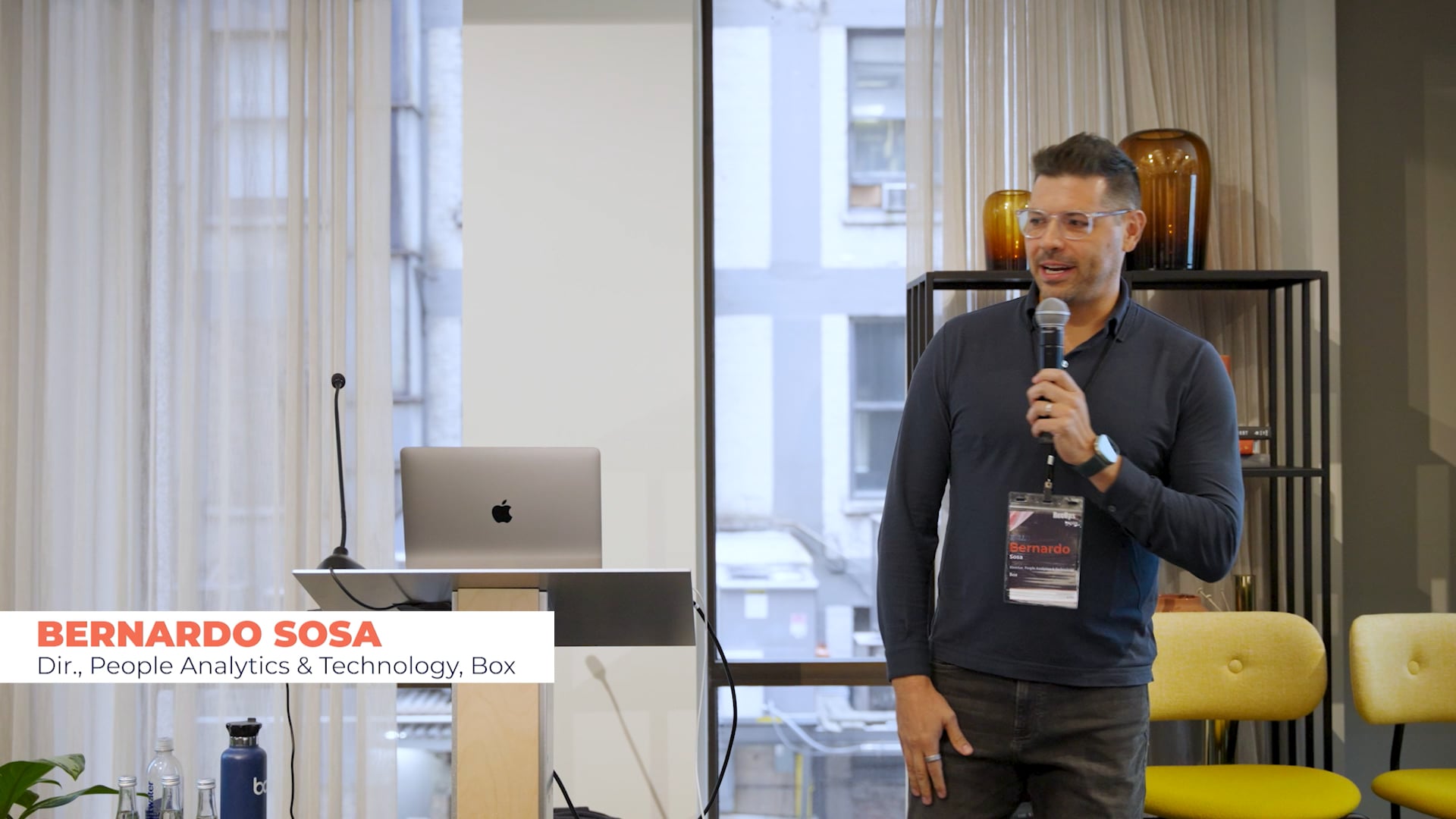
From RecOps Con 2025. Bernardo Sosa of Box explores how evolving processes and team structures are changing the way recruiting teams measure and communicate success.
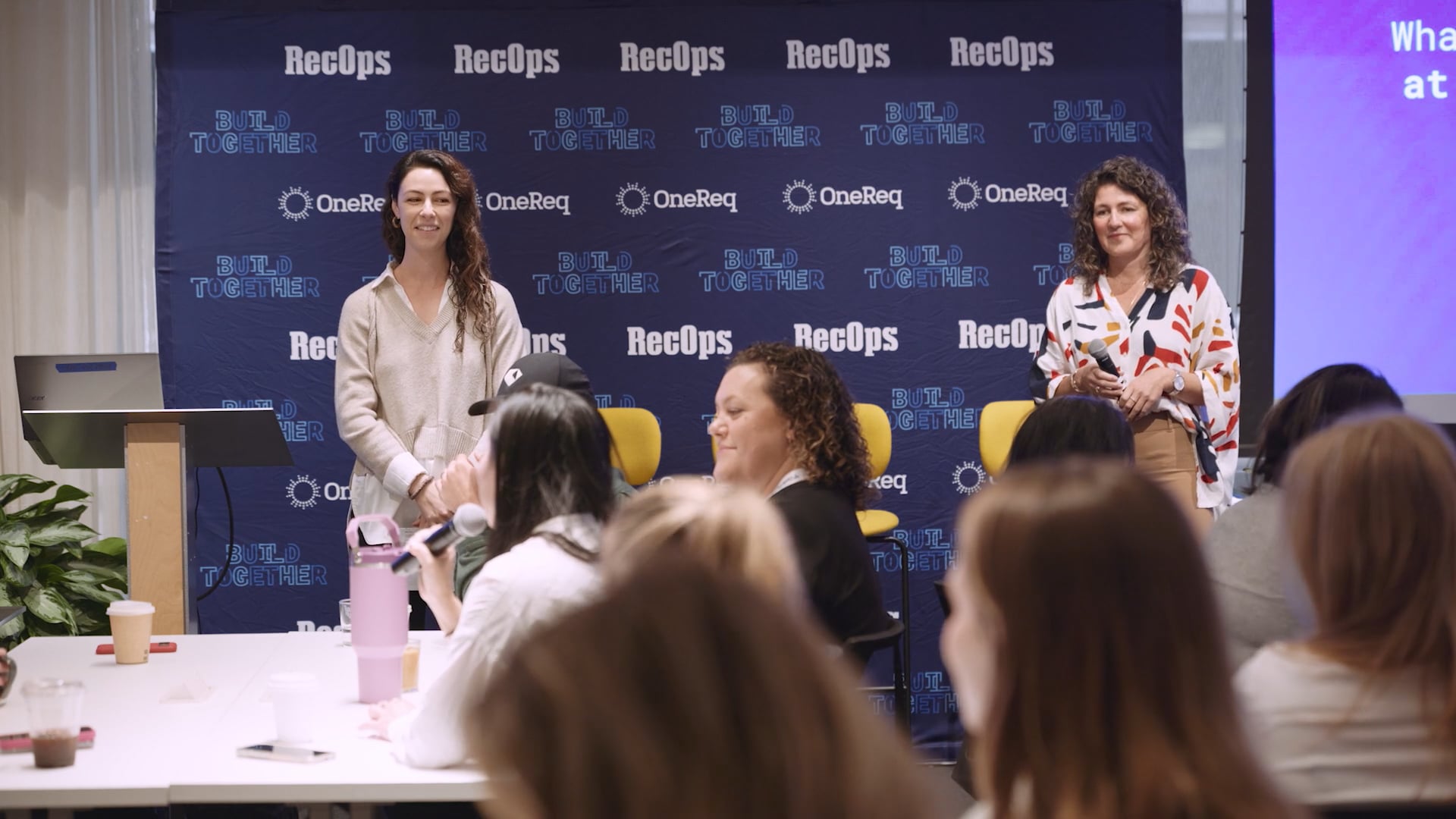
From RecOps Con 2025. Team Level Partners lead an interactive workshop helping RecOps professionals turn their work into powerful stories that communicate impact and influence.
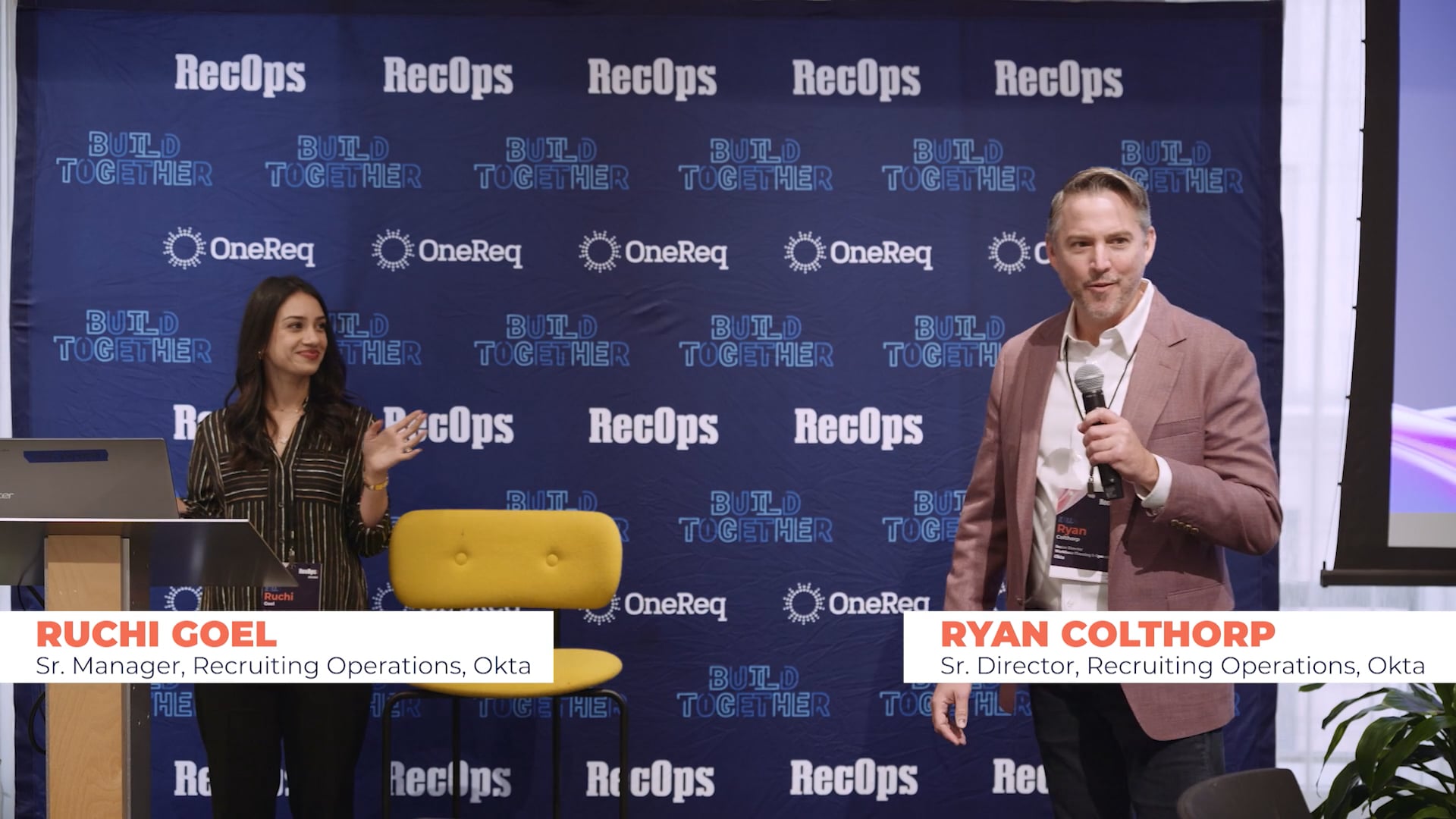
From RecOps Con 2025. Ryan Colthorp and Ruchi Goel of Okta reveal how AI is fueling candidate fraud and share practical ways RecOps teams can detect and prevent it before it impacts hiring.
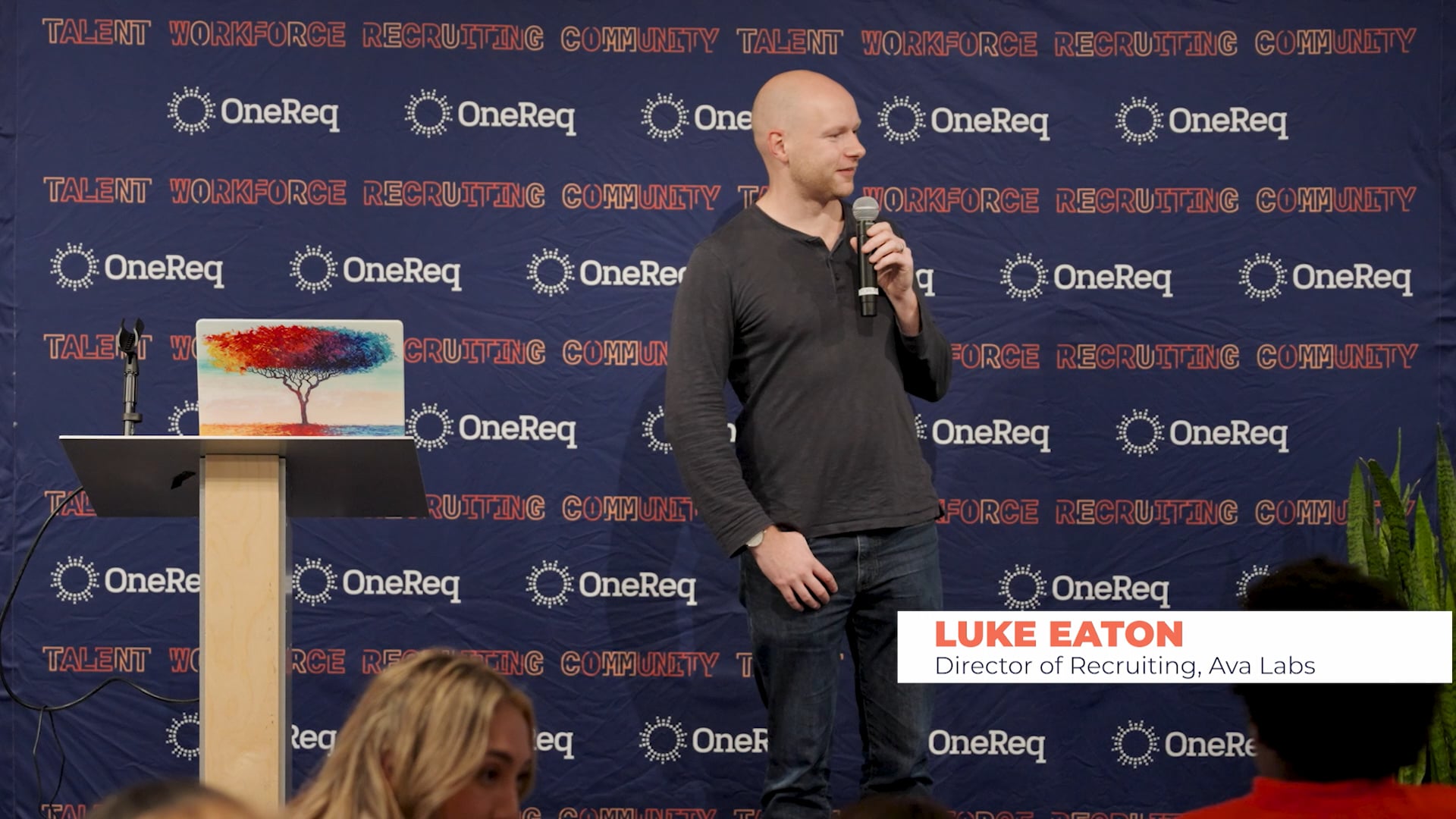
From RecOps Con 2025. Luke Eaton shares practical strategies for turning new systems into real results and navigating the “Desert of Bad Change Management.”
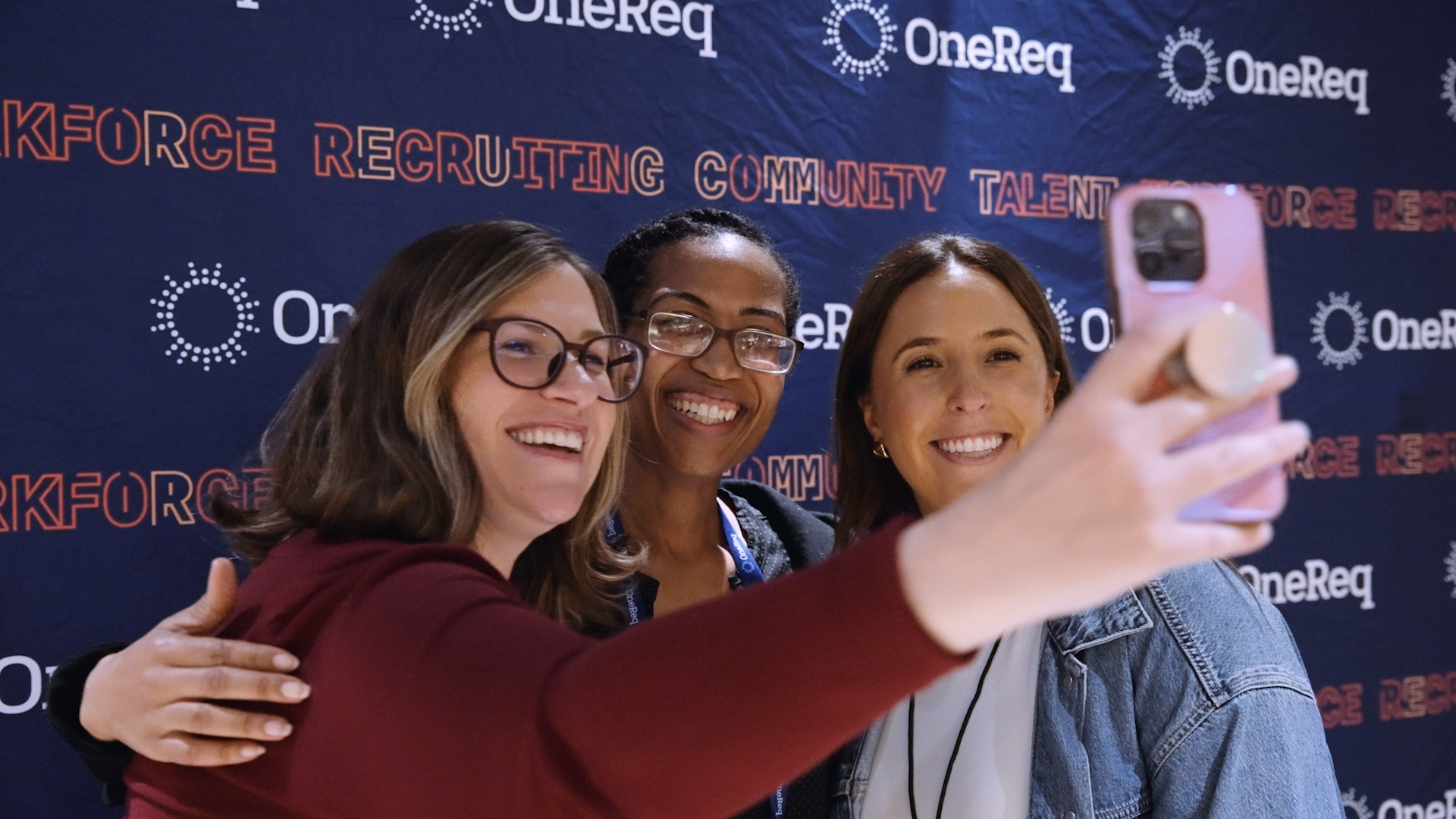
Recap & Session Recordings from RecOps Con 2025. The first conference created specifically for recruiting operations professionals.
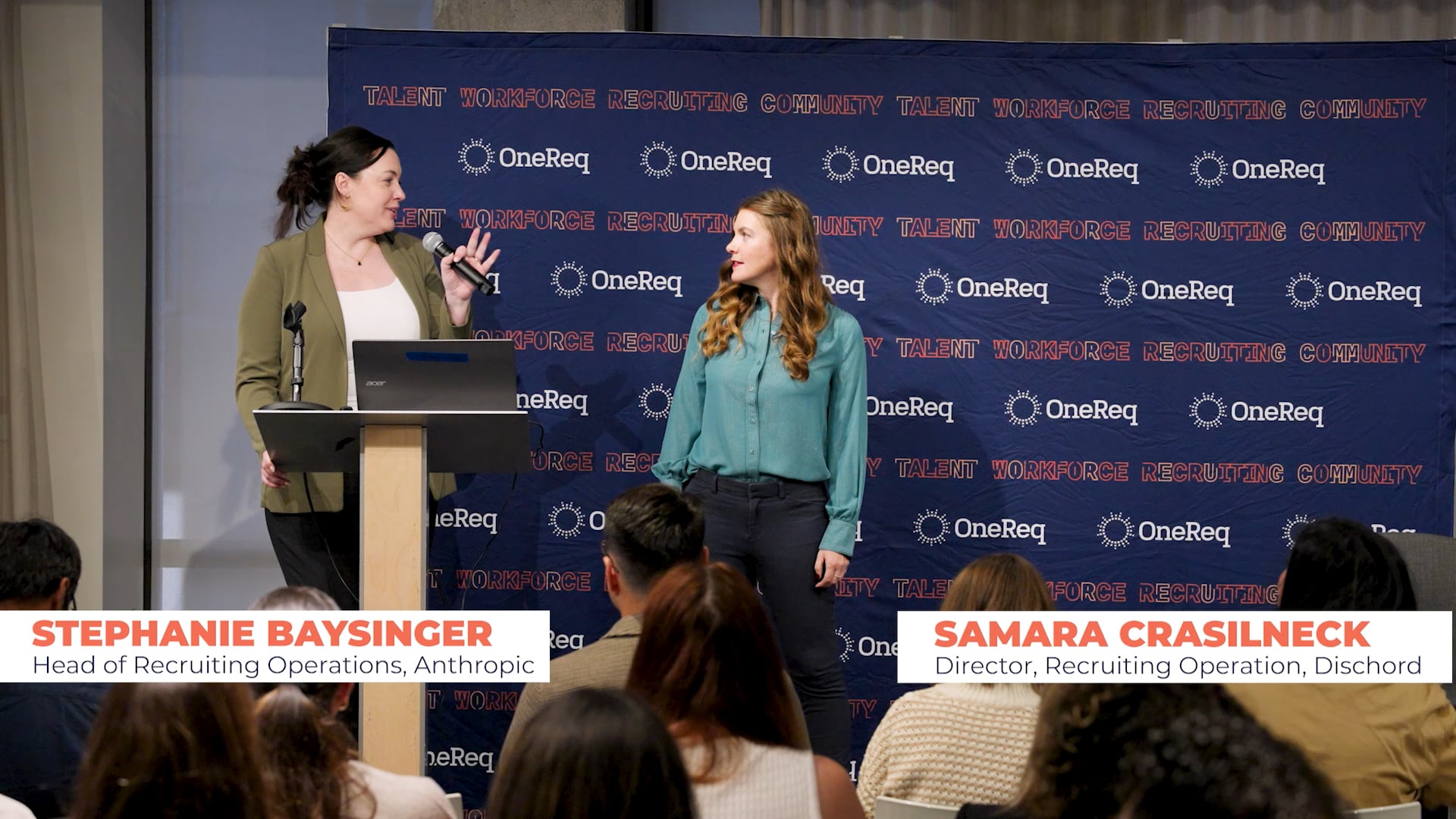
From RecOps Con 2025. Samara Crasilneck and Stephanie Baysinger explore the executive impact of RecOps, sharing real stories and insights on scaling teams for long-term value.
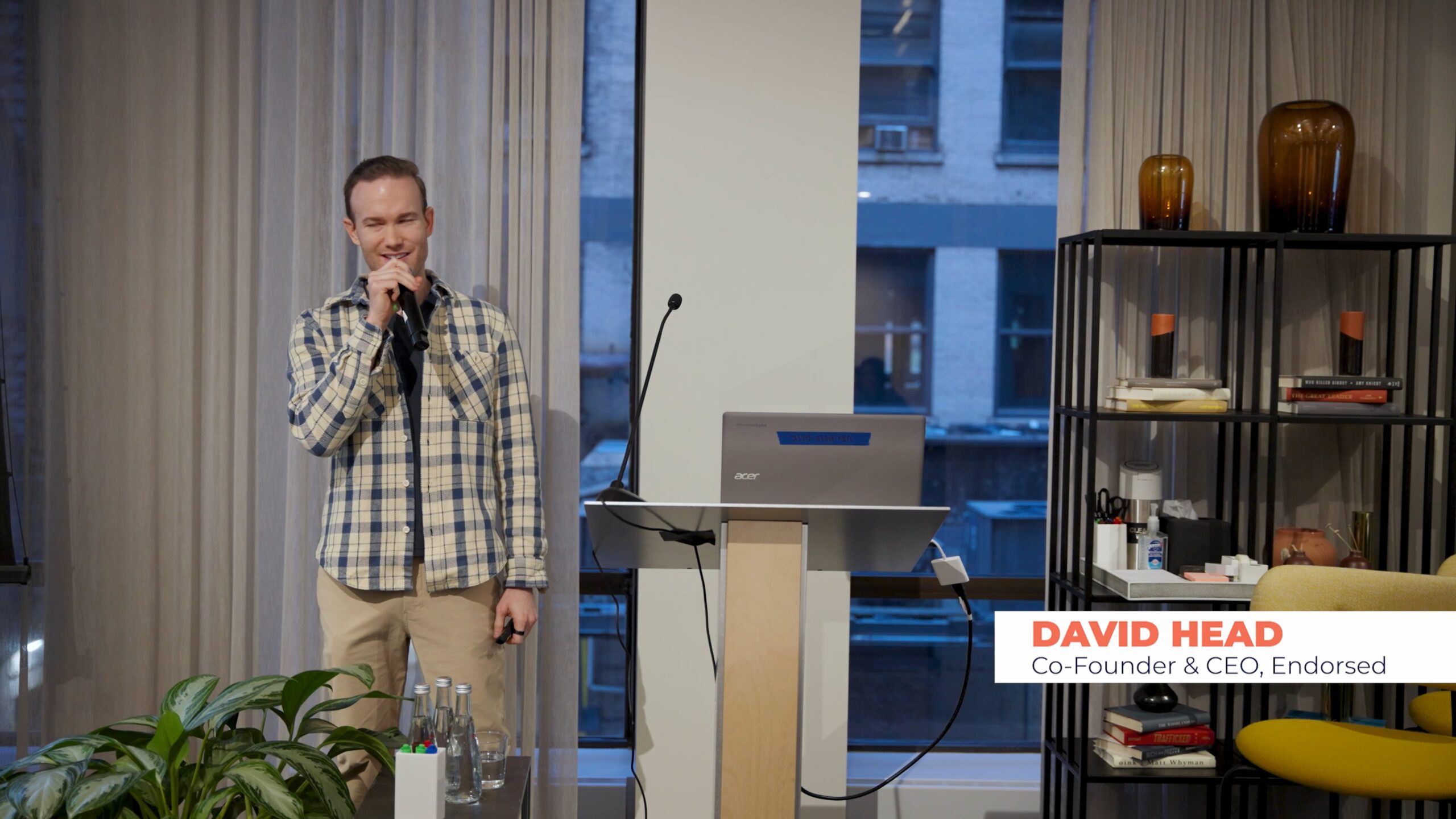
From RecOps Con 2025. David Head reveals how leading companies are combating the rise of candidate fraud in the age of remote work and GenAI and what RecOps teams need to know to safeguard their teams and data.
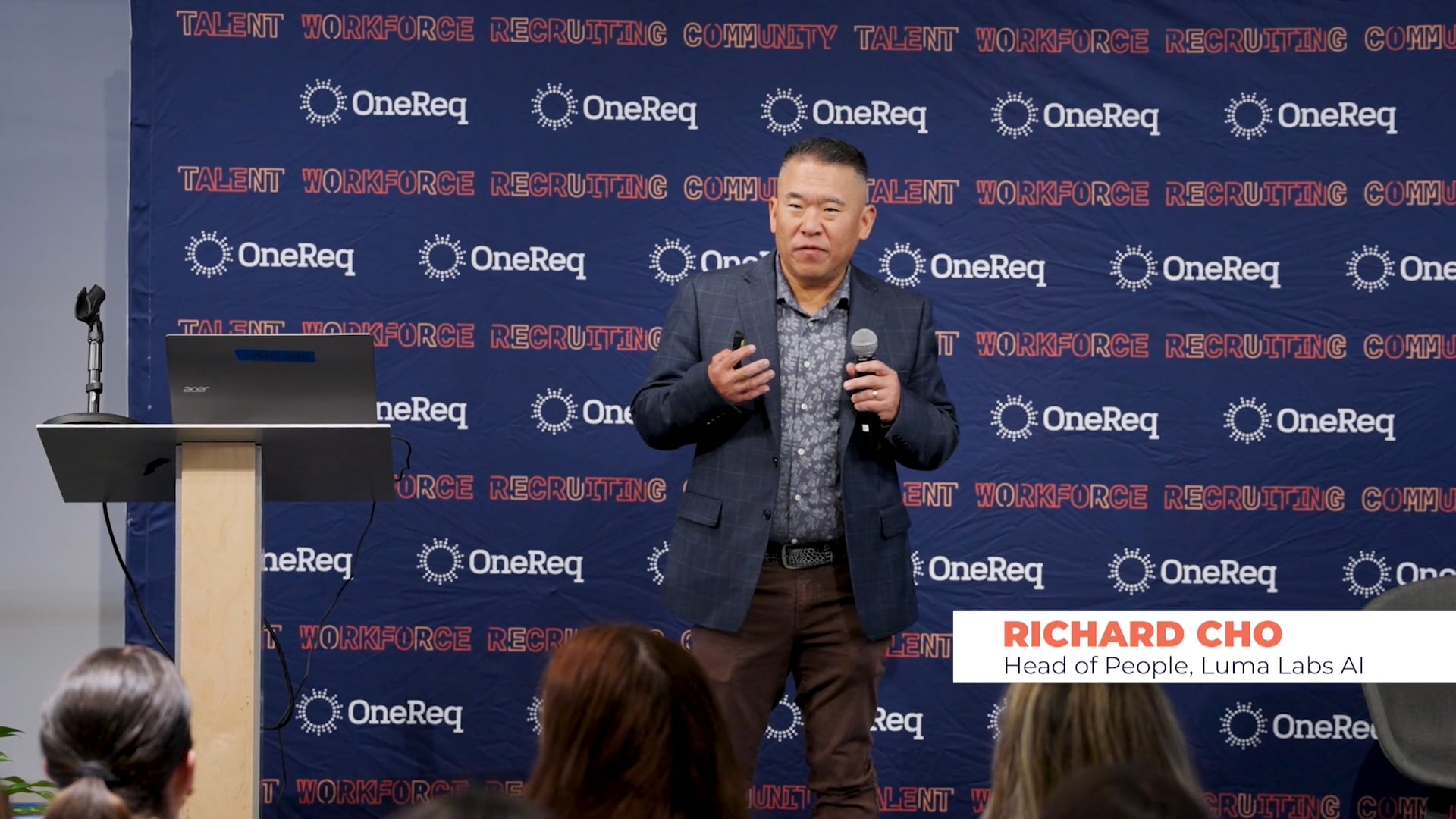
From RecOps Con 2025. Richard Cho explores how AI is reshaping recruiting operations — and what RecOps leaders can do to stay relevant, resilient, and ahead of the curve.
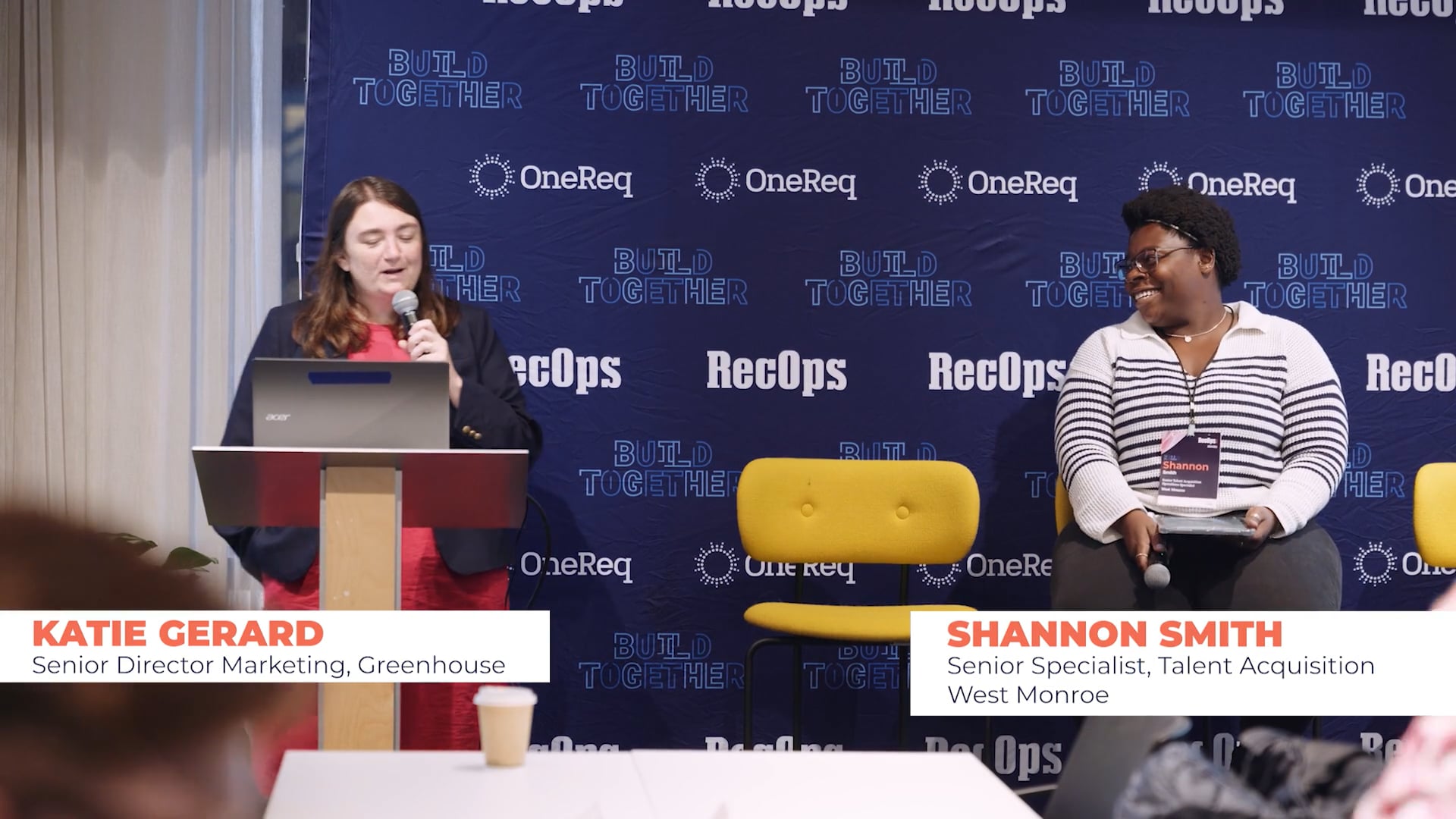
From RecOps Con 2025. Katie Gerard shares practical ways AI helps streamline sourcing, improve pipeline quality, and maintain human connection—plus a preview of Greenhouse updates that make recruiting simpler.
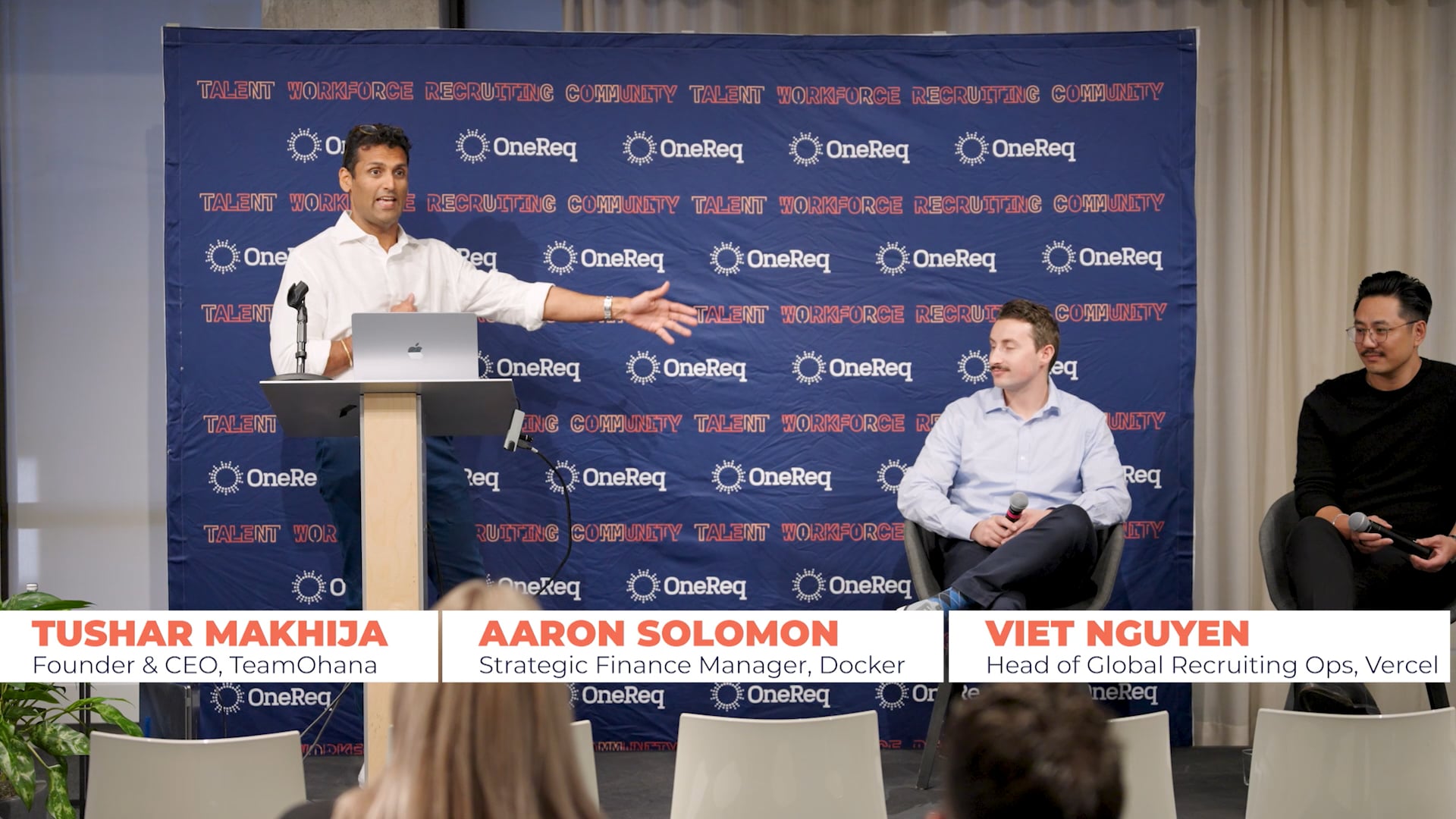
From RecOps Con 2025. Tushar Makhija, Viet Nguyen, and Aaron Solomon share practical strategies for stronger collaboration between Recruiting and Finance, helping teams align on headcount and workforce planning.
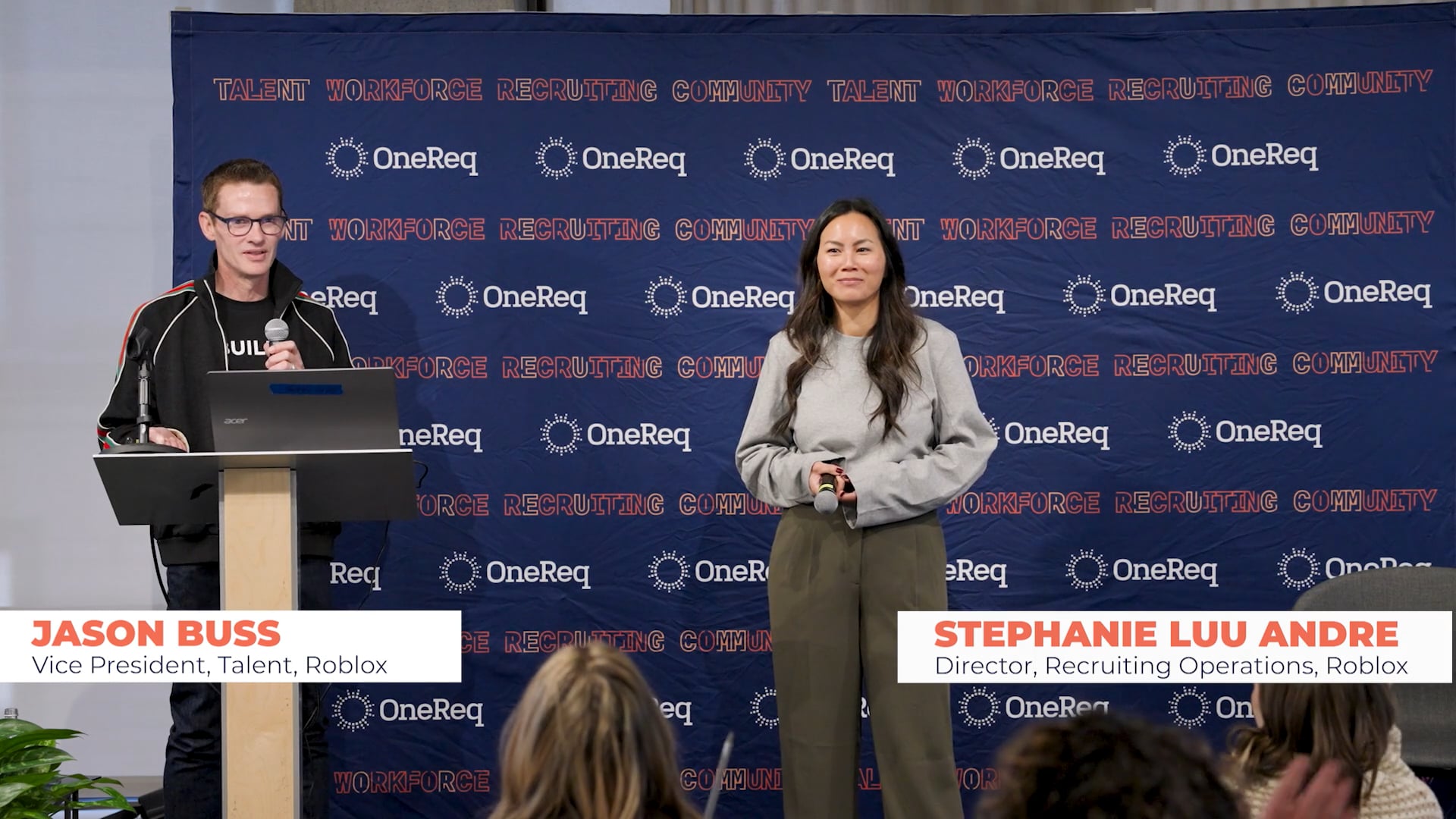
From RecOps Con 2025. Jason Buss and Stephanie Luu Andre of Roblox share how a product-led mindset can transform RecOps into a proactive, user-focused function with scalable, innovative systems.
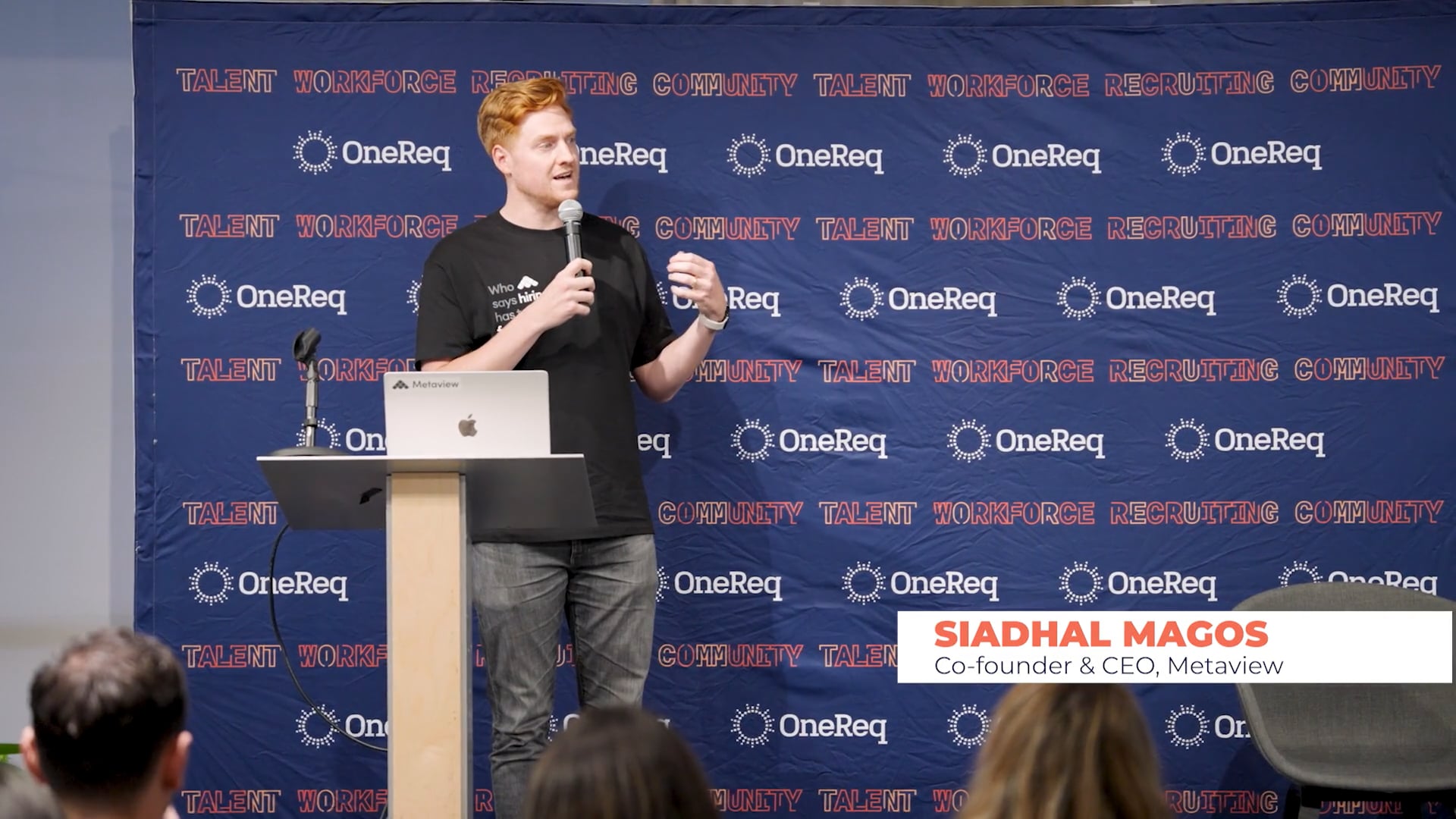
From RecOps Con 2025. Siadhal Magos of Metaview explores how AI agents partnering with recruiters are transforming hiring, offering practical strategies for alignment, evaluation, and scalable decision-making.
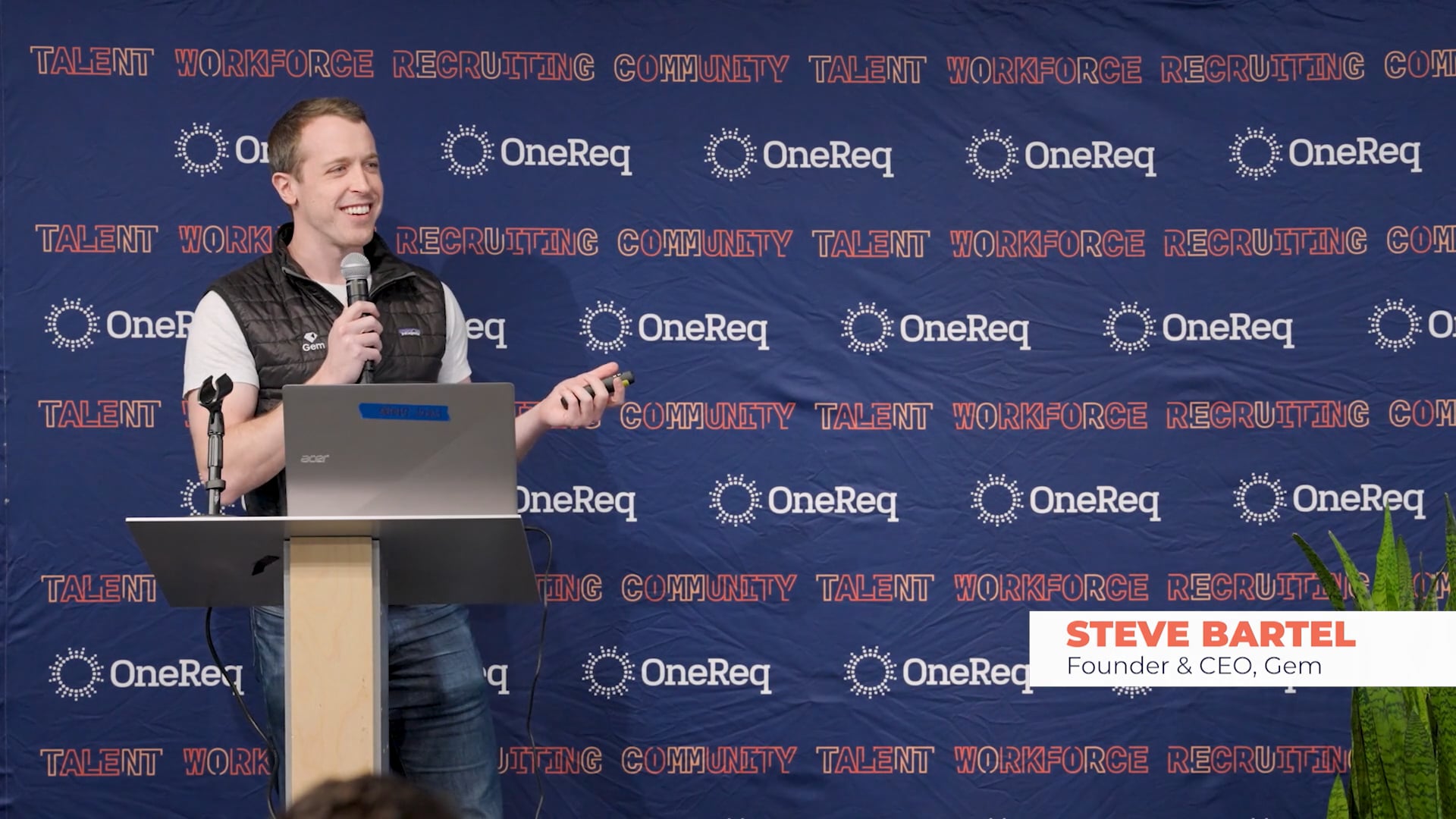
From RecOps Con 2025. Steve Bartel of Gem shares a data-driven look at what’s really working in recruiting, drawing on insights from millions of candidates, applications, and hires.
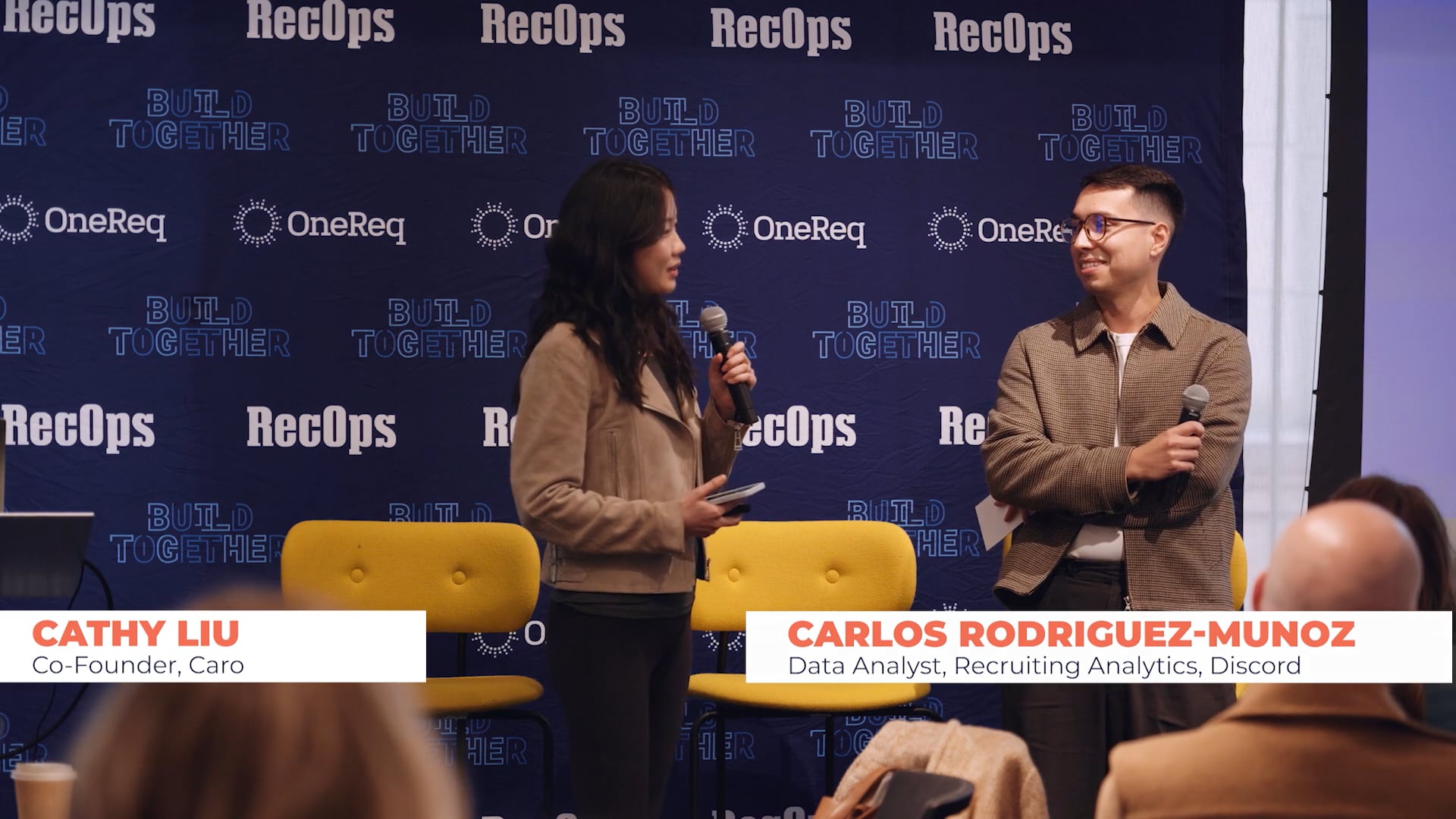
From RecOps Con 2025. Cathy Liu and Carlos Rodriguez-Muñoz break down how to forecast hiring demand, calculate recruiter capacity, and use data to set realistic, achievable hiring goals.